
Alle Teleskope
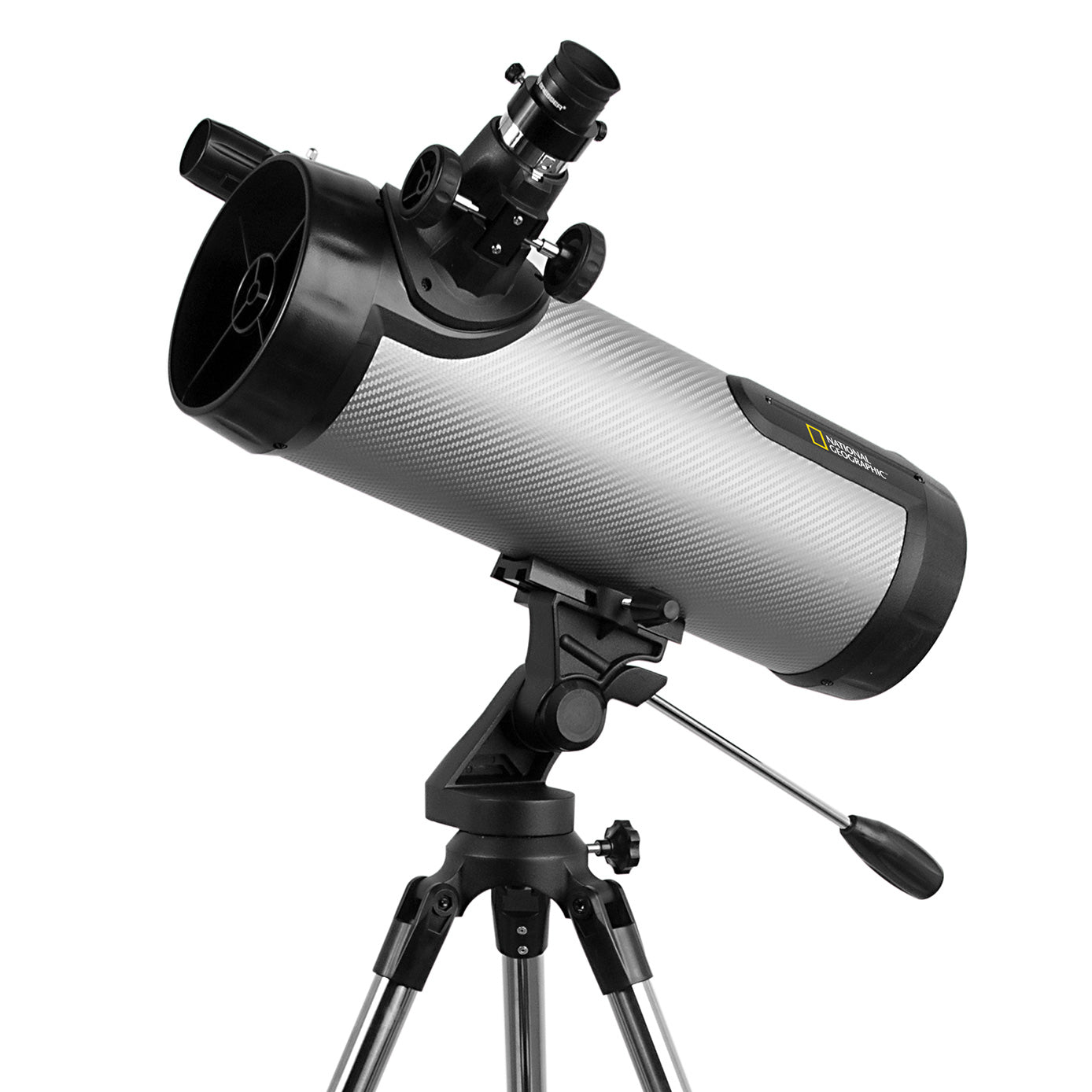
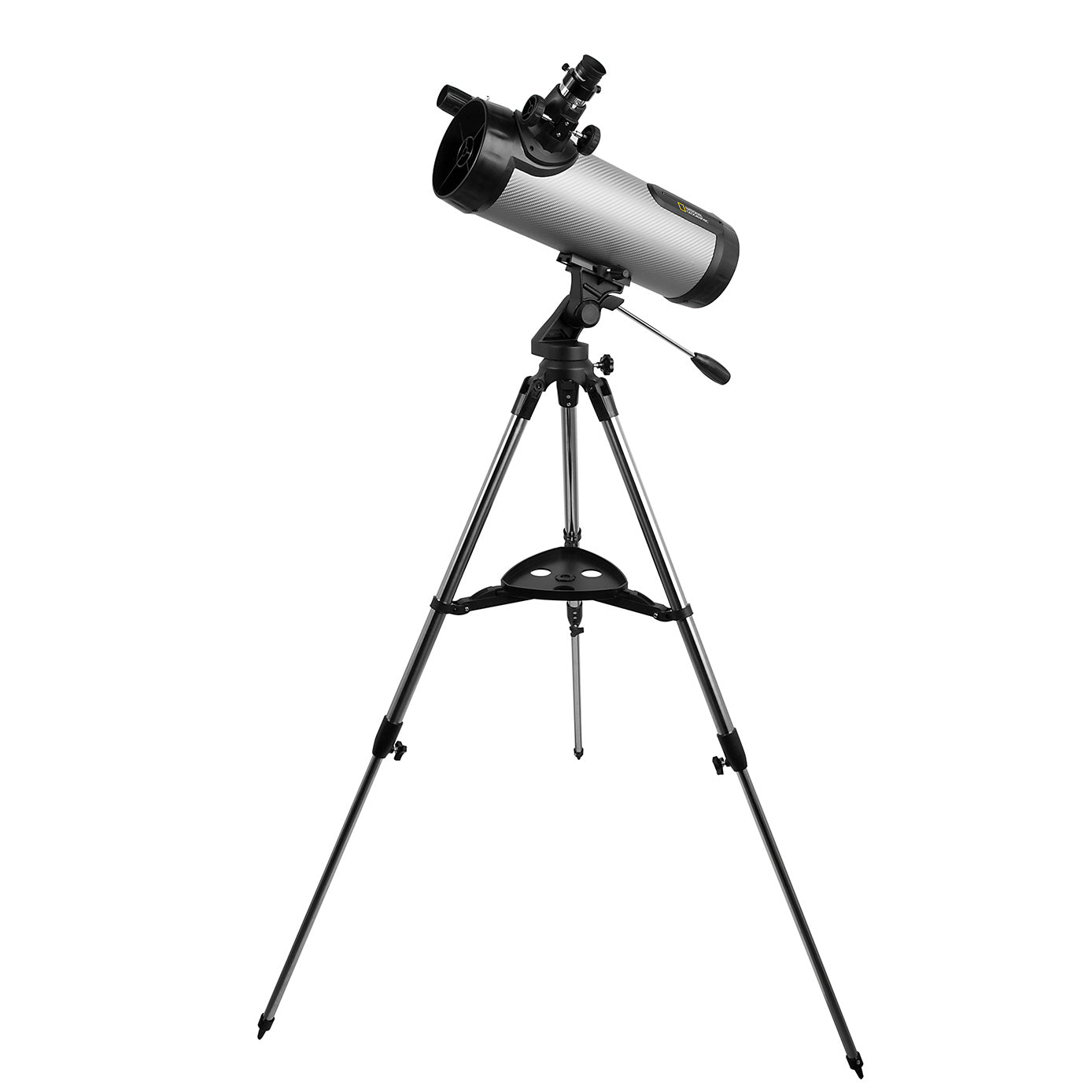
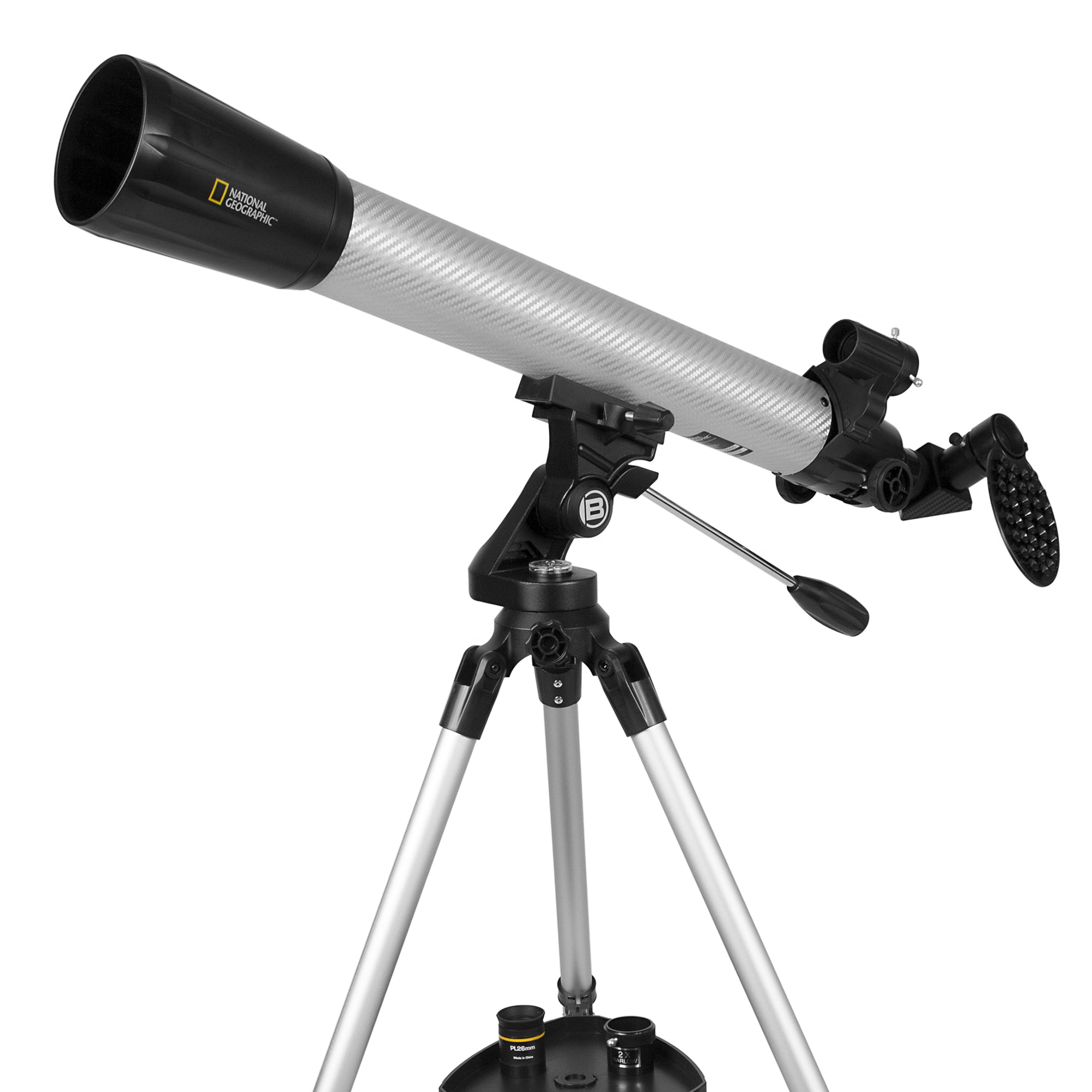
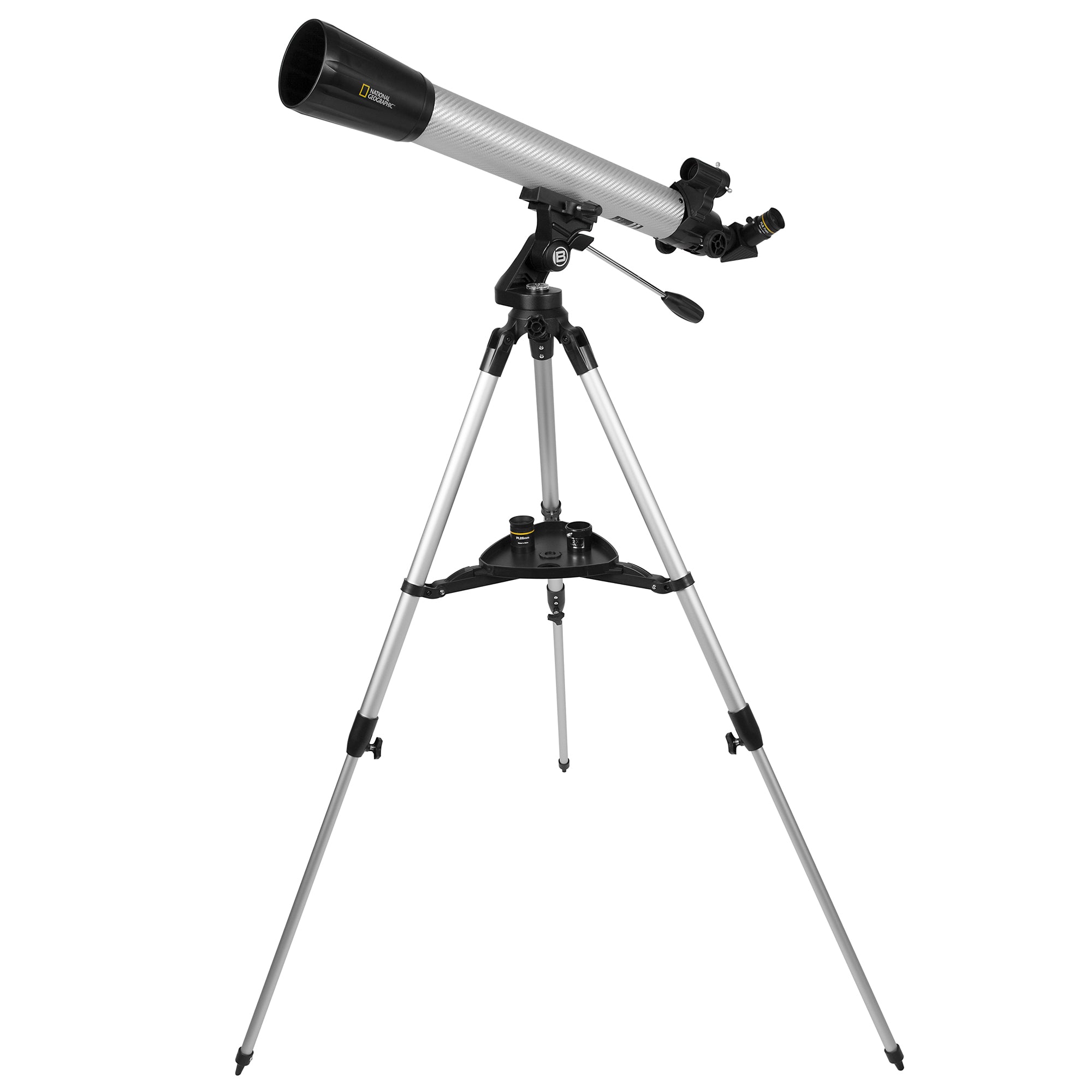
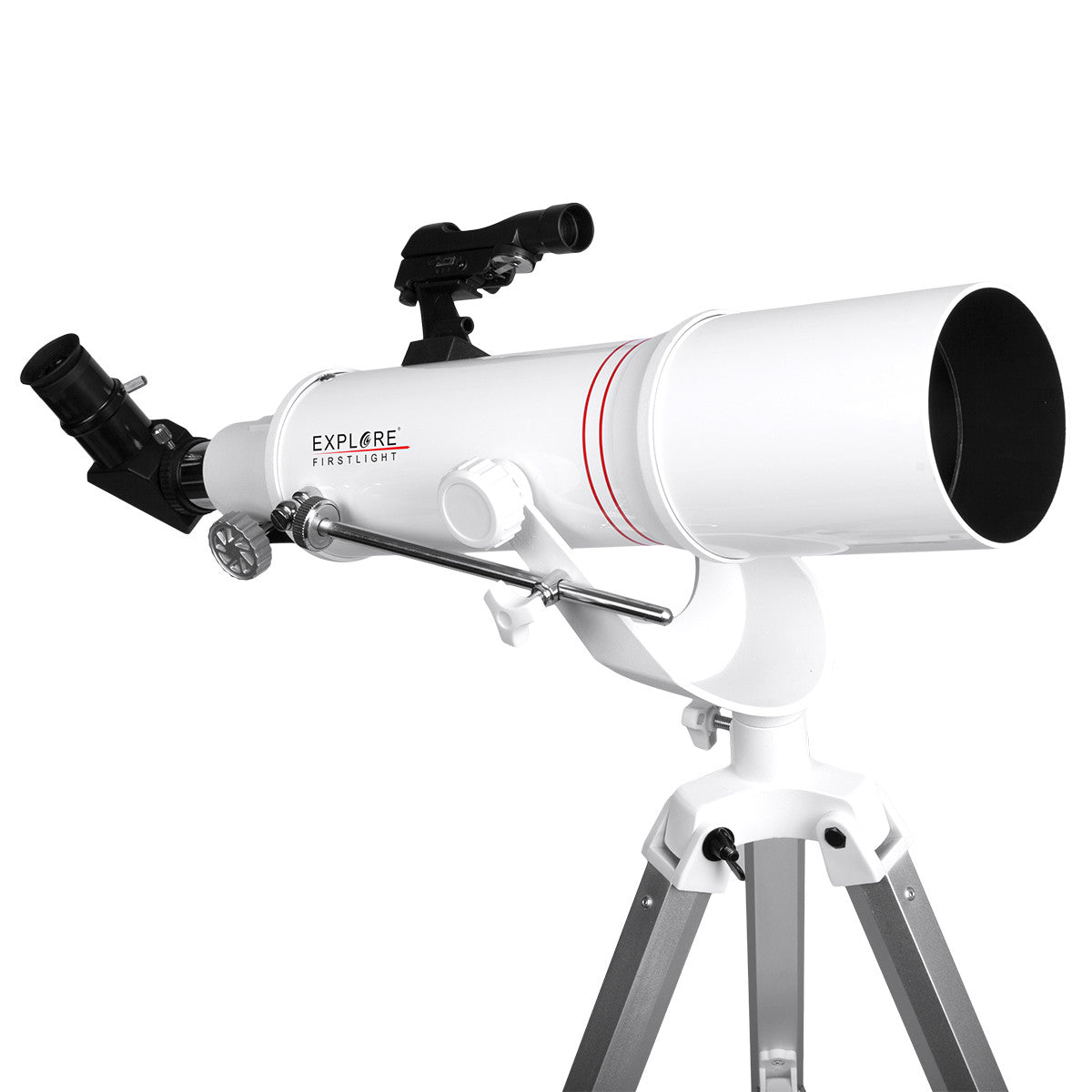
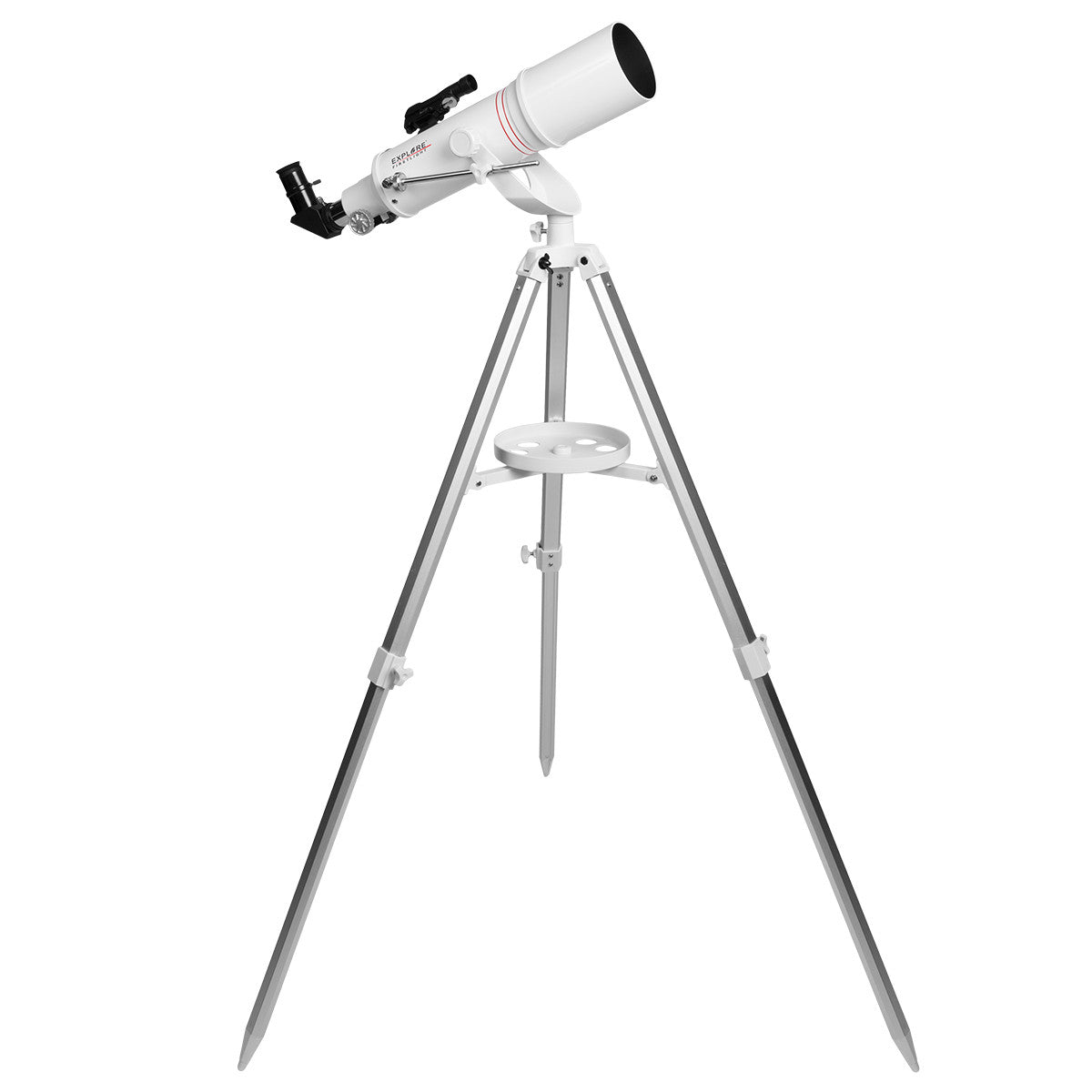
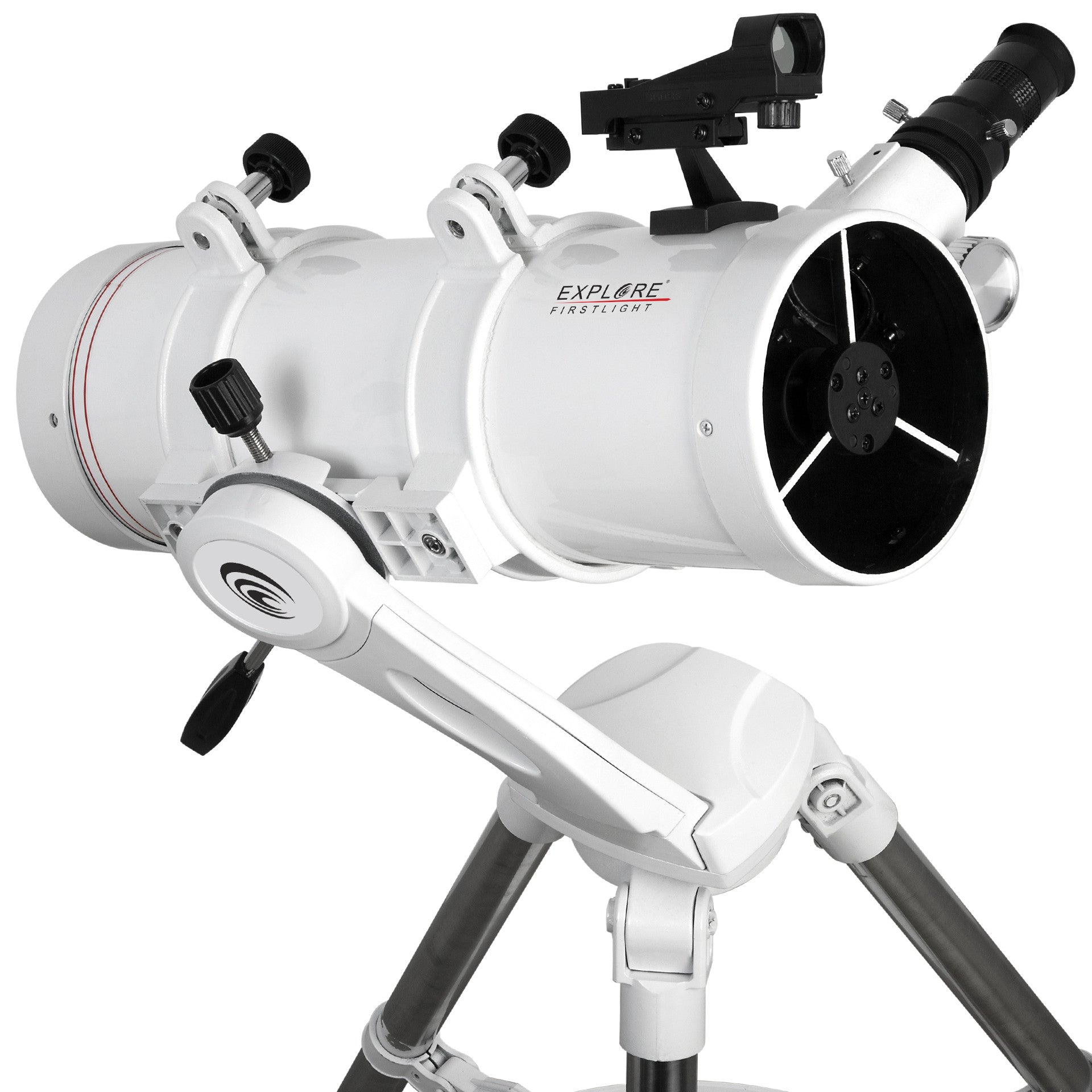
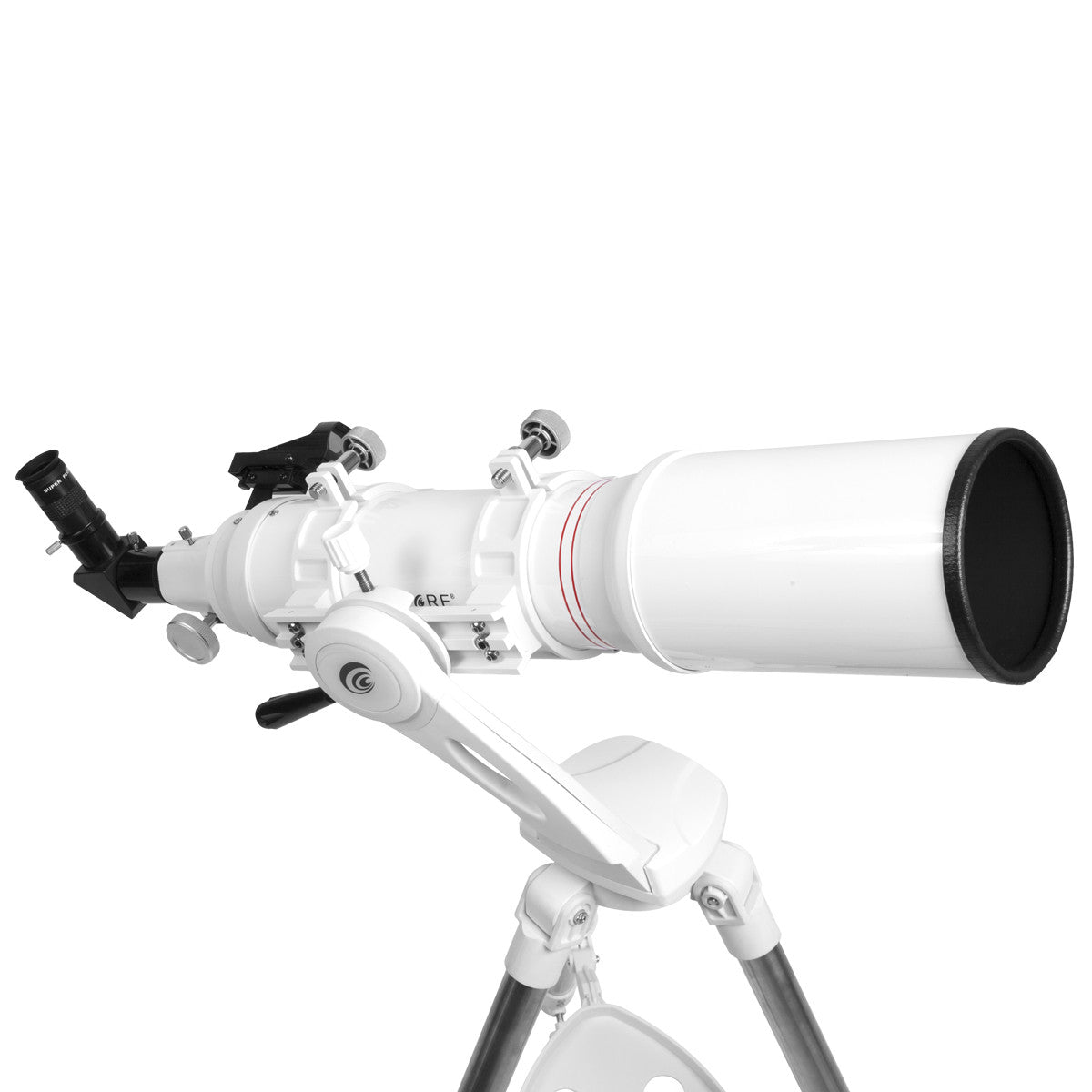
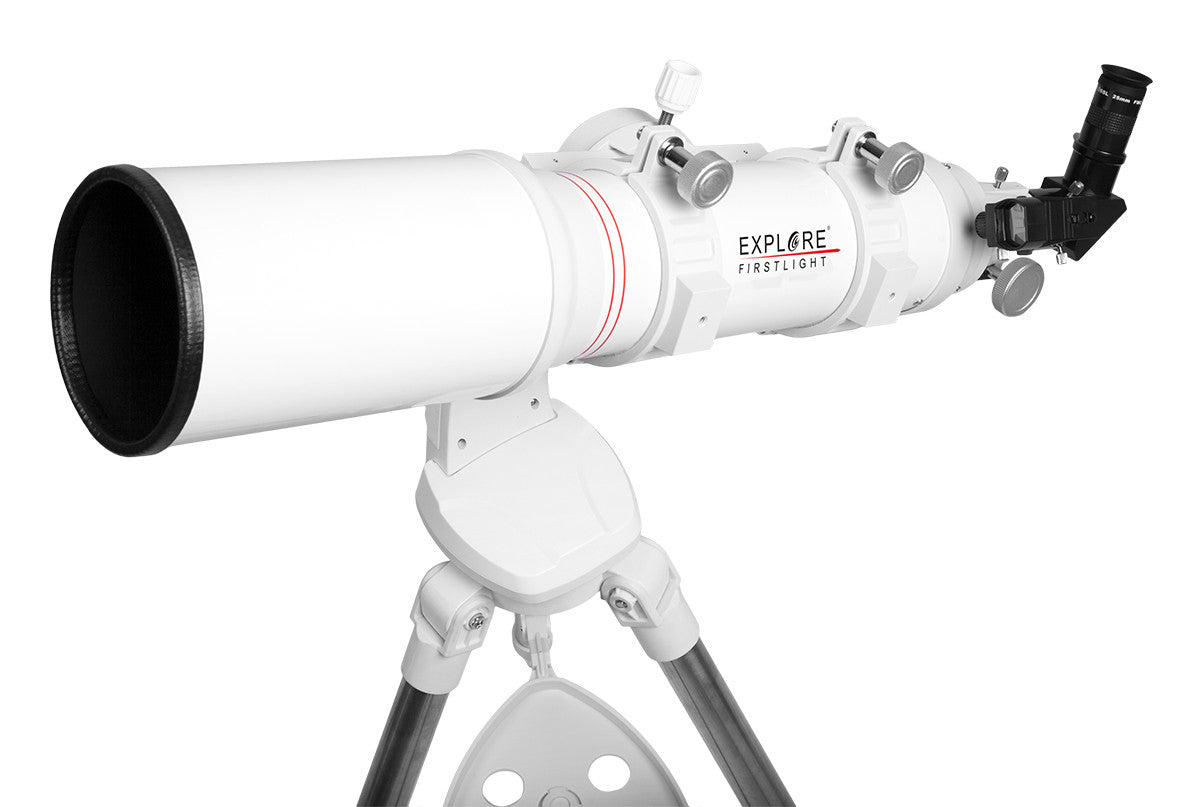
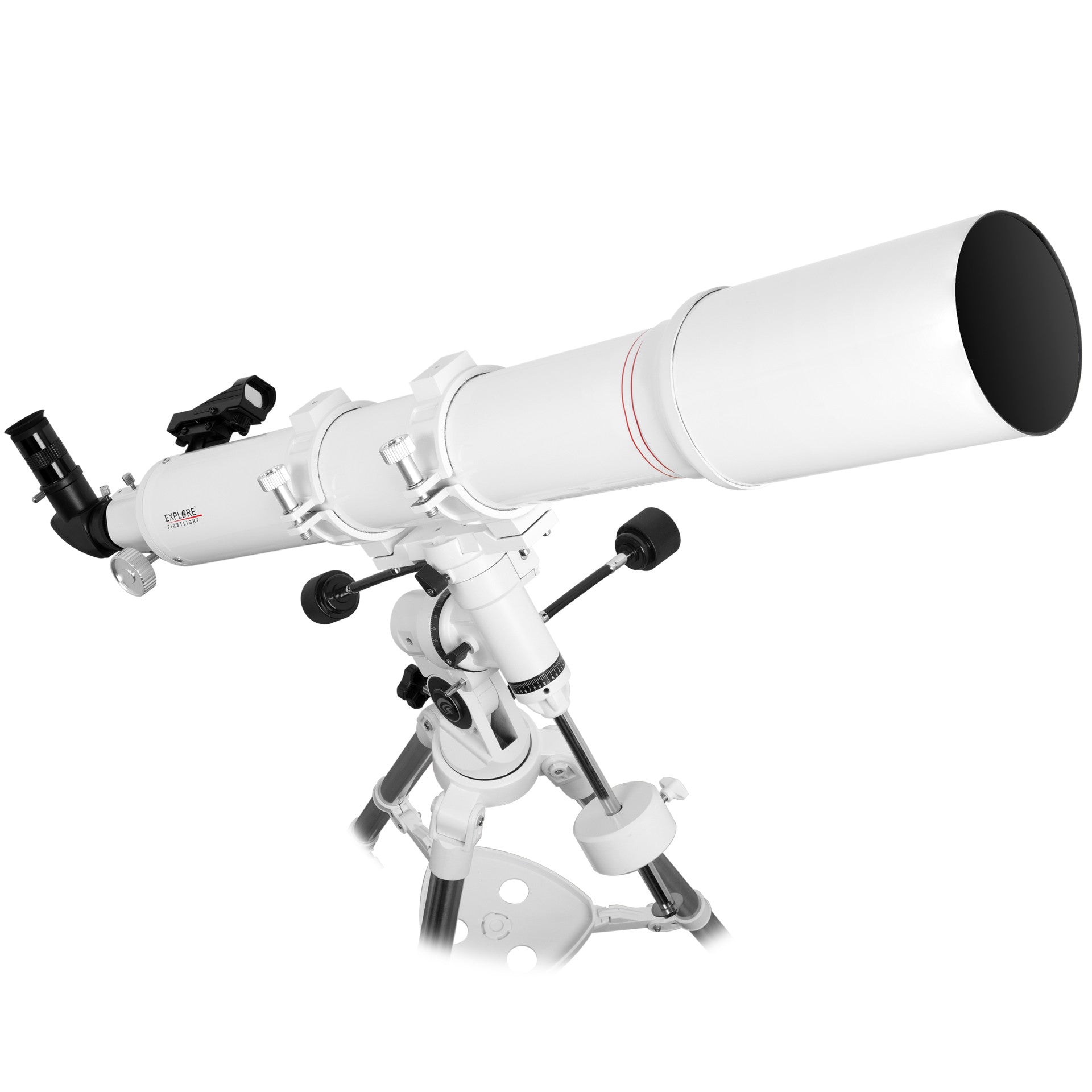
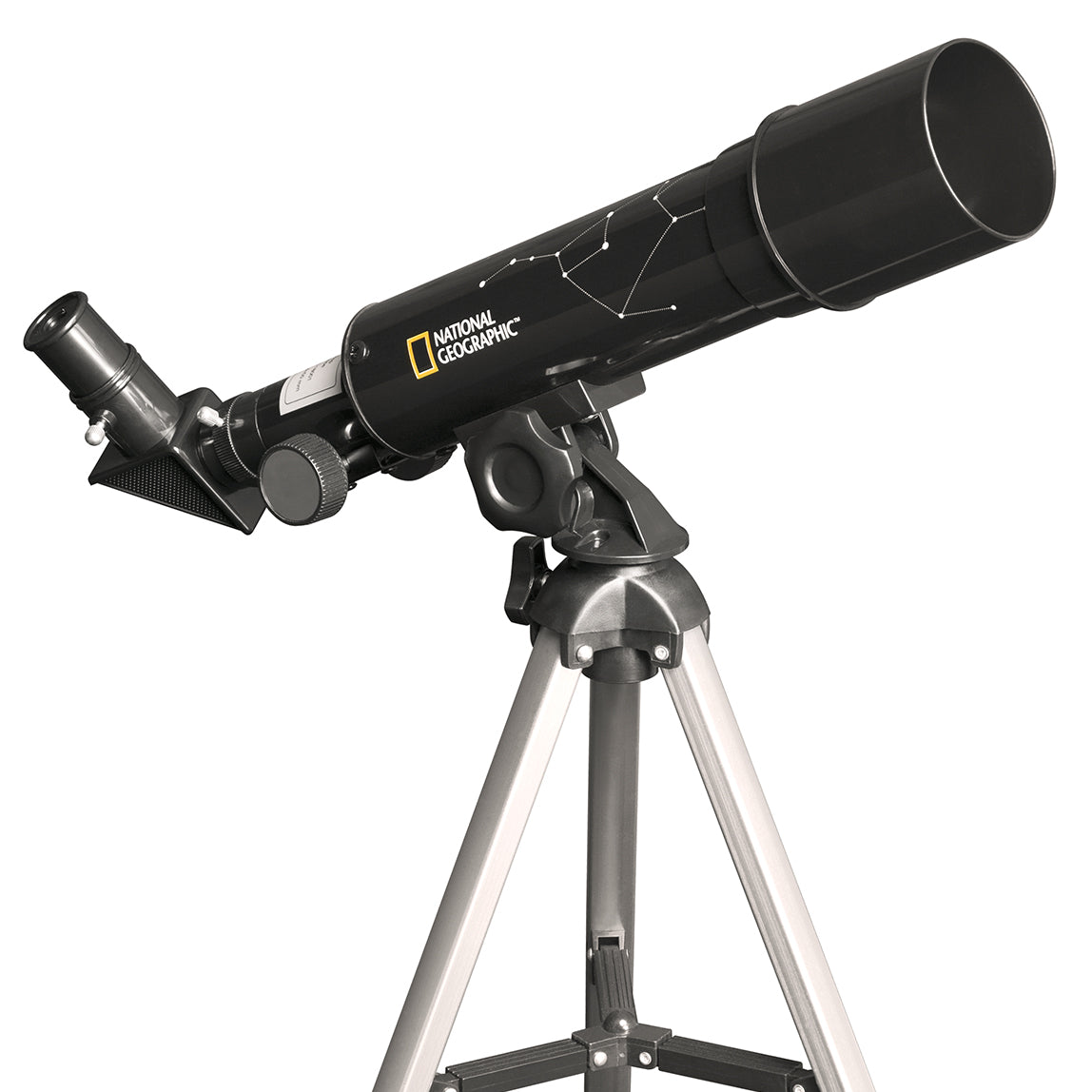
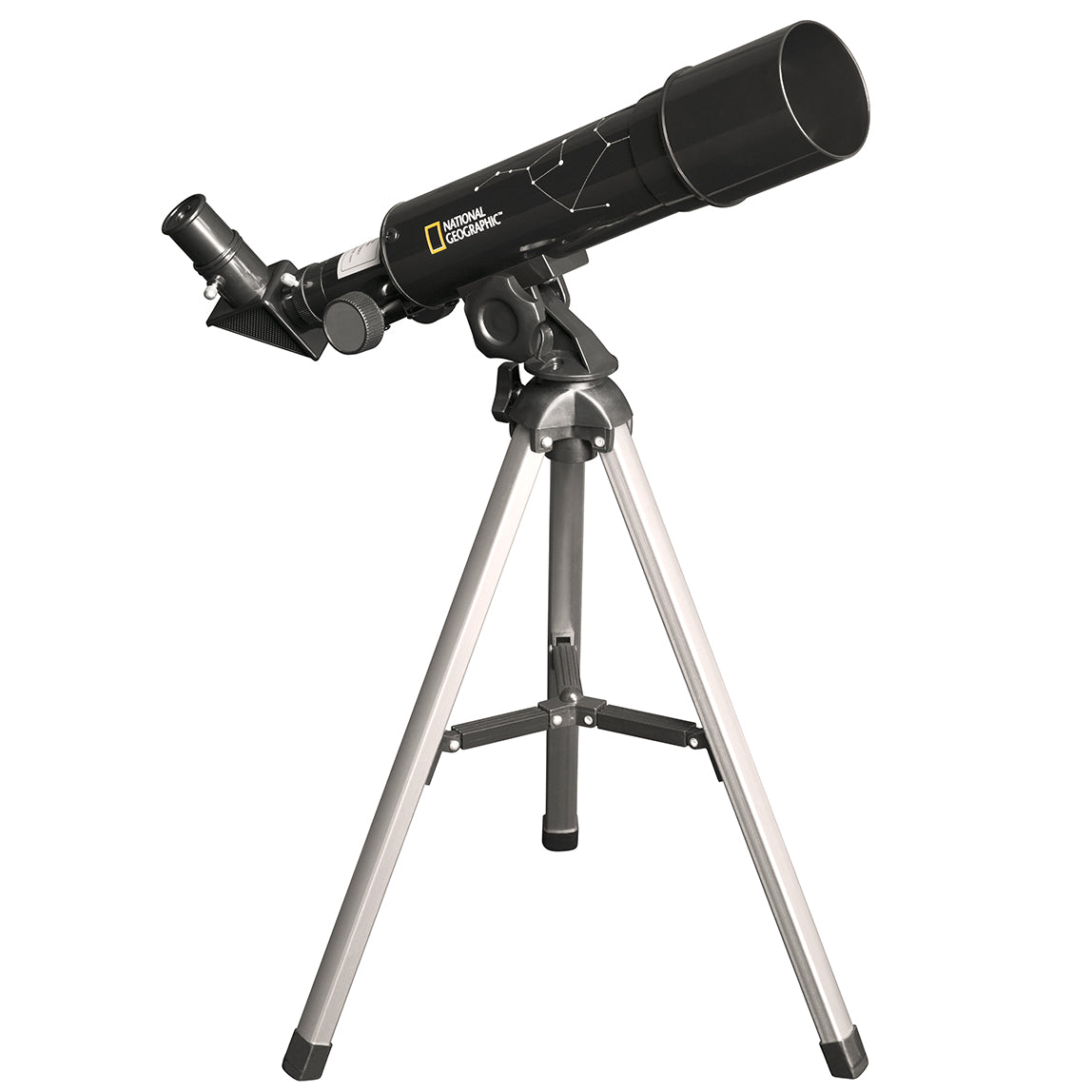
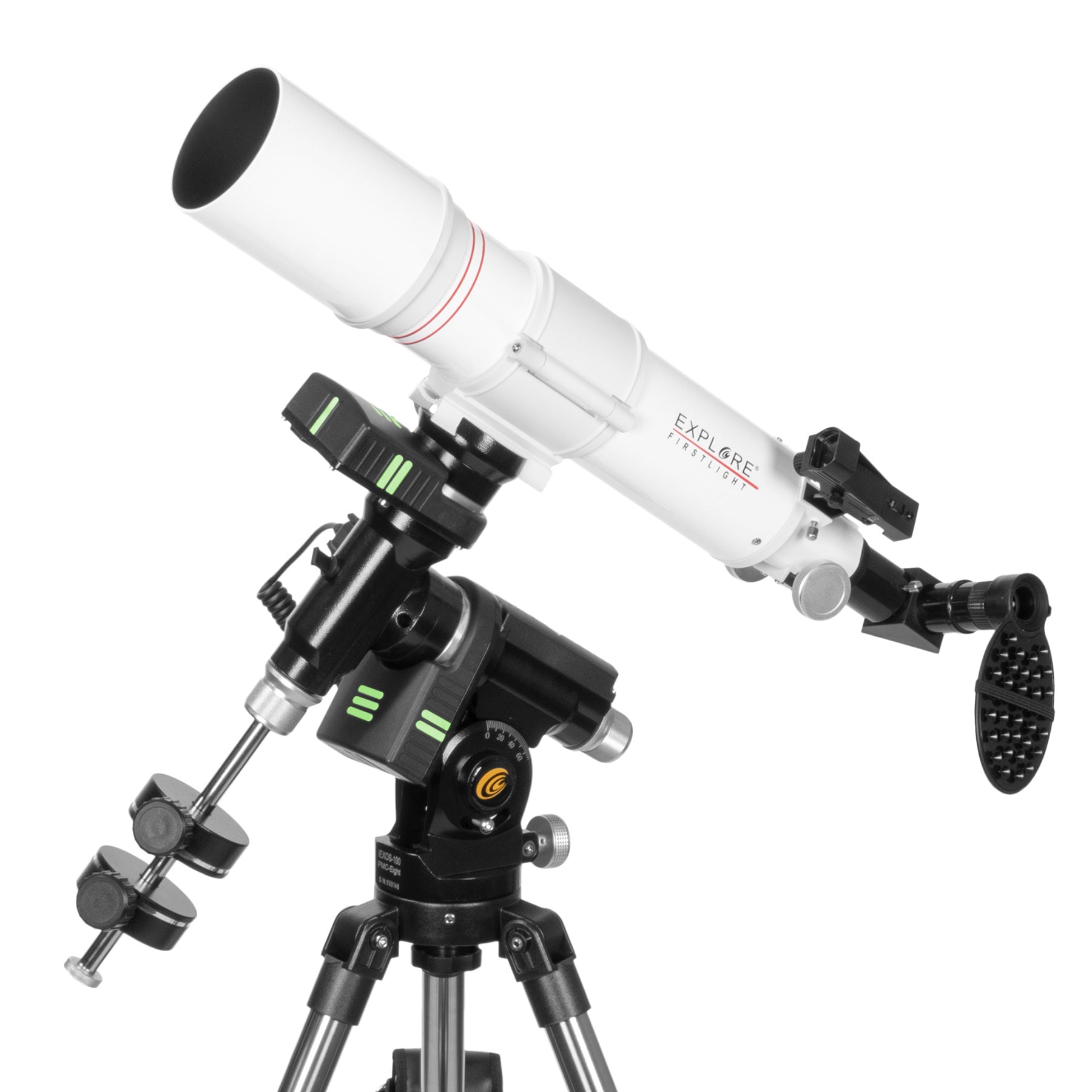
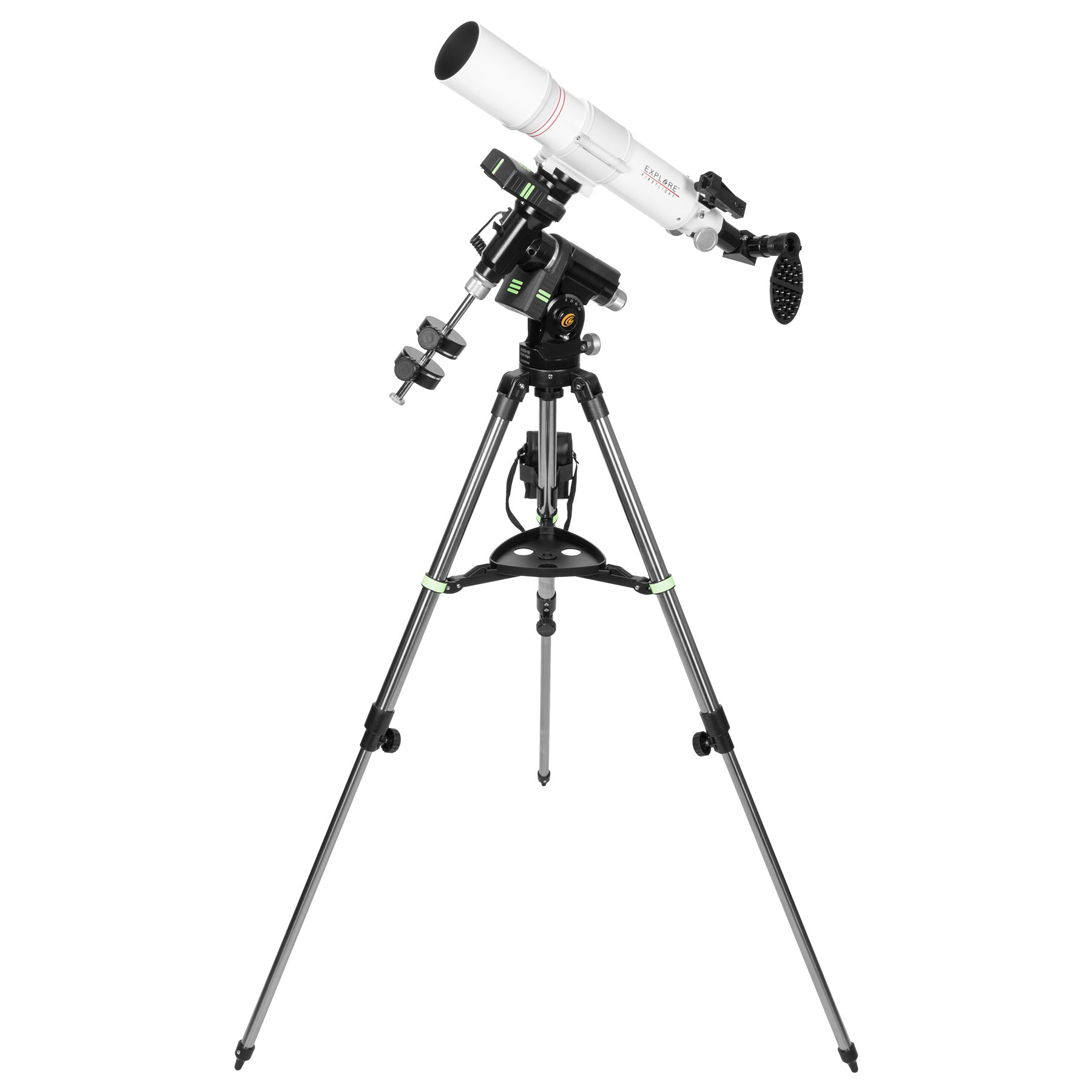
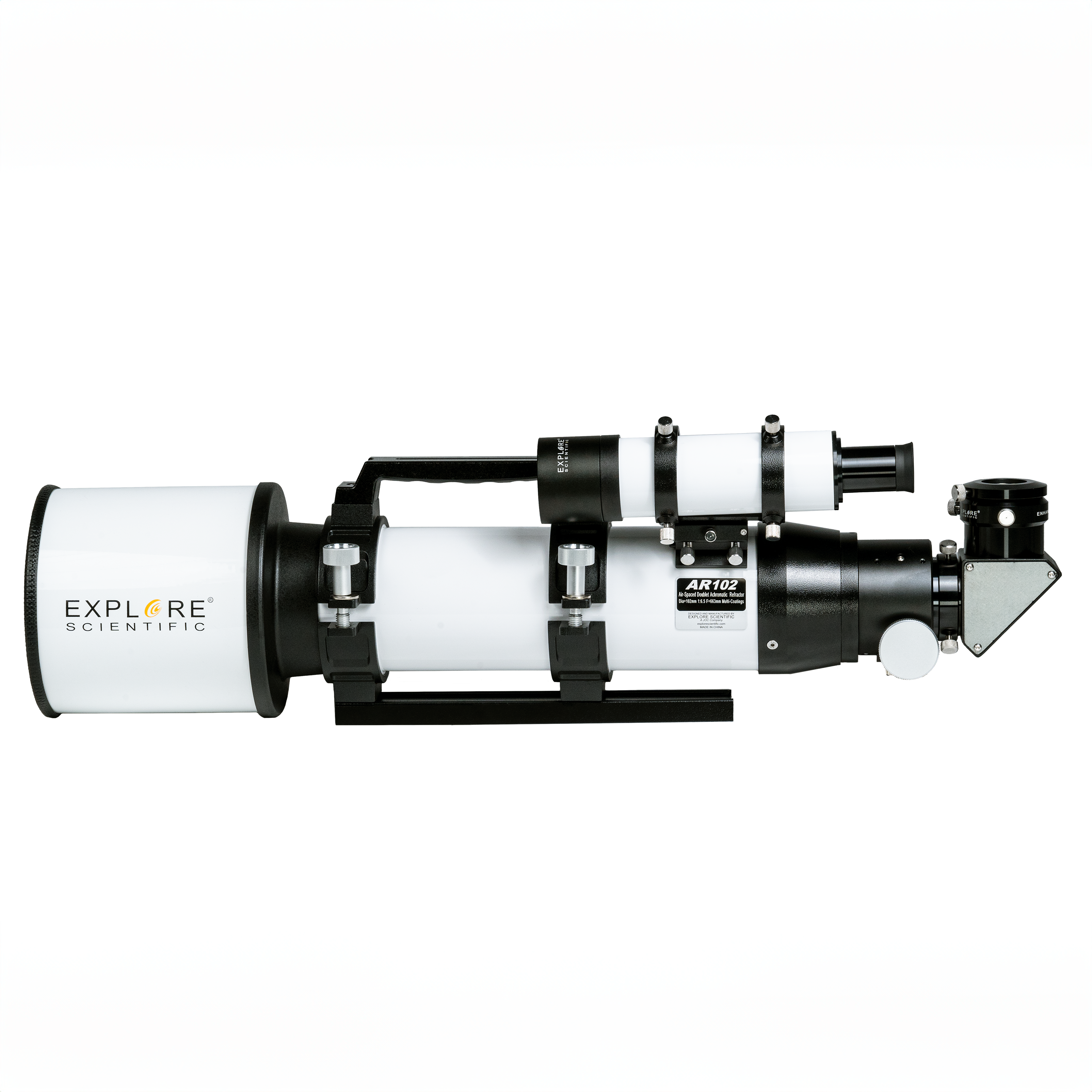
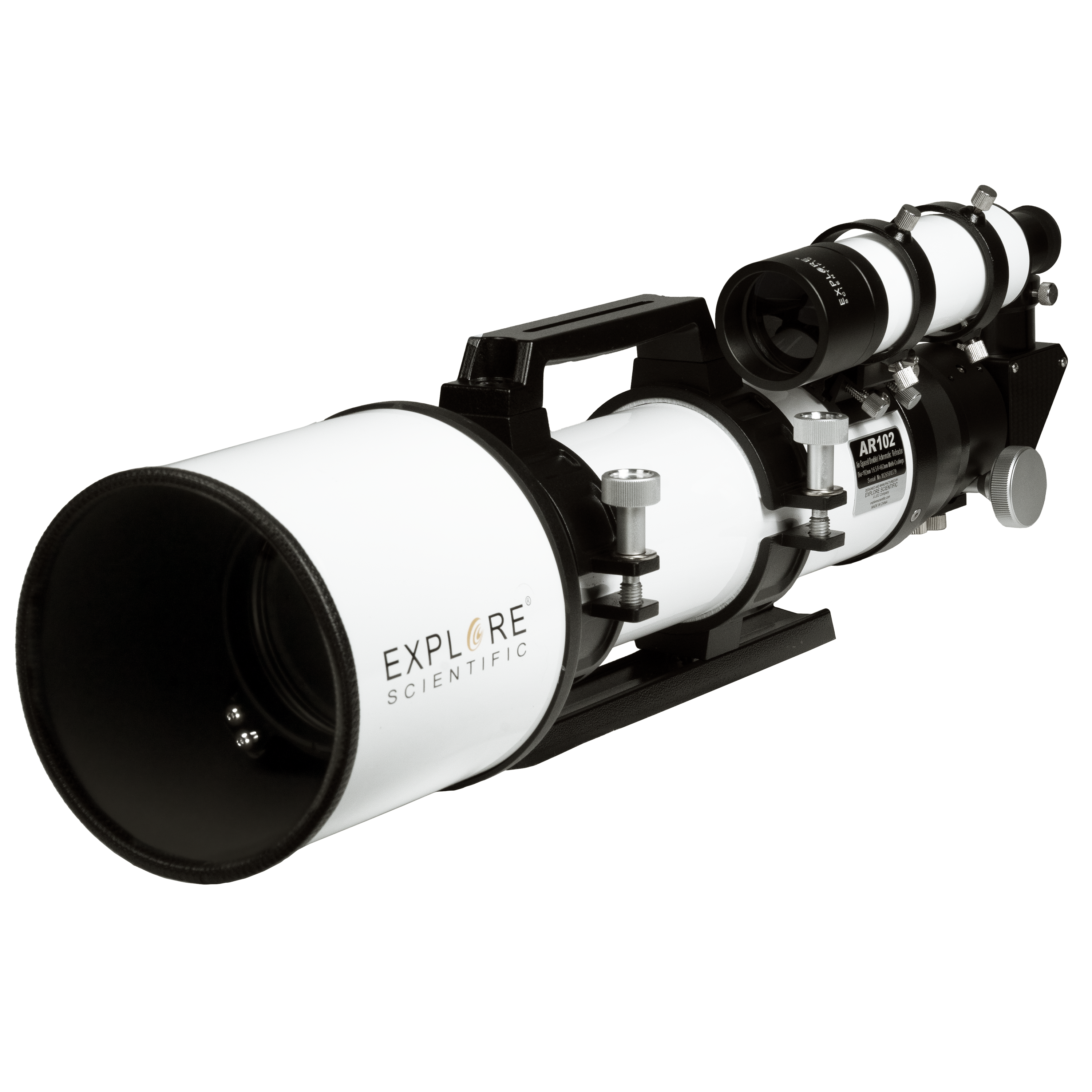
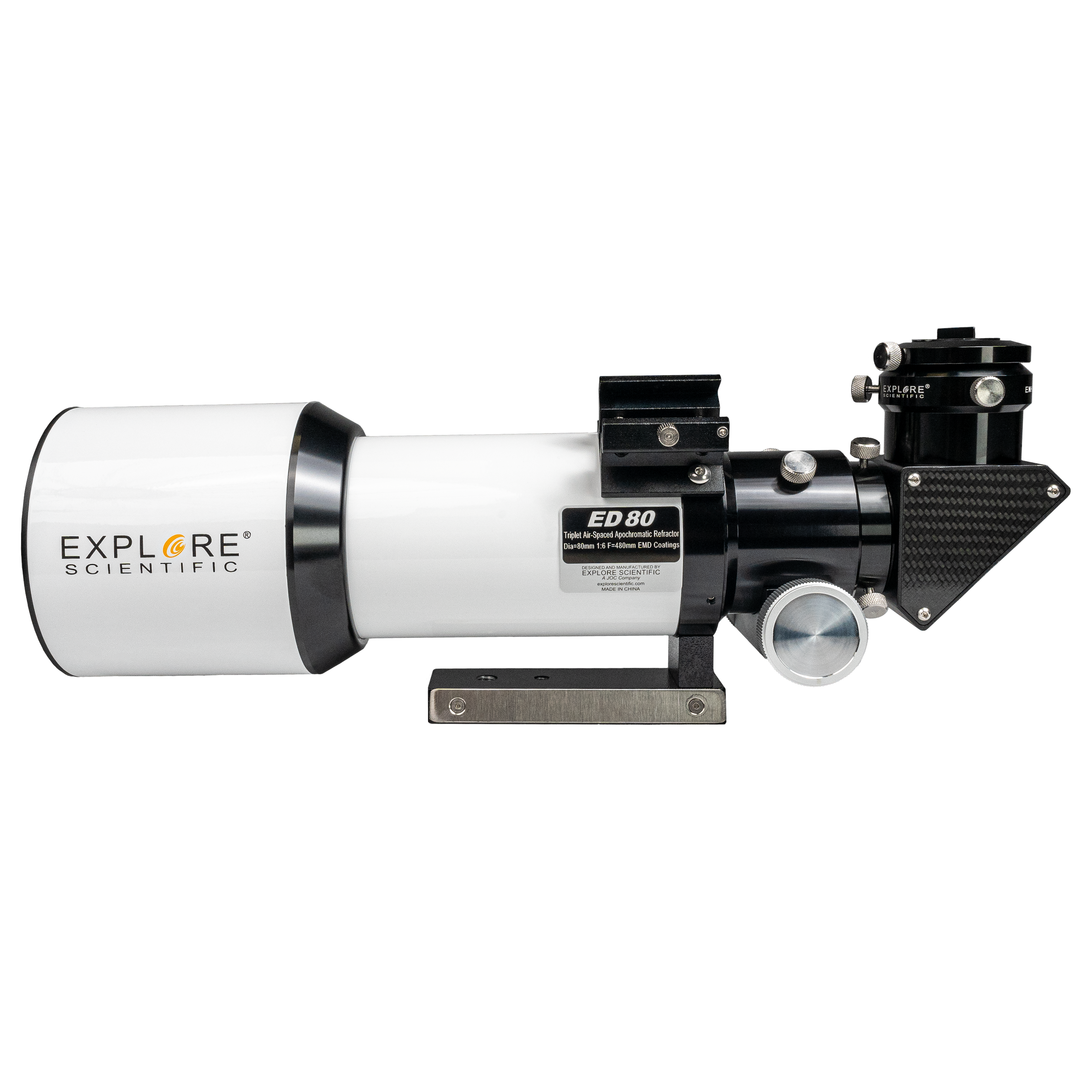
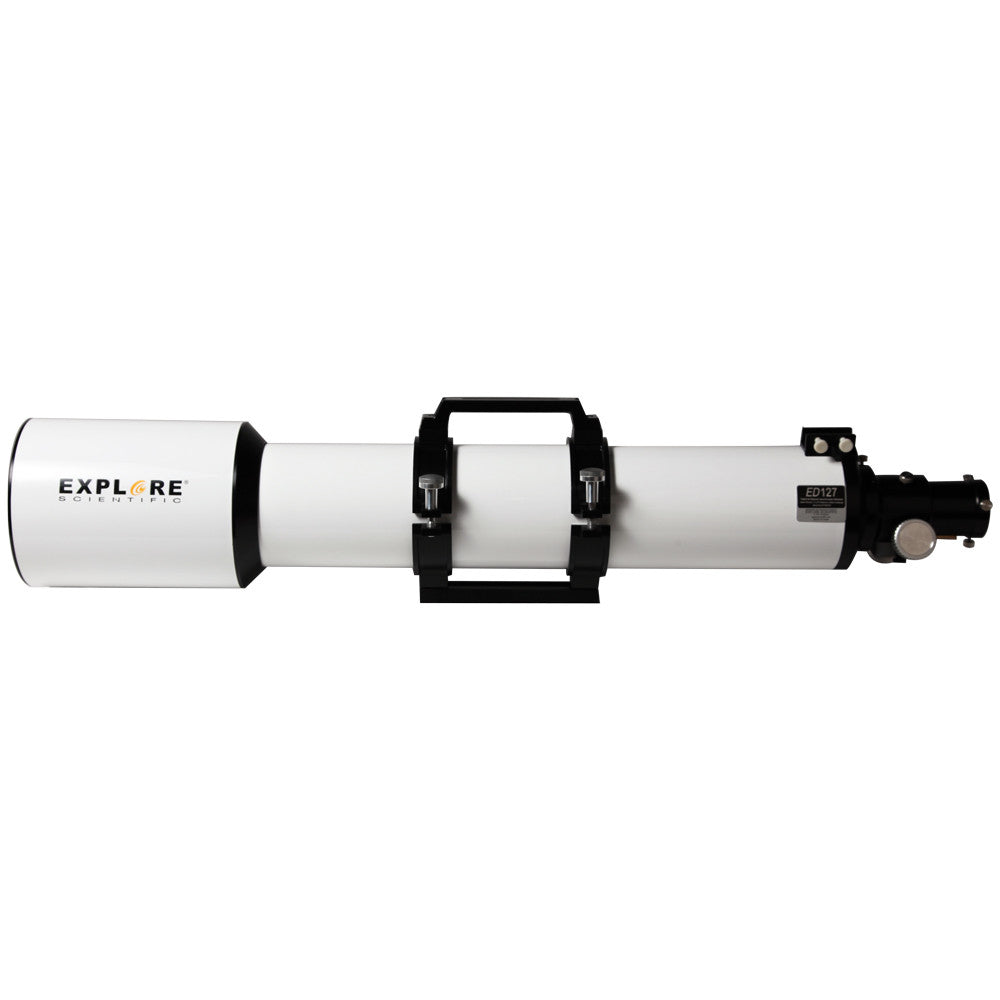
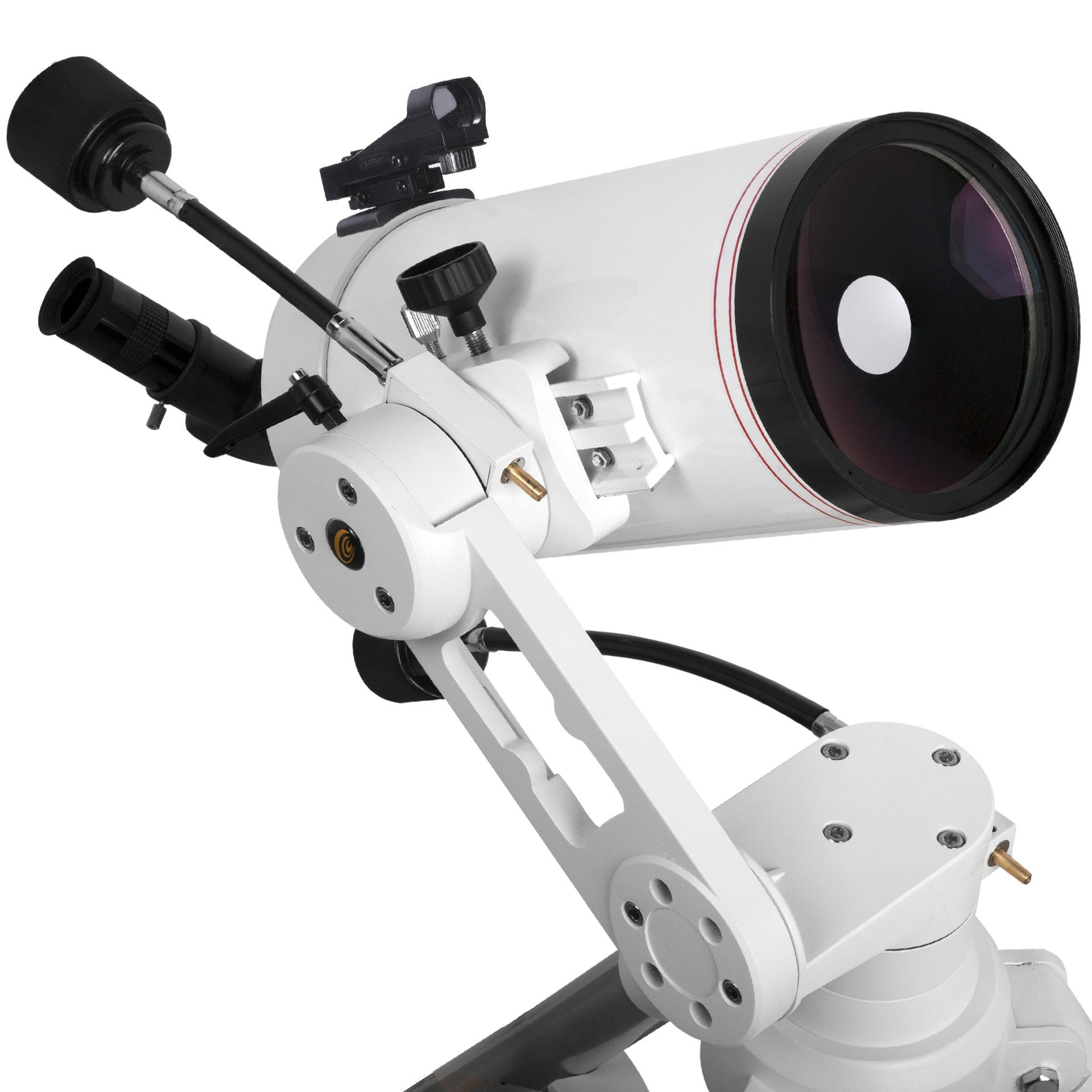
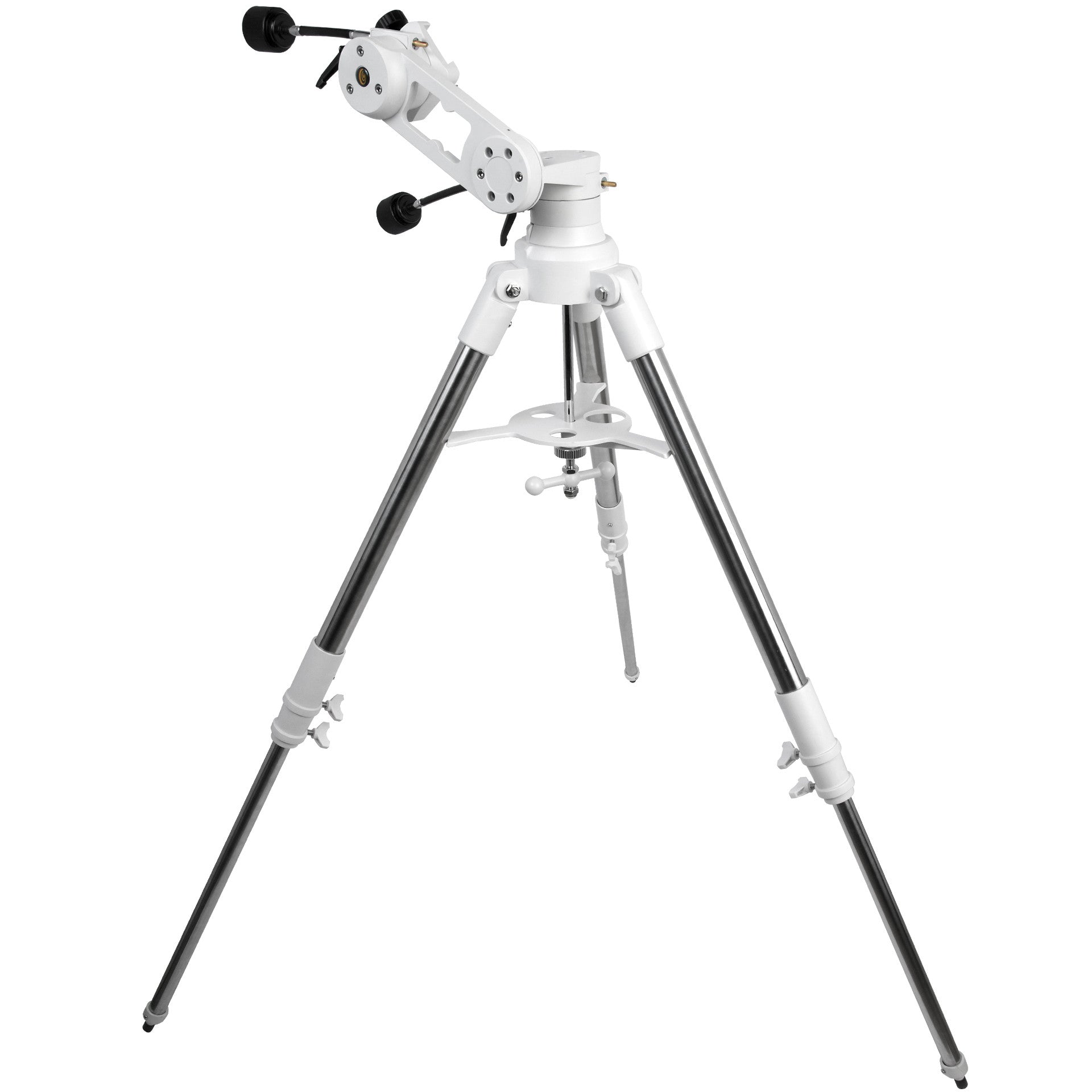
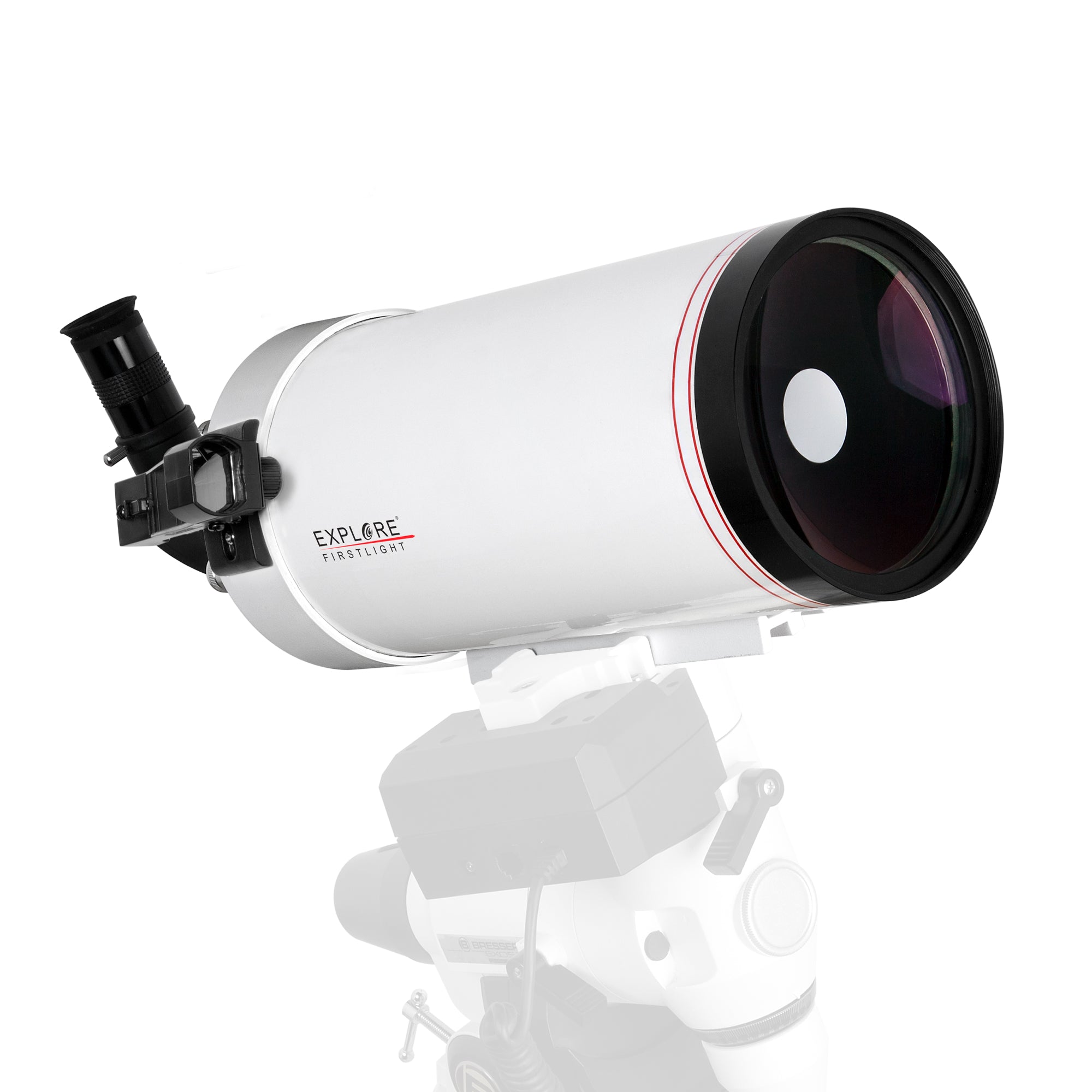
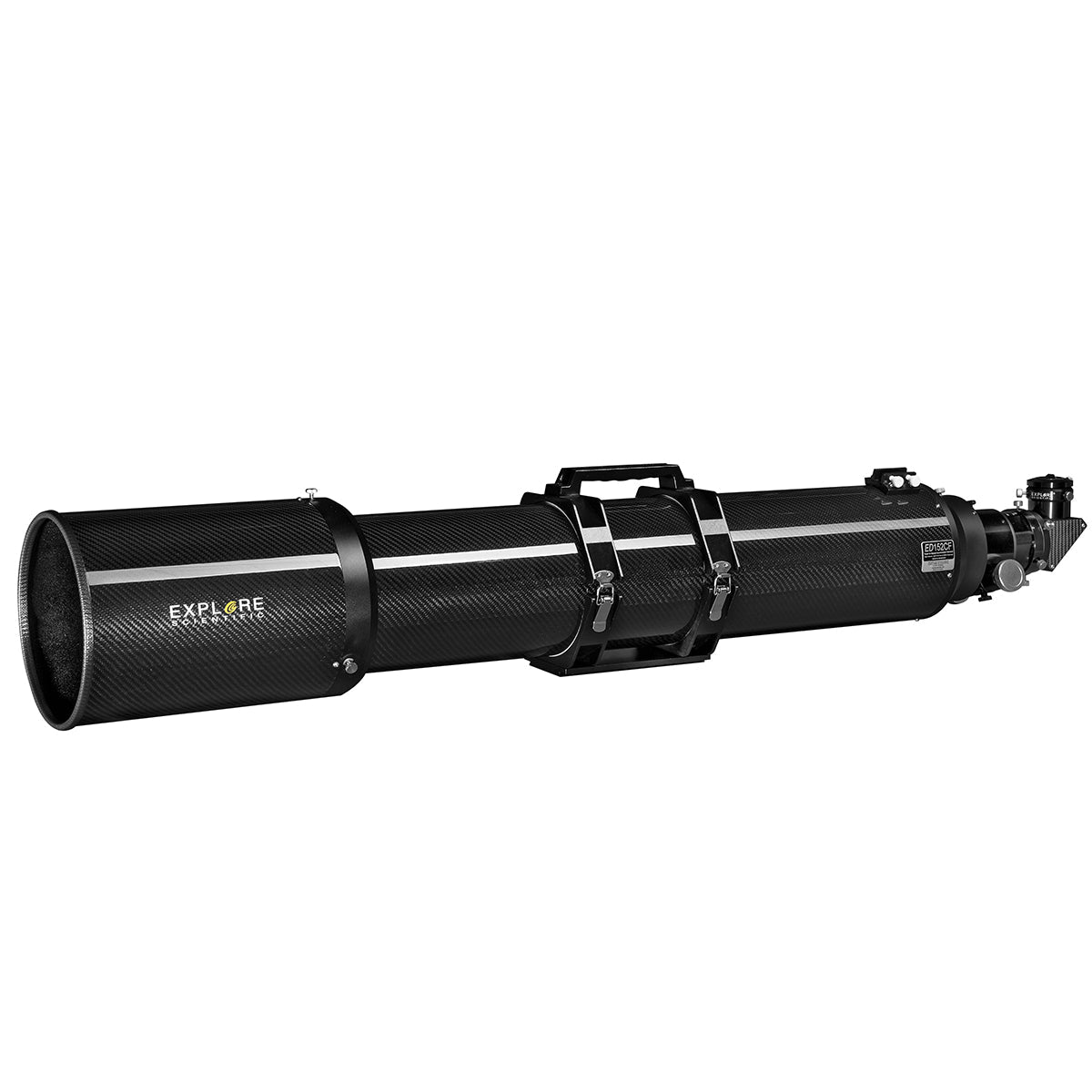
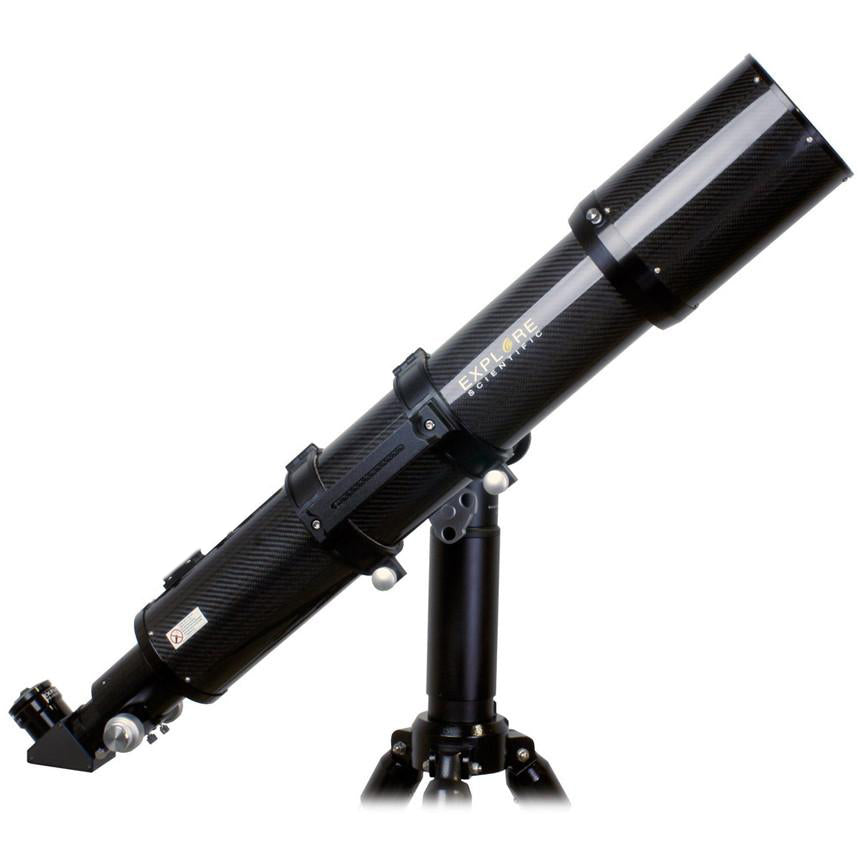
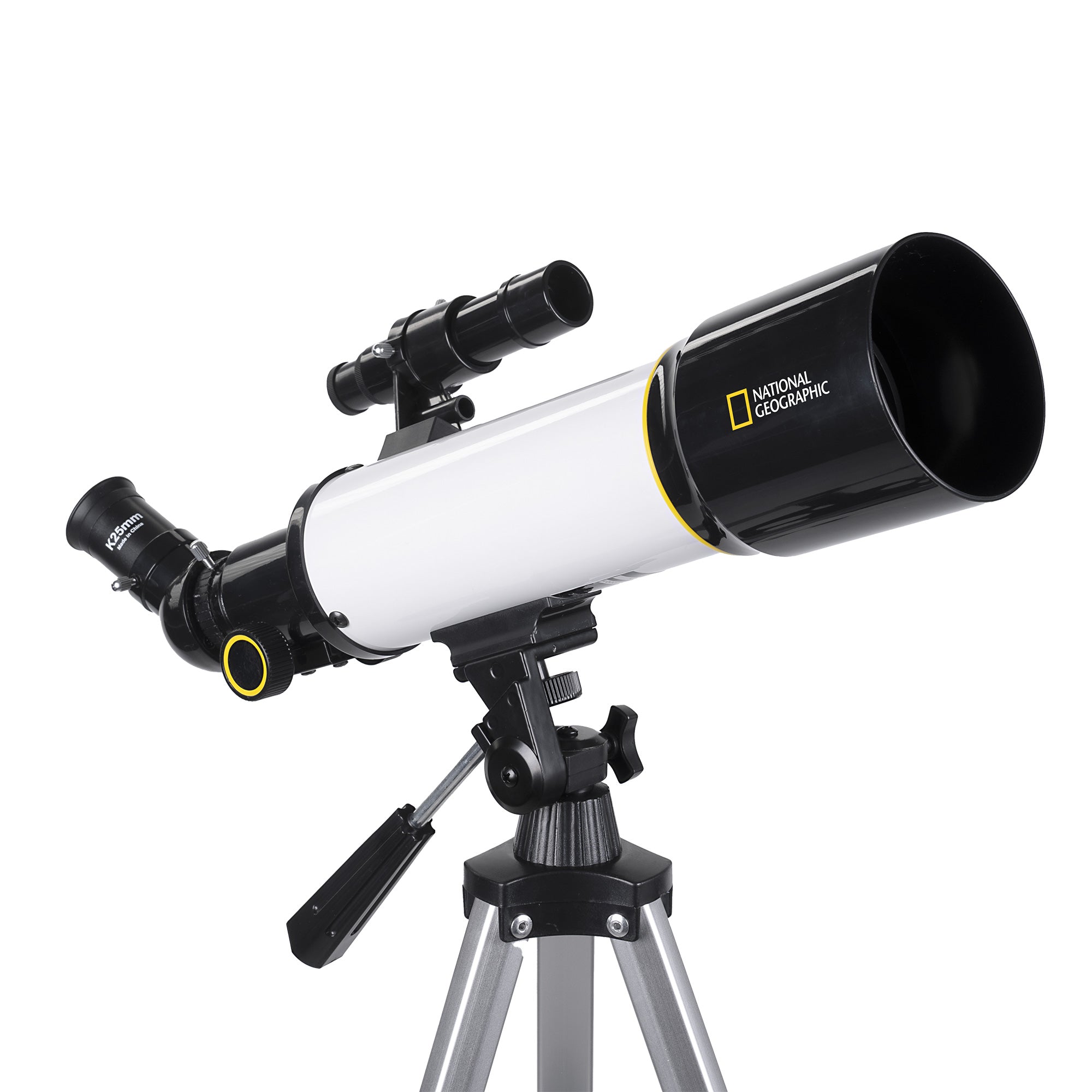
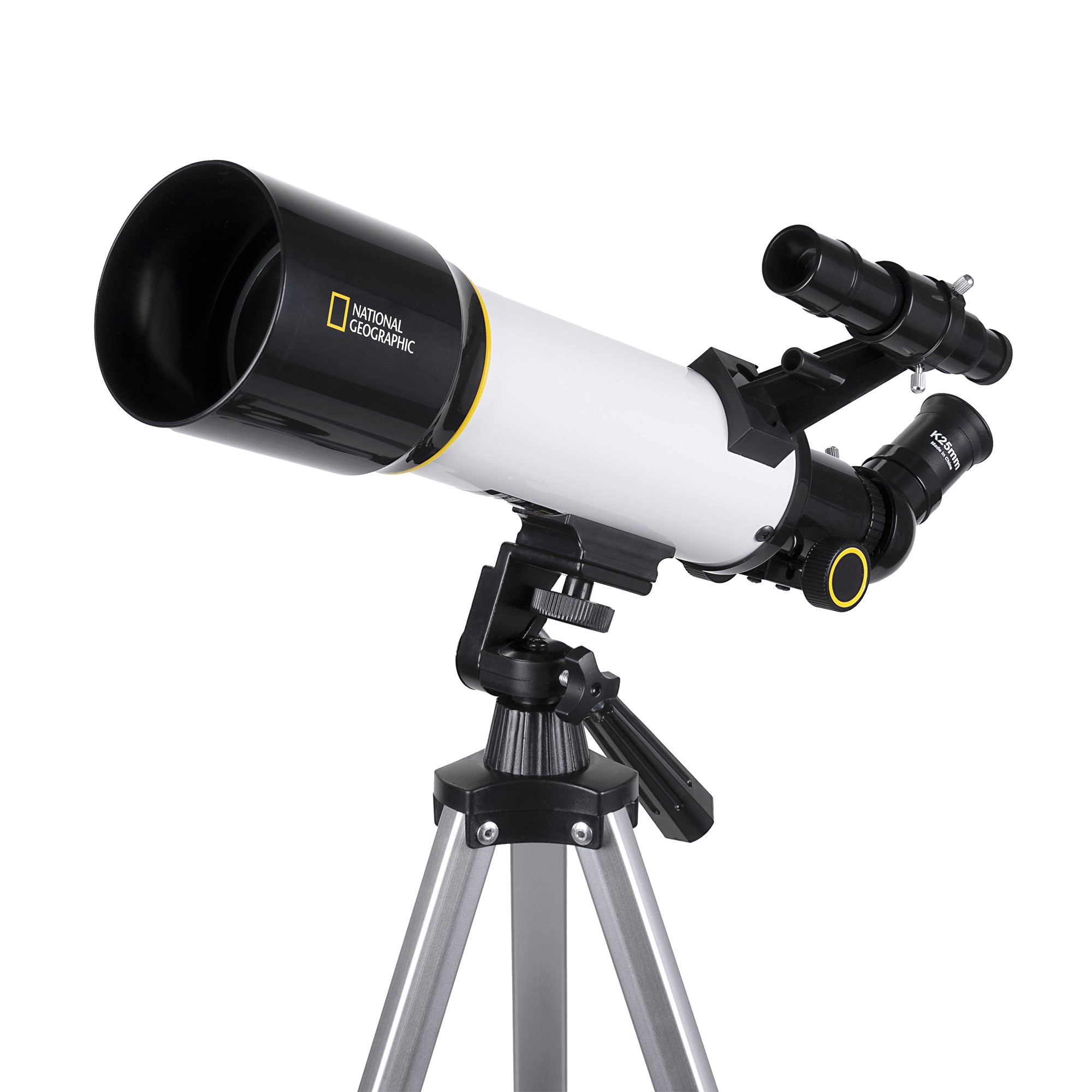
Explore Scientific bietet eine breite Palette von Teleskopen, einschließlichErforschen Sie wissenschaftliche Ar -Doublet -Teleskope,Erforschen Sie die Triplett-Teleskope der wissenschaftlichen Luftgeschwindigkeit, erforschen Sie die teleskopen reflektierenden wissenschaftlichen Truss-Röhrchen, erkunden Sie Teleskope und Reittiere der Firstlight-Serie, erforschen Sie ein Teleskop, Nationalgeographie-Teleskope und Discovery-Teleskope.
Auch bei Amazon erhältlich
Filter
100 Produkte
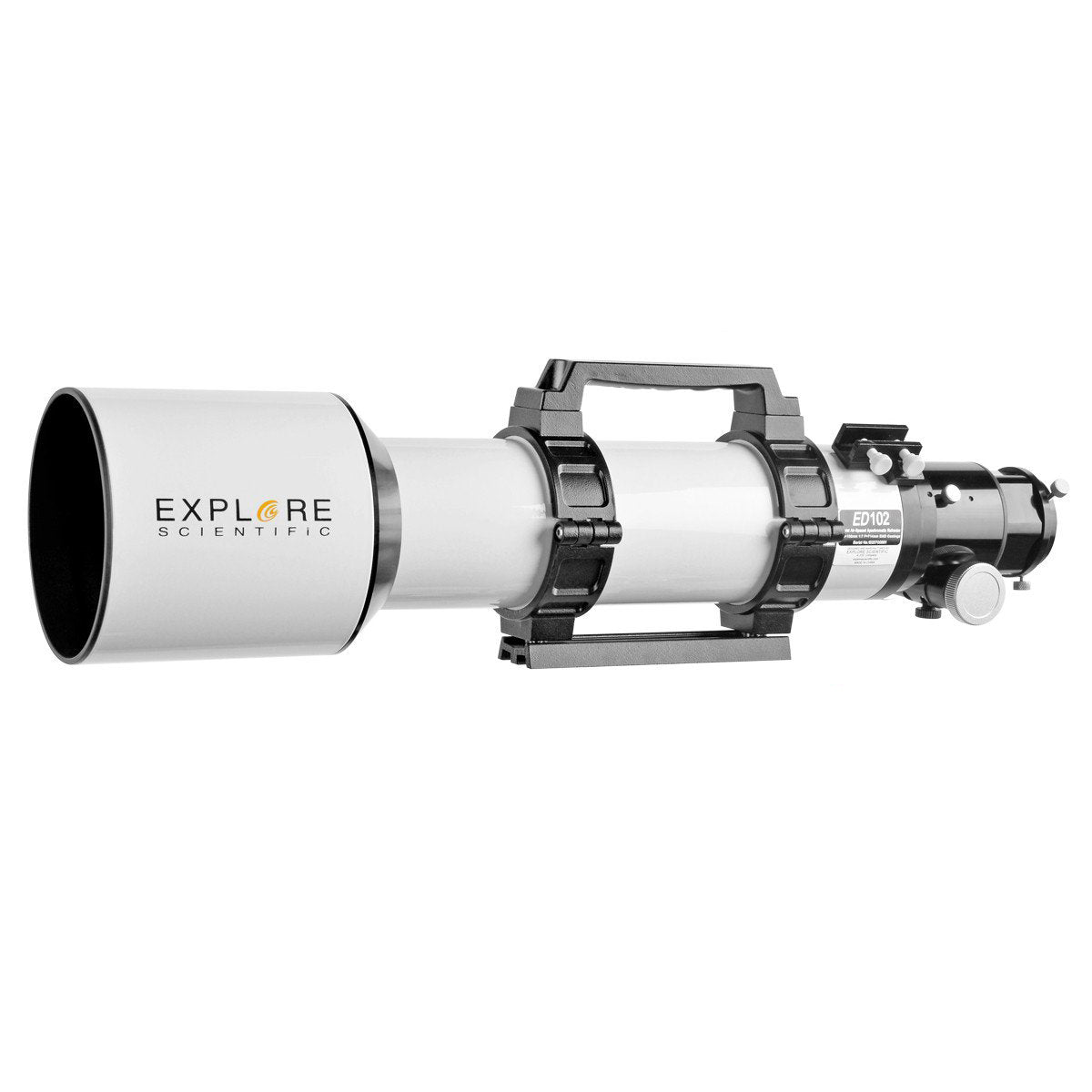
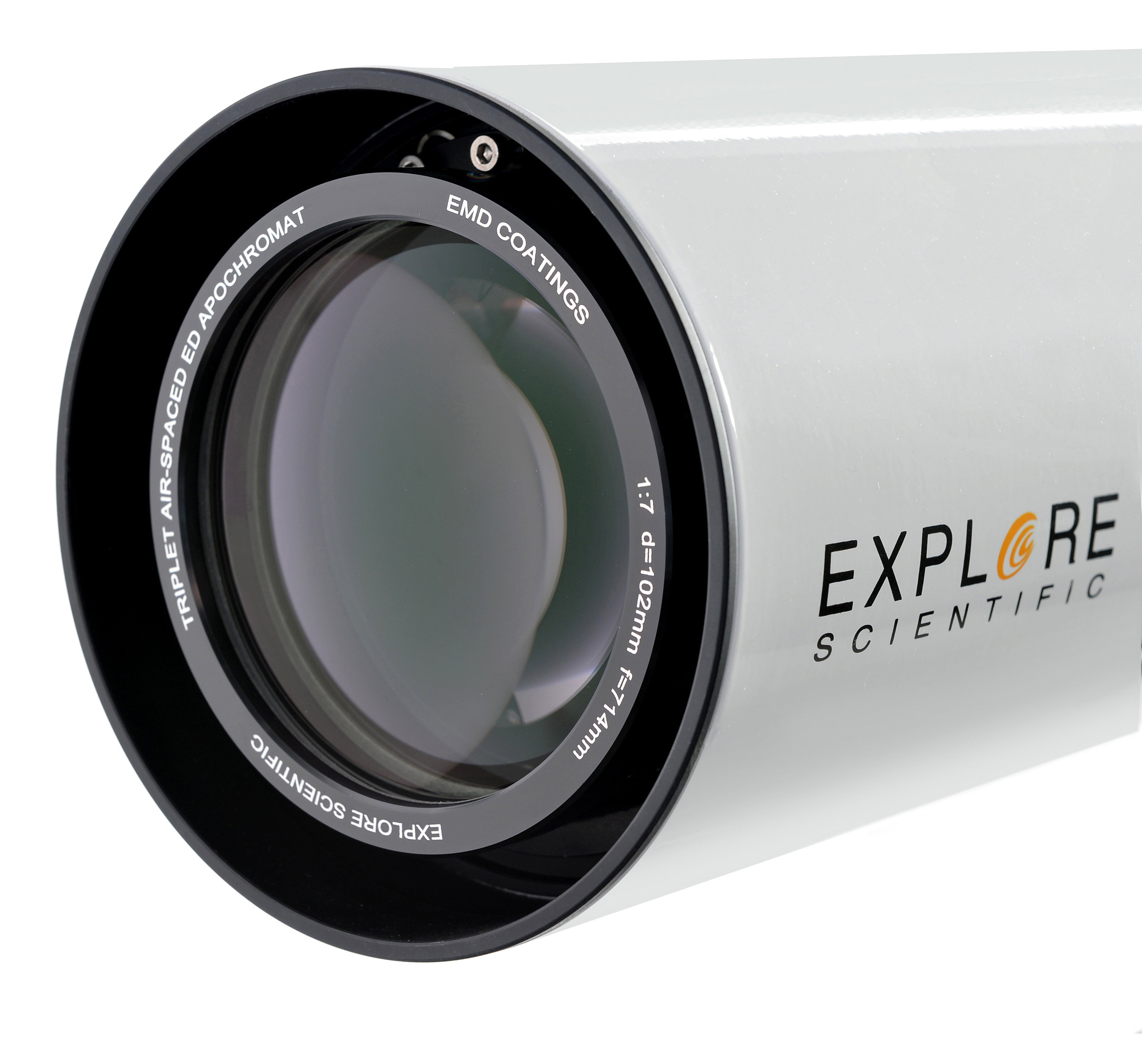
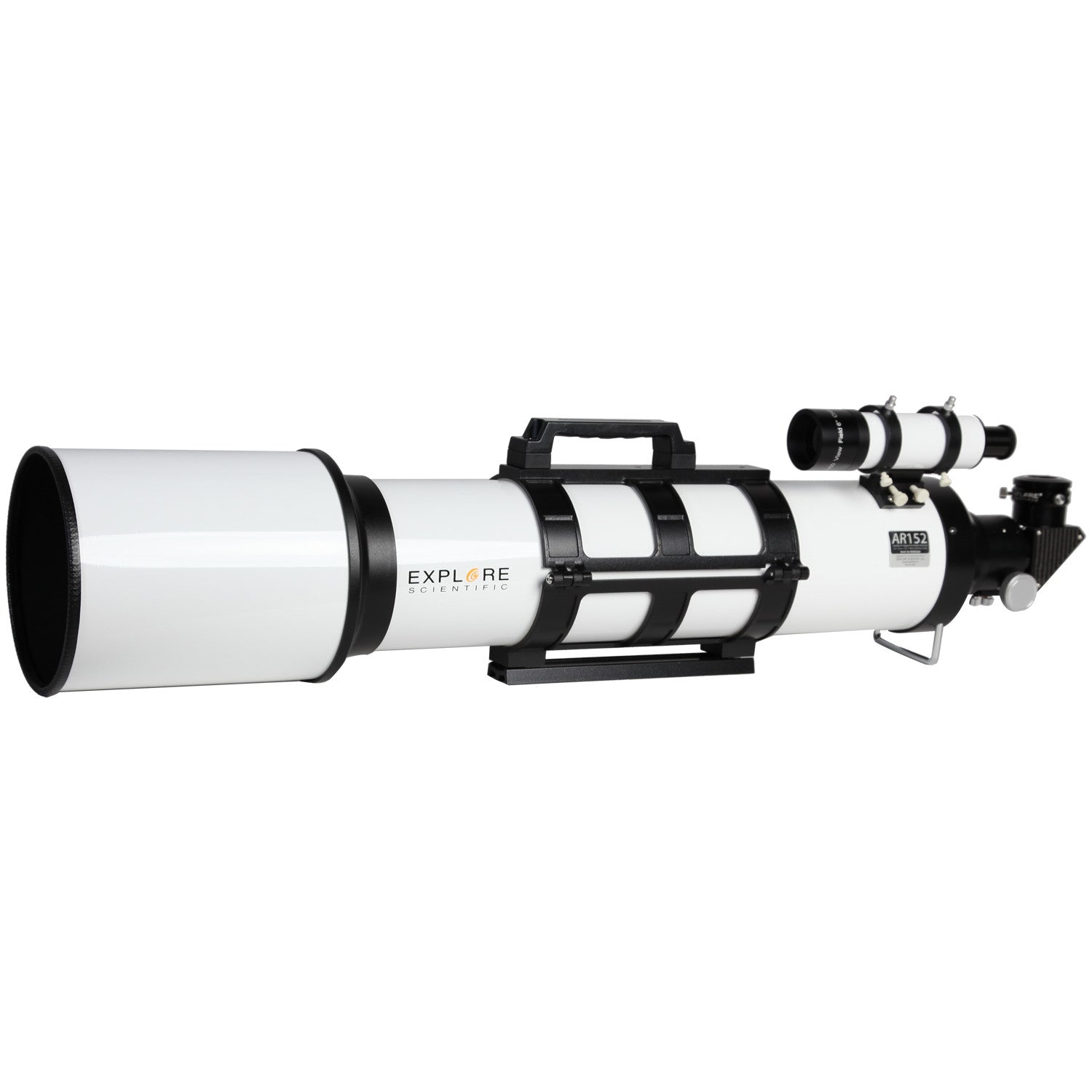
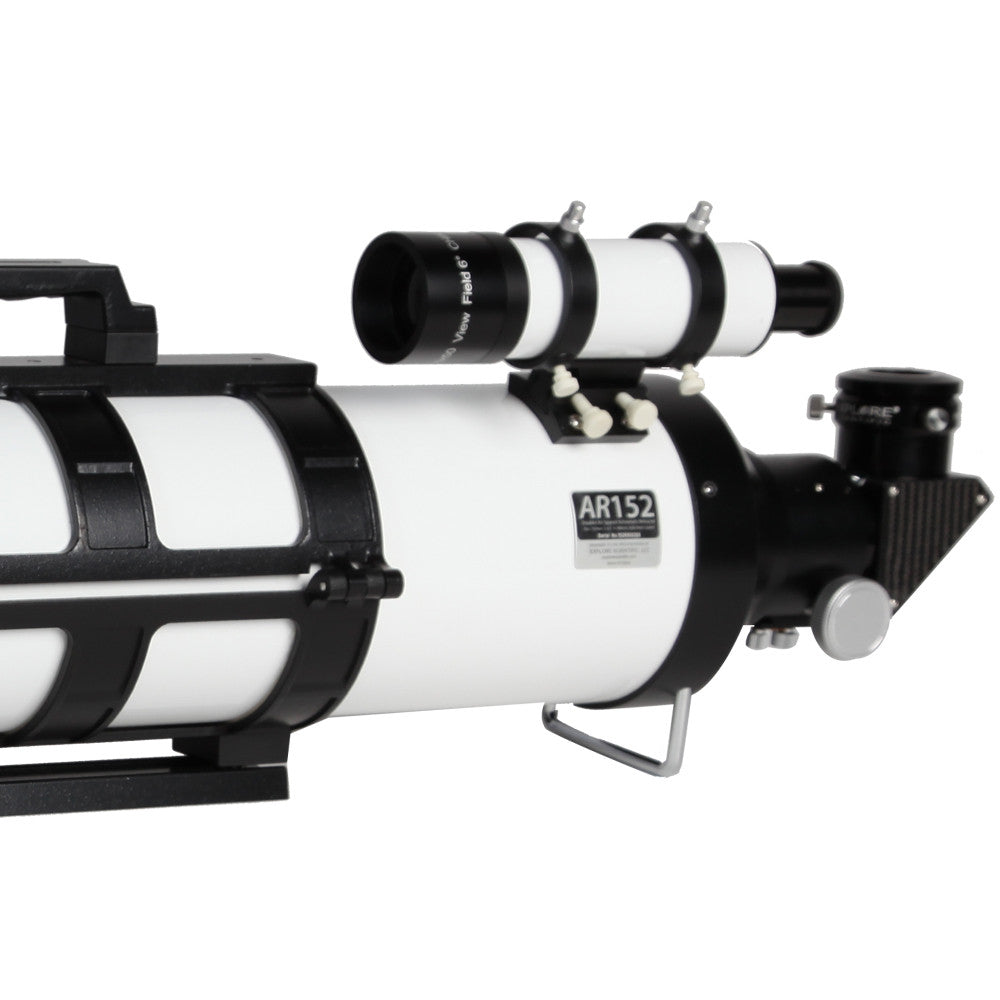
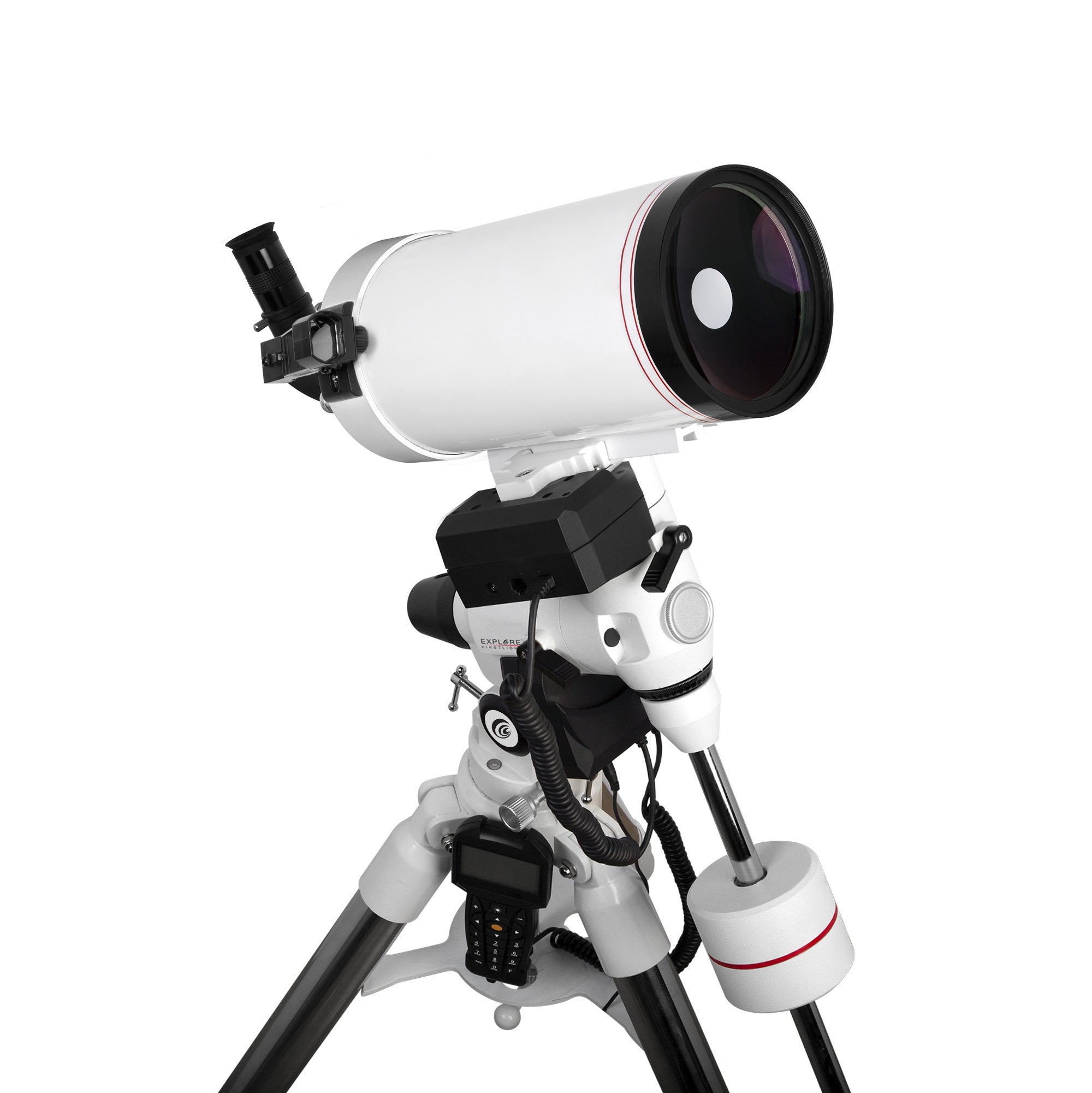
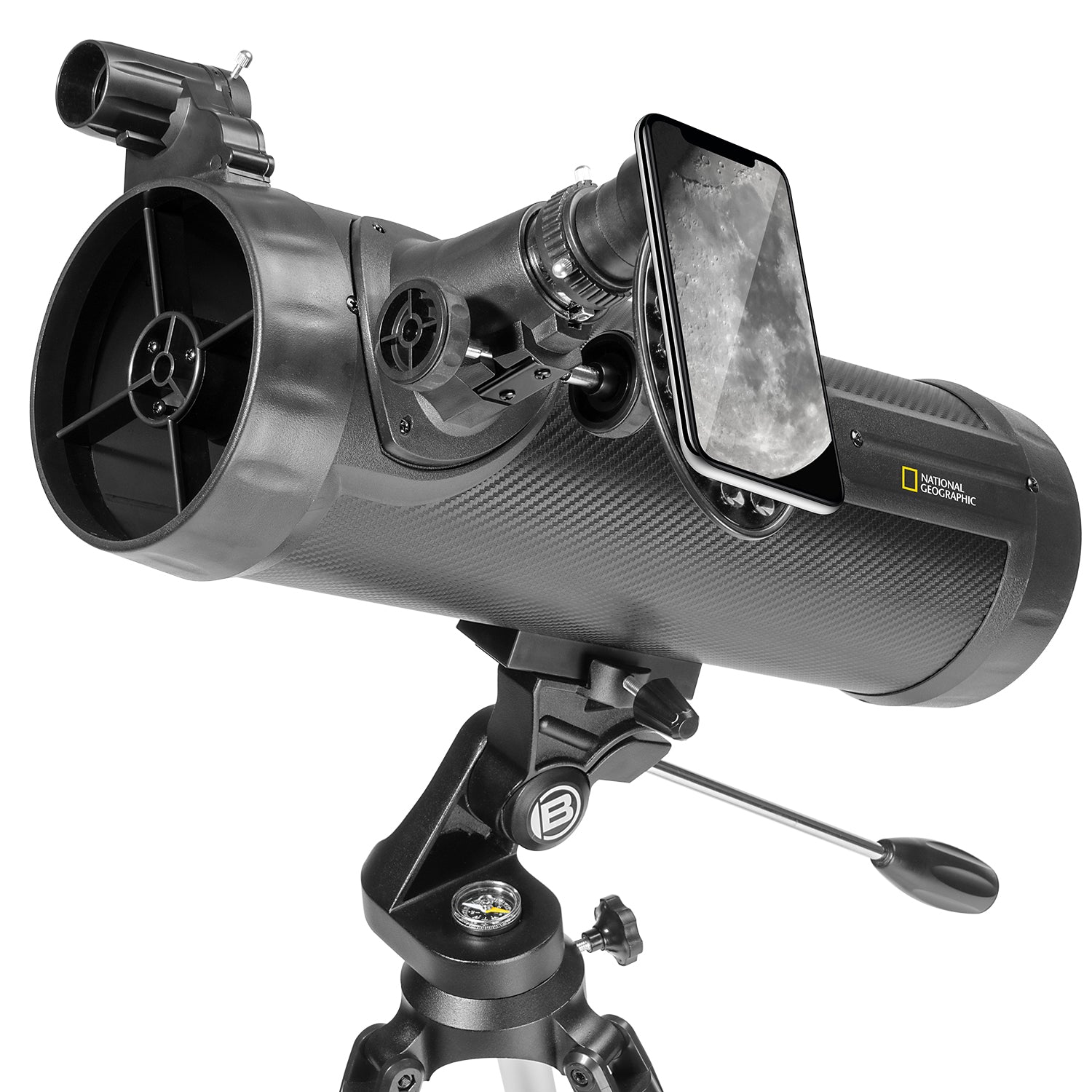
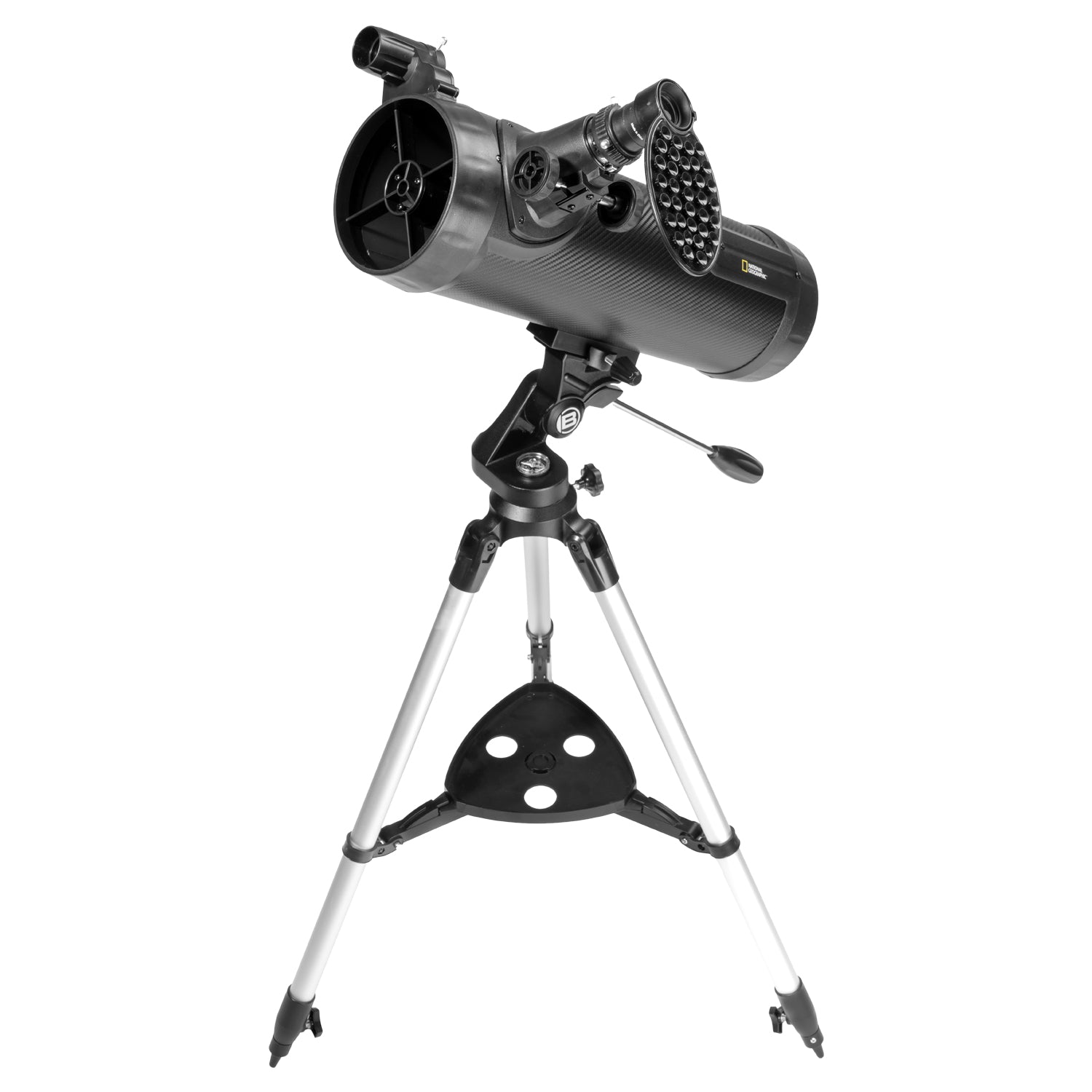
2 Farben verfügbar
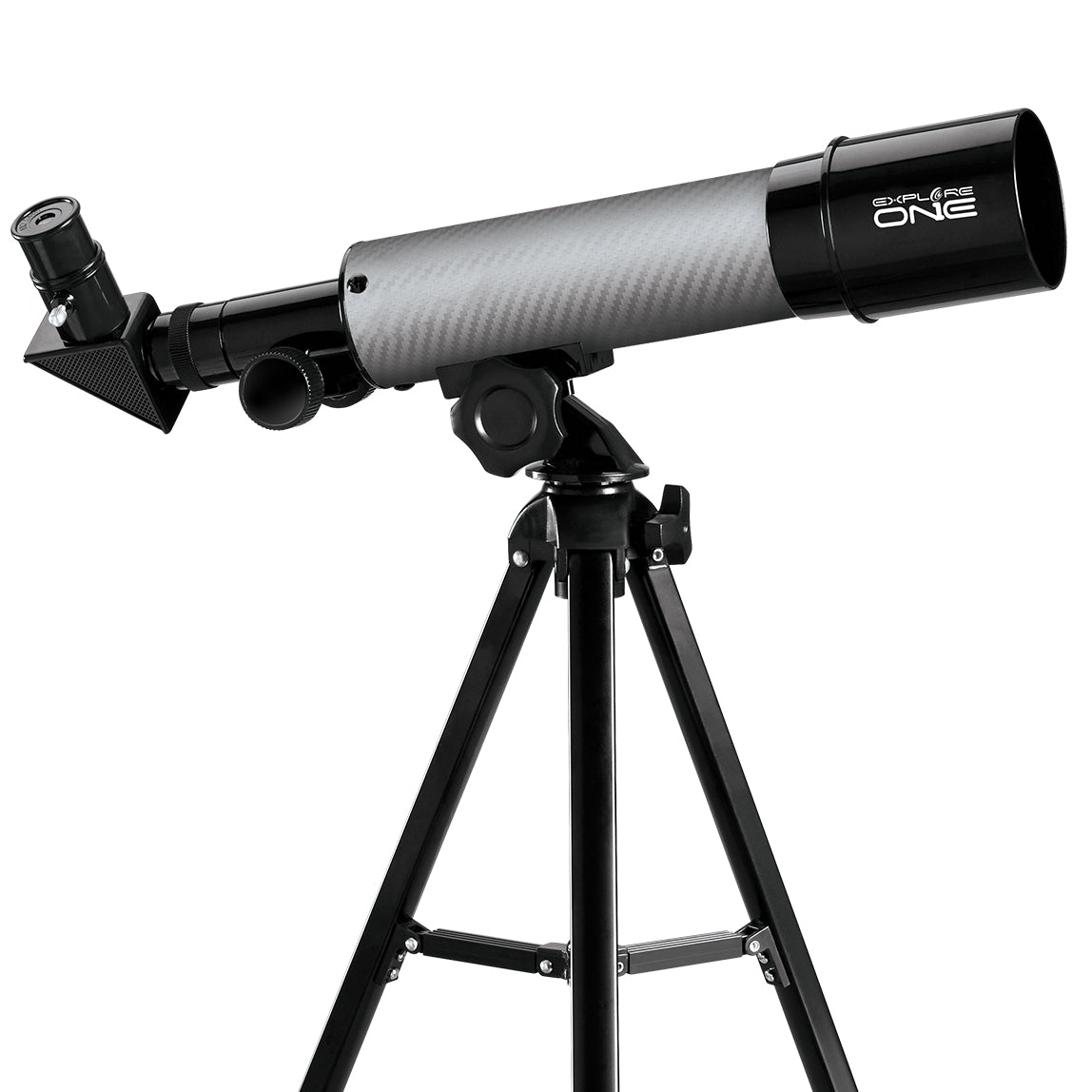
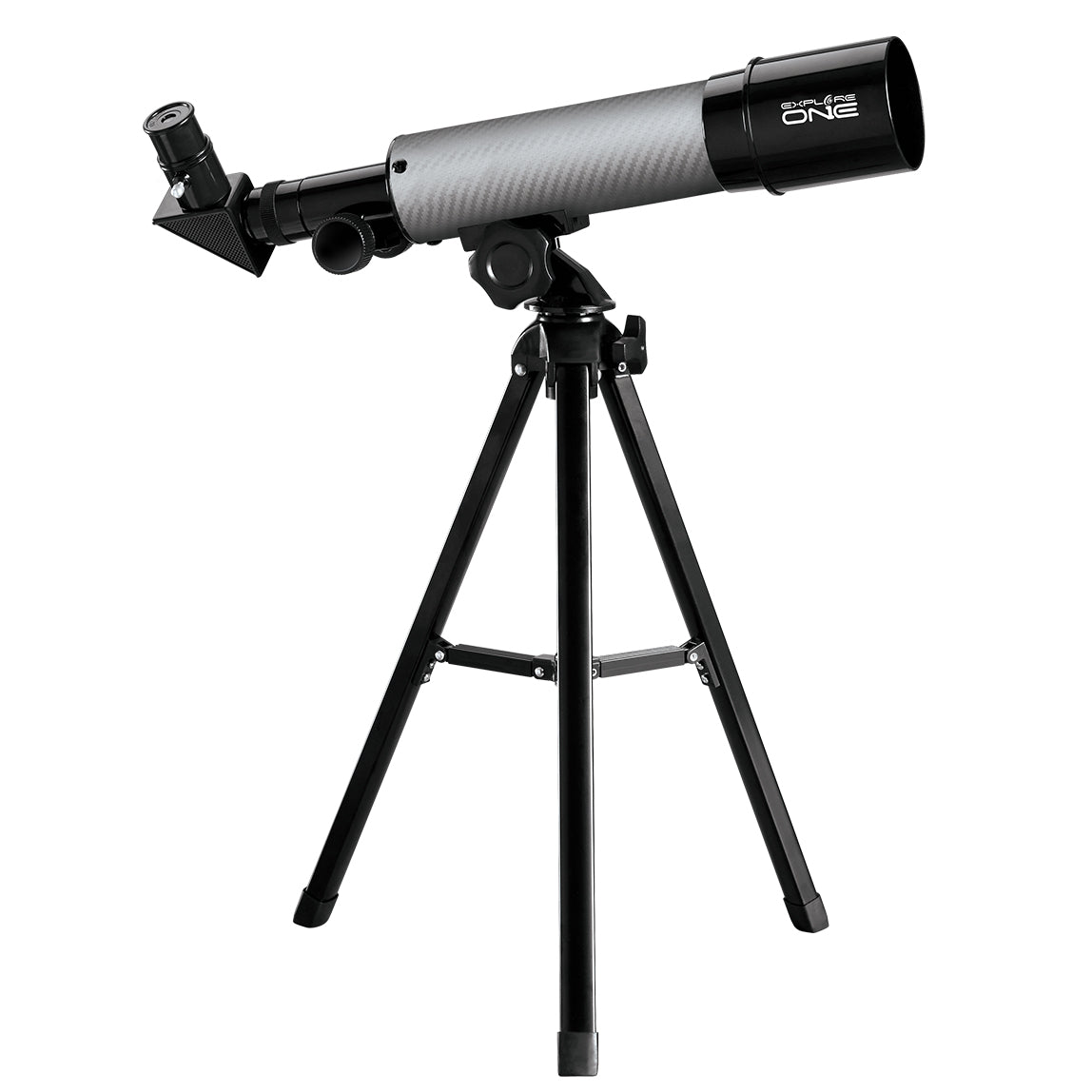
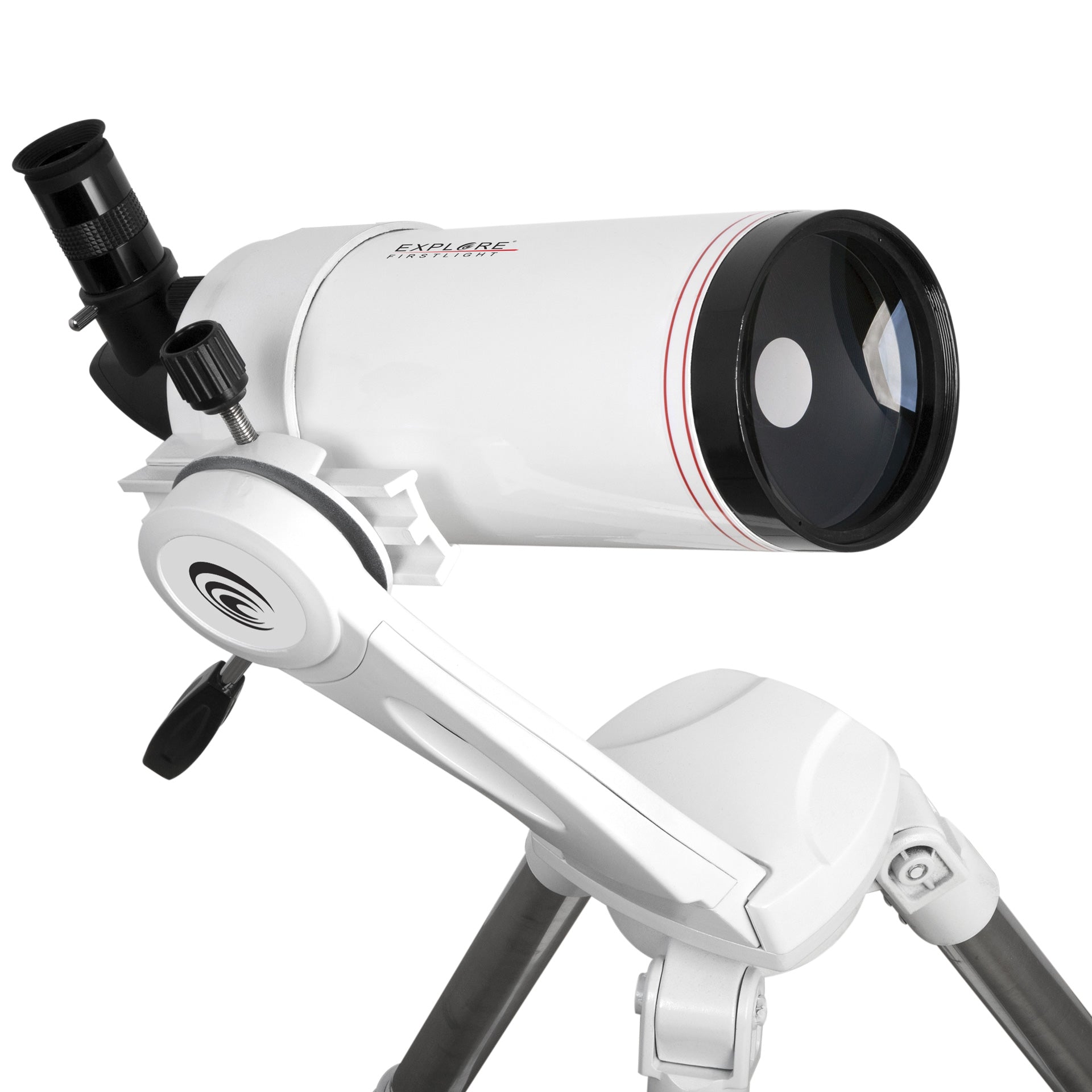
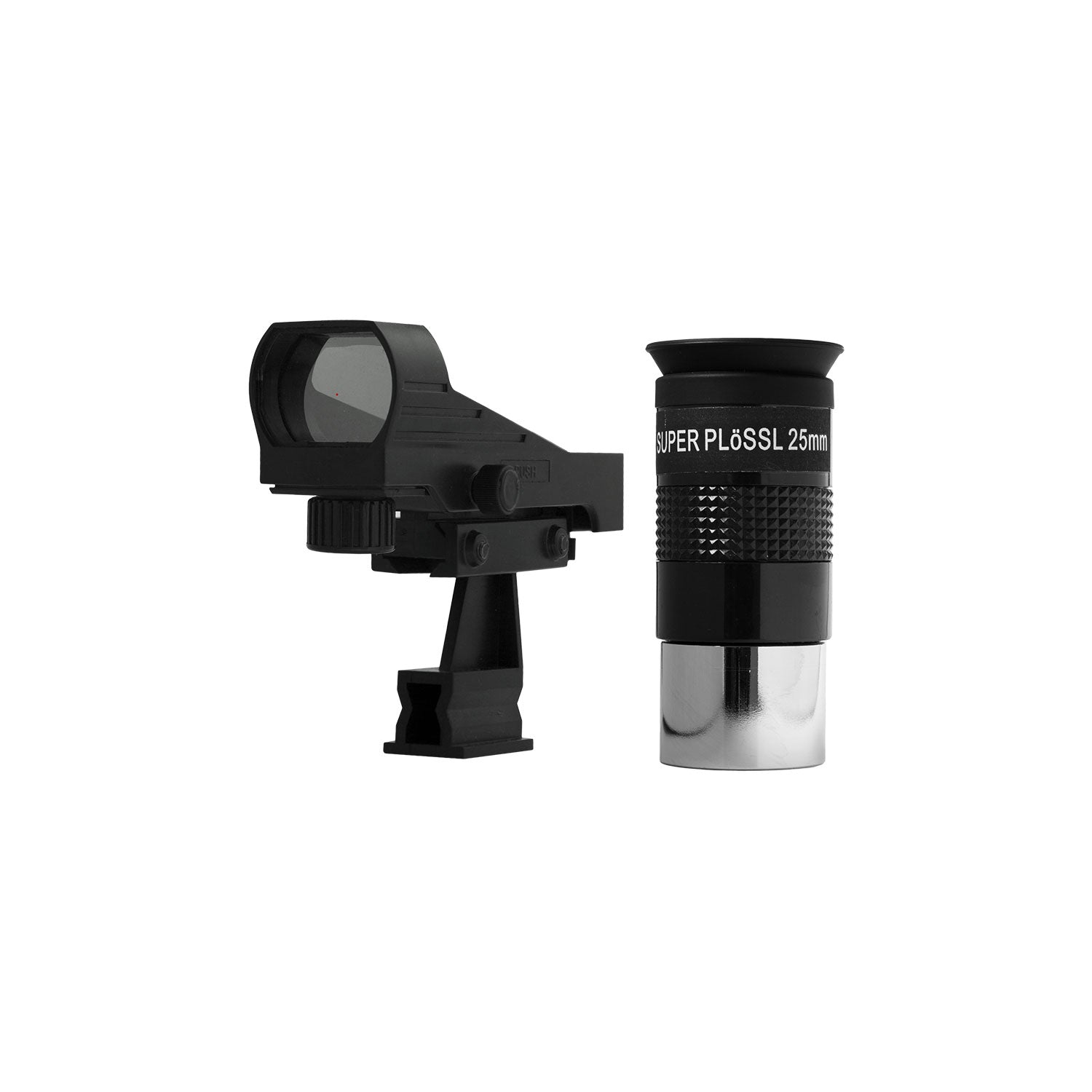
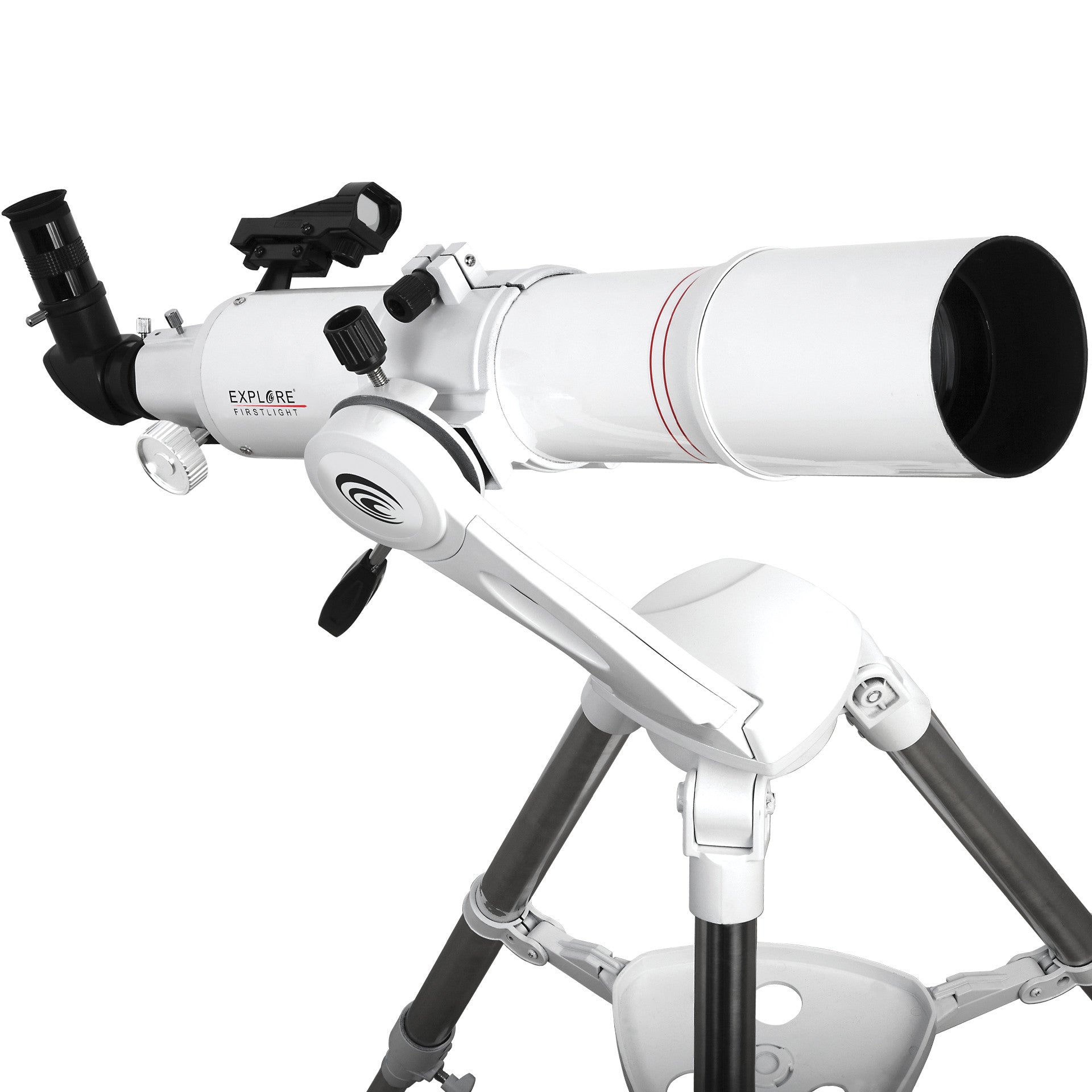
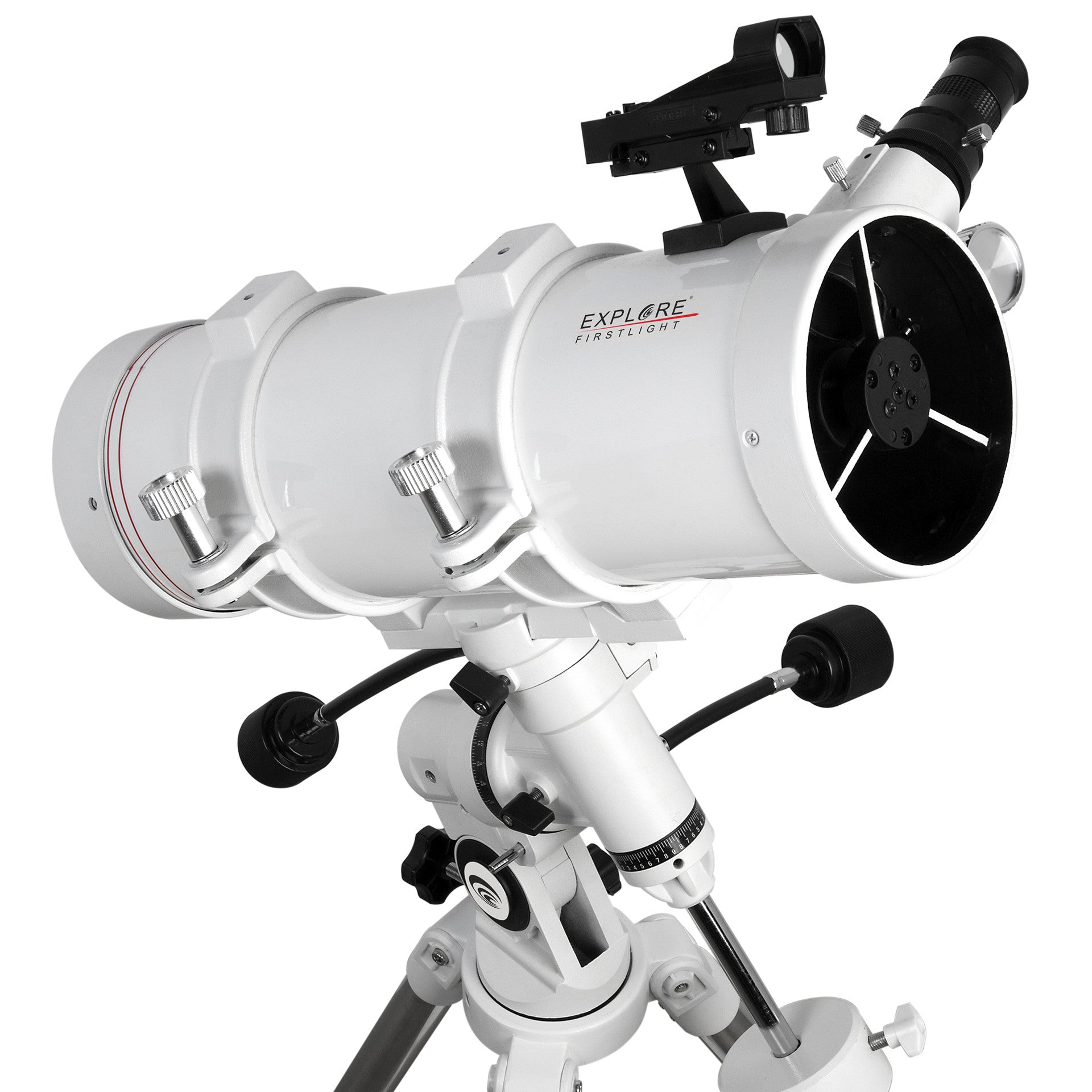
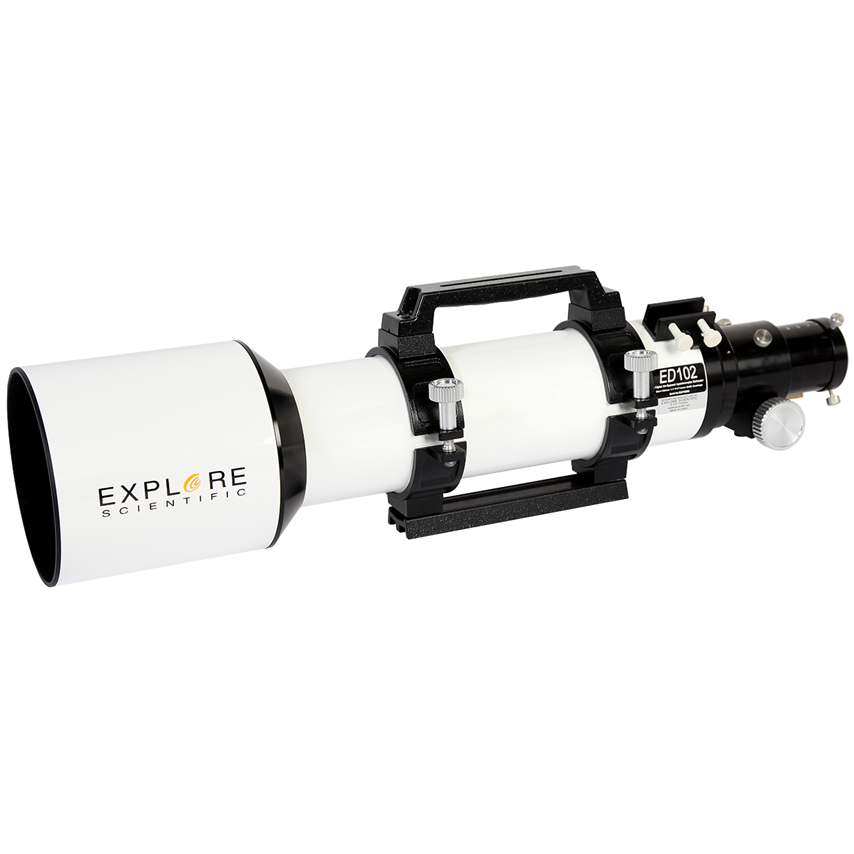
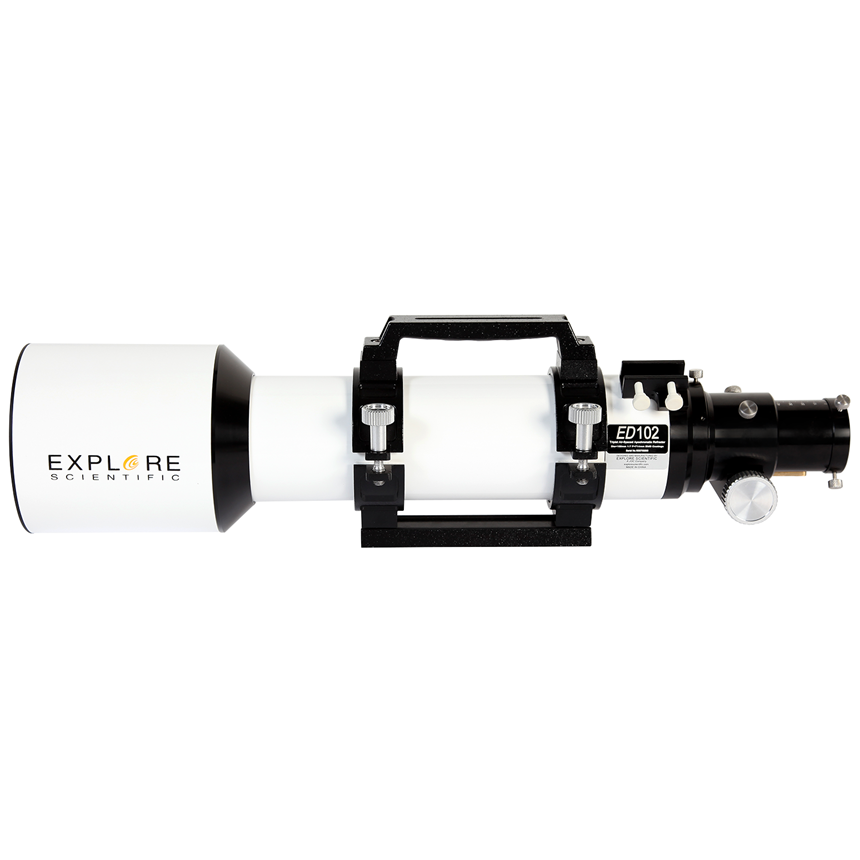
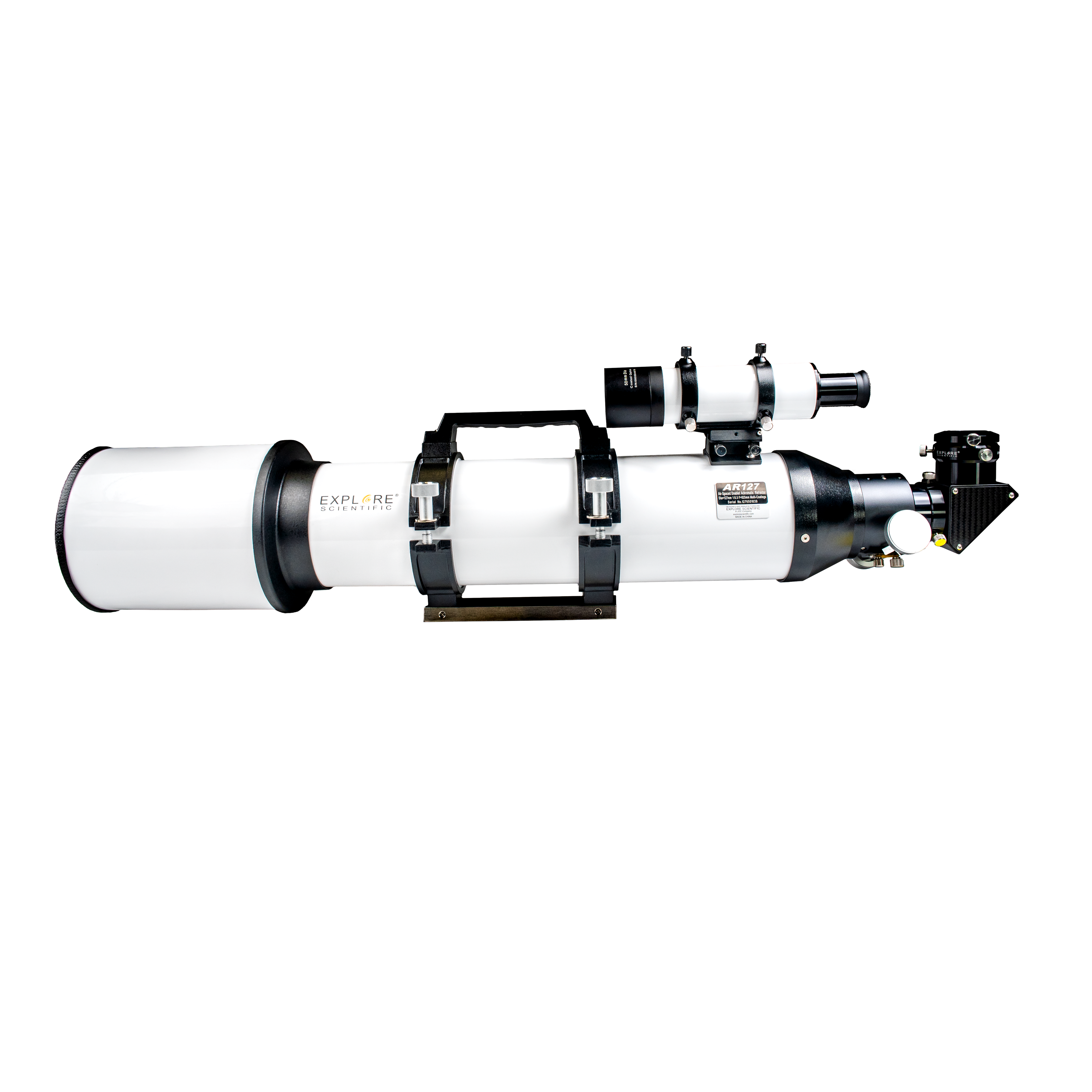
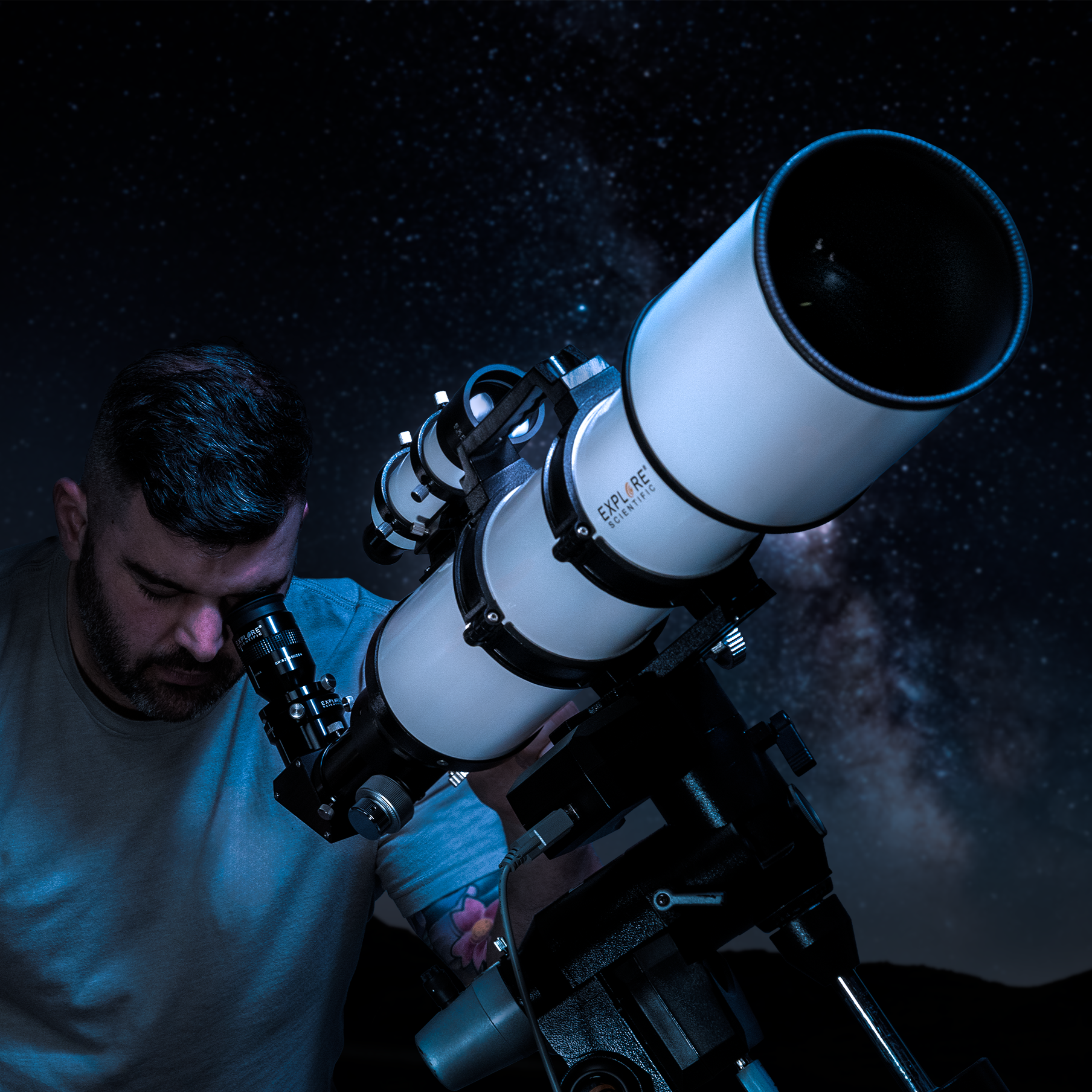
Explore Scientific Expert Tips
Your Complete Guide to Choosing the Right Telescope
Whether you’re shopping for your first beginner telescope or upgrading to a high-performance instrument for serious astronomy, this collection from Explore Scientific includes a wide range of refractor telescopes, reflector telescopes, Dobsonian telescopes, and Newtonian reflector models designed for every level of observer. From compact travel-friendly scopes to large aperture telescopes built for deep-sky observing, understanding factors like aperture size, optical design, and mount type (alt-azimuth, equatorial, or GoTo) can make all the difference in your stargazing experience.
Here, our team breaks down key telescope features, including how aperture impacts light-gathering power, the differences between refractors and reflectors, mount options for smooth tracking, and essential accessories that enhance planetary and deep-sky viewing. Use this guide to confidently choose the best telescope for viewing planets, galaxies, nebulae, star clusters, and more.
Explore telescopes come in a variety of optical designs, from refractors that use precision lenses to reflectors and compound scopes that use mirrors or mirror/lens combinations. Each design has strengths depending on your observing goals and experience level.
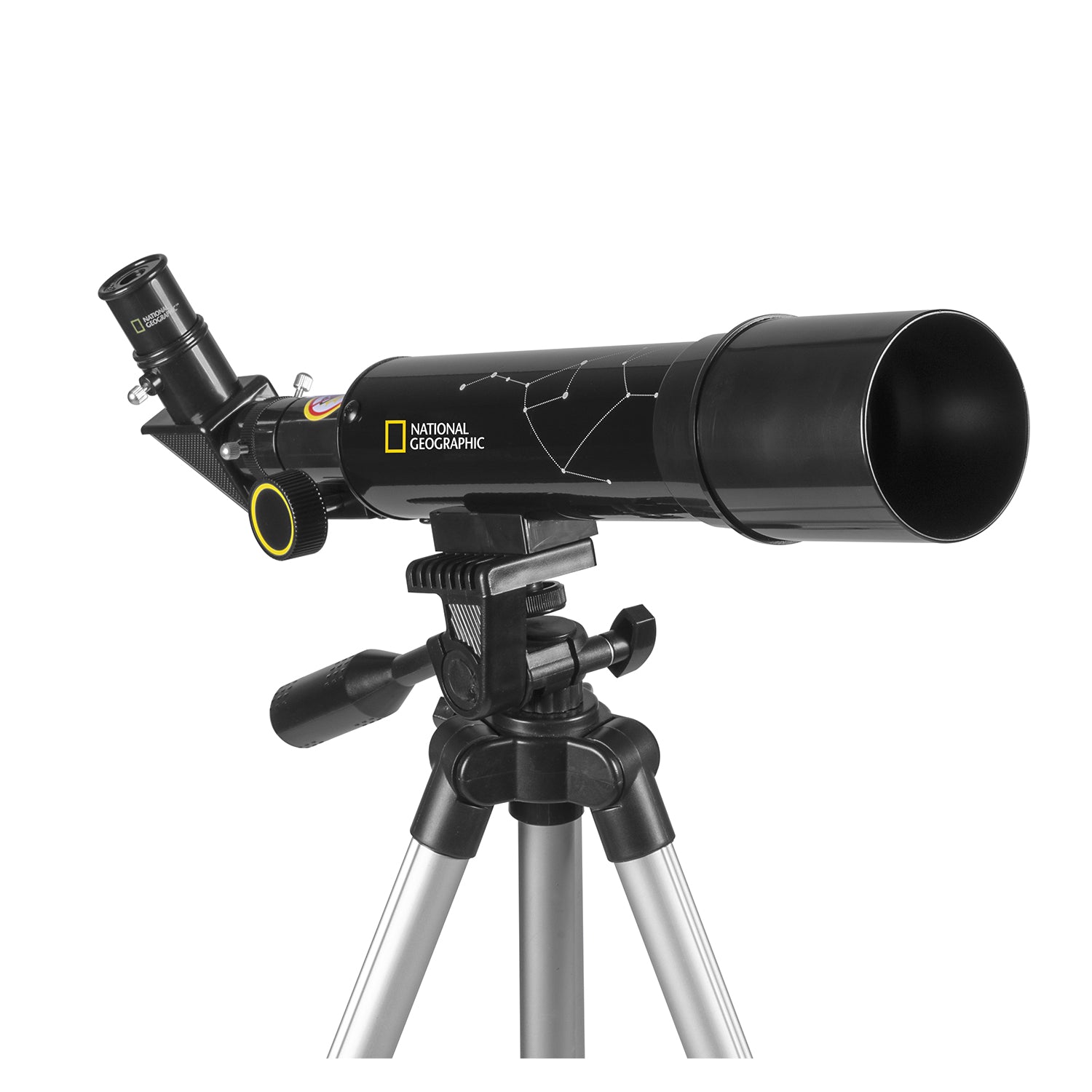
- Refractor telescopes use lenses to deliver crisp, high-contrast views ideal for lunar and planetary details with minimal maintenance.
- Reflector telescopes use mirrors to gather light economically, making them excellent for deep-sky observing like galaxies and nebulae.
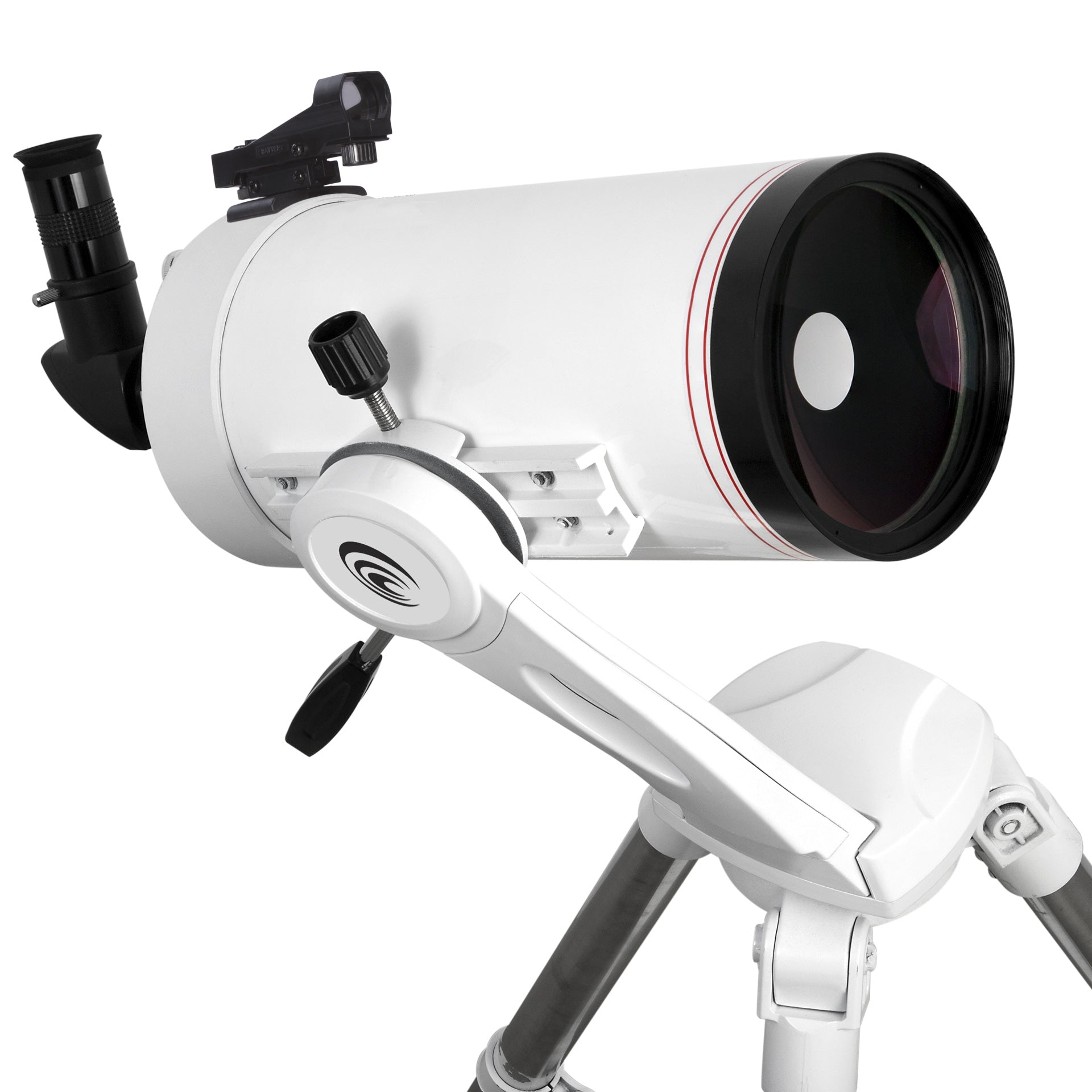
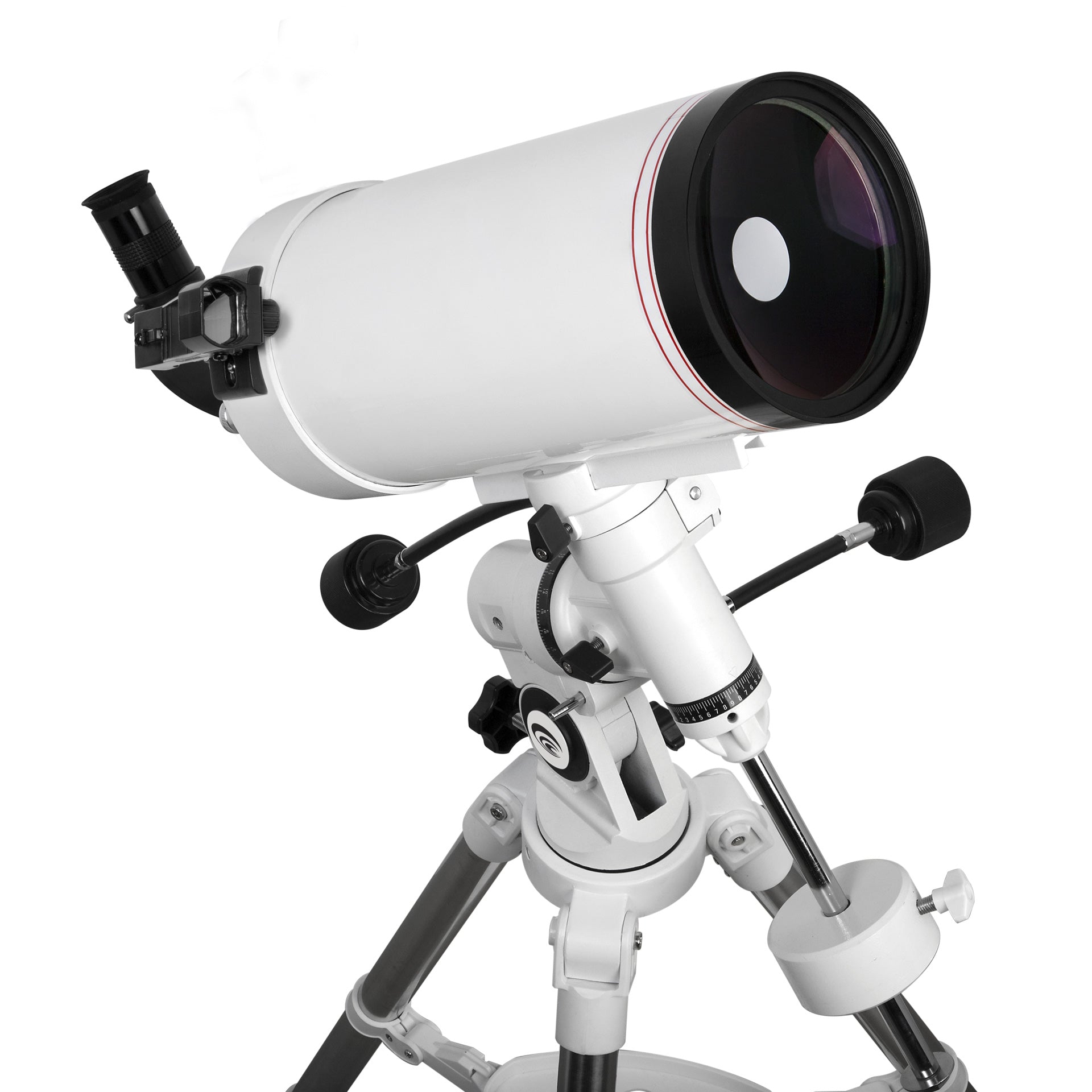
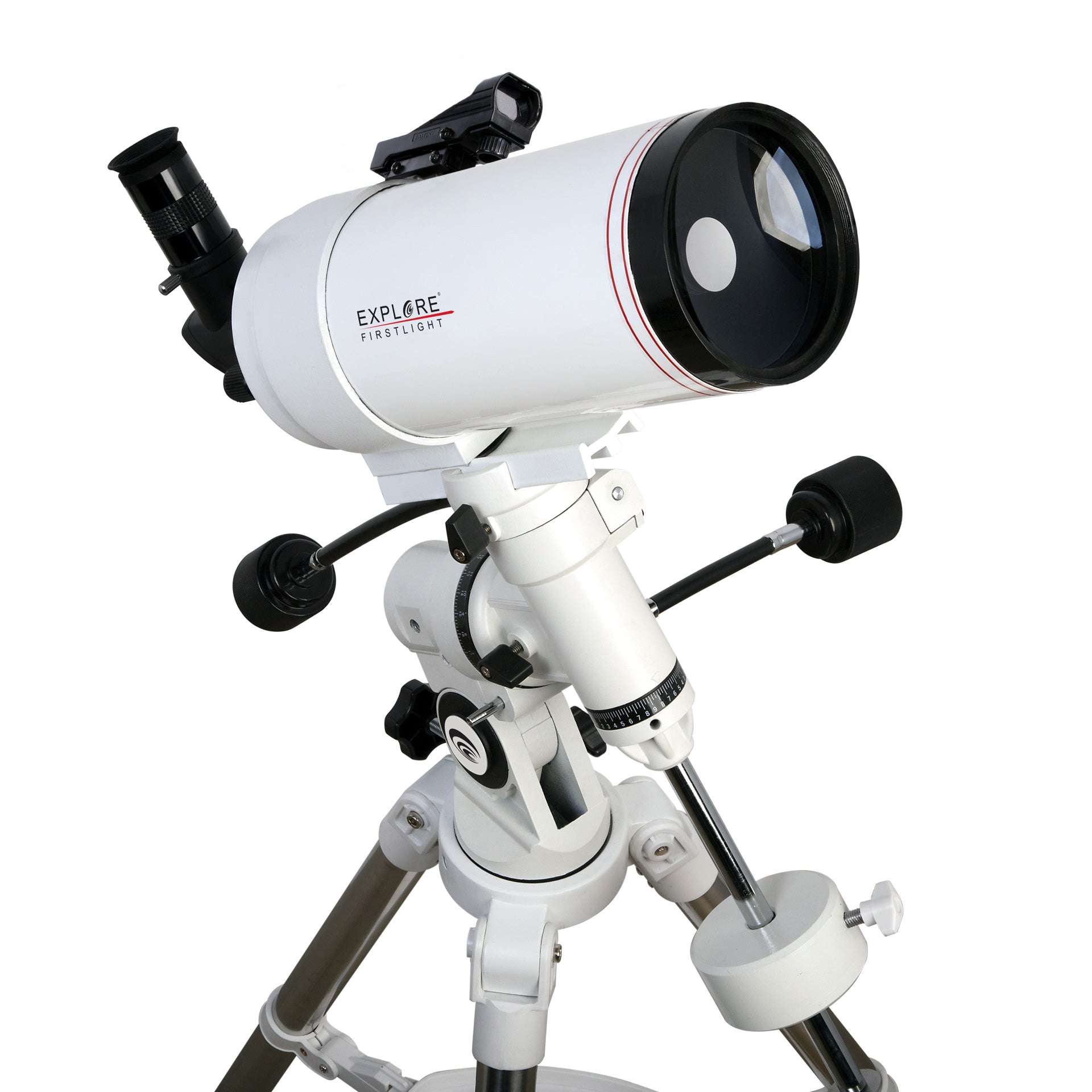
- Compound designs (such as Maksutov-Cassegrain models) balance focal power and compactness for versatile observing.
Choosing the right optical design helps ensure the best performance for your personal astronomy goals.
A telescope’s aperture, the diameter of its primary lens or mirror, is the most important spec for performance. Larger apertures gather more light, which translates into brighter images and the ability to see fainter stars, nebulae, and distant galaxies. Increased aperture also improves resolution, revealing finer detail on planets and the Moon.
If you’re planning to observe deep-sky targets or want maximum detail from your telescope, larger apertures will make a noticeable difference.
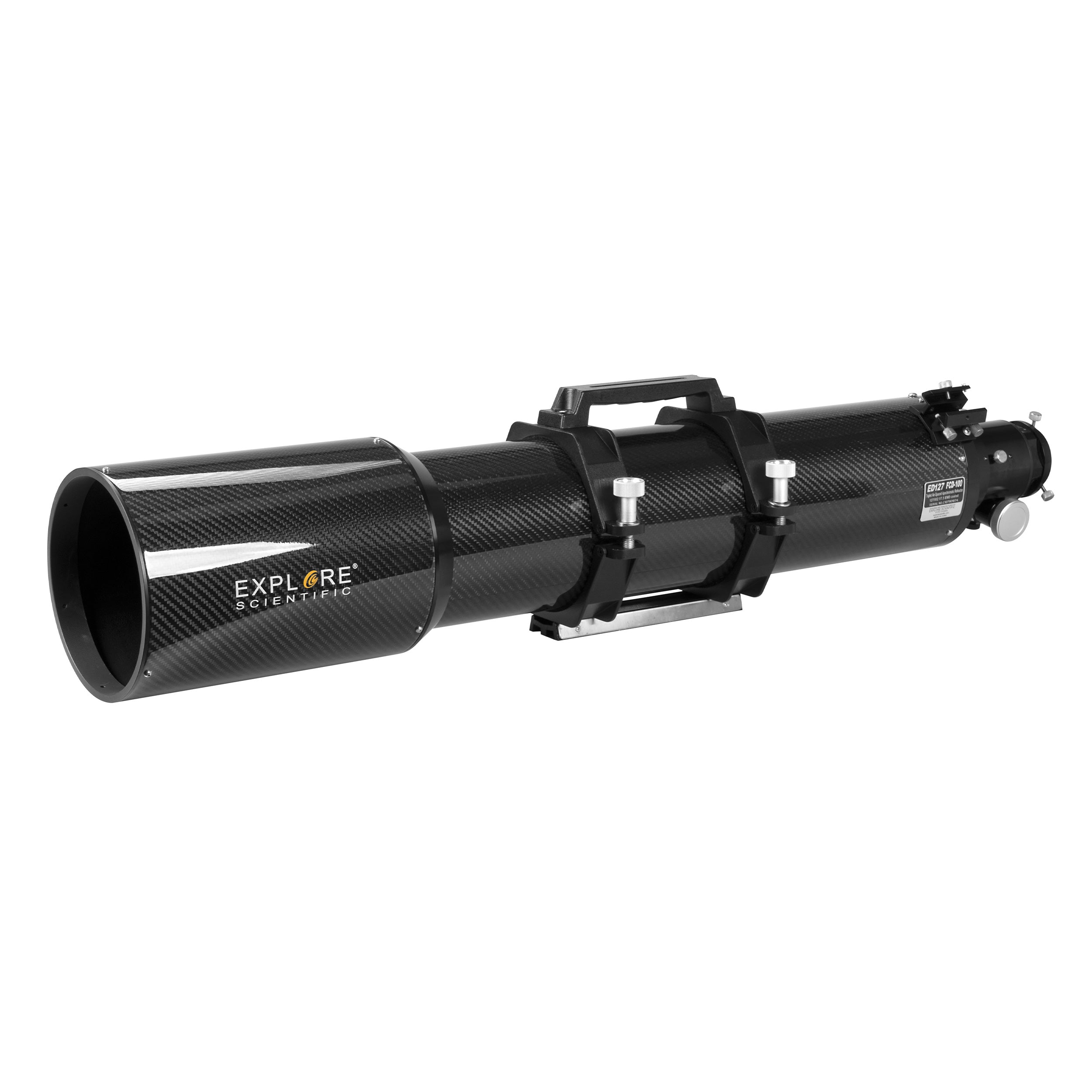
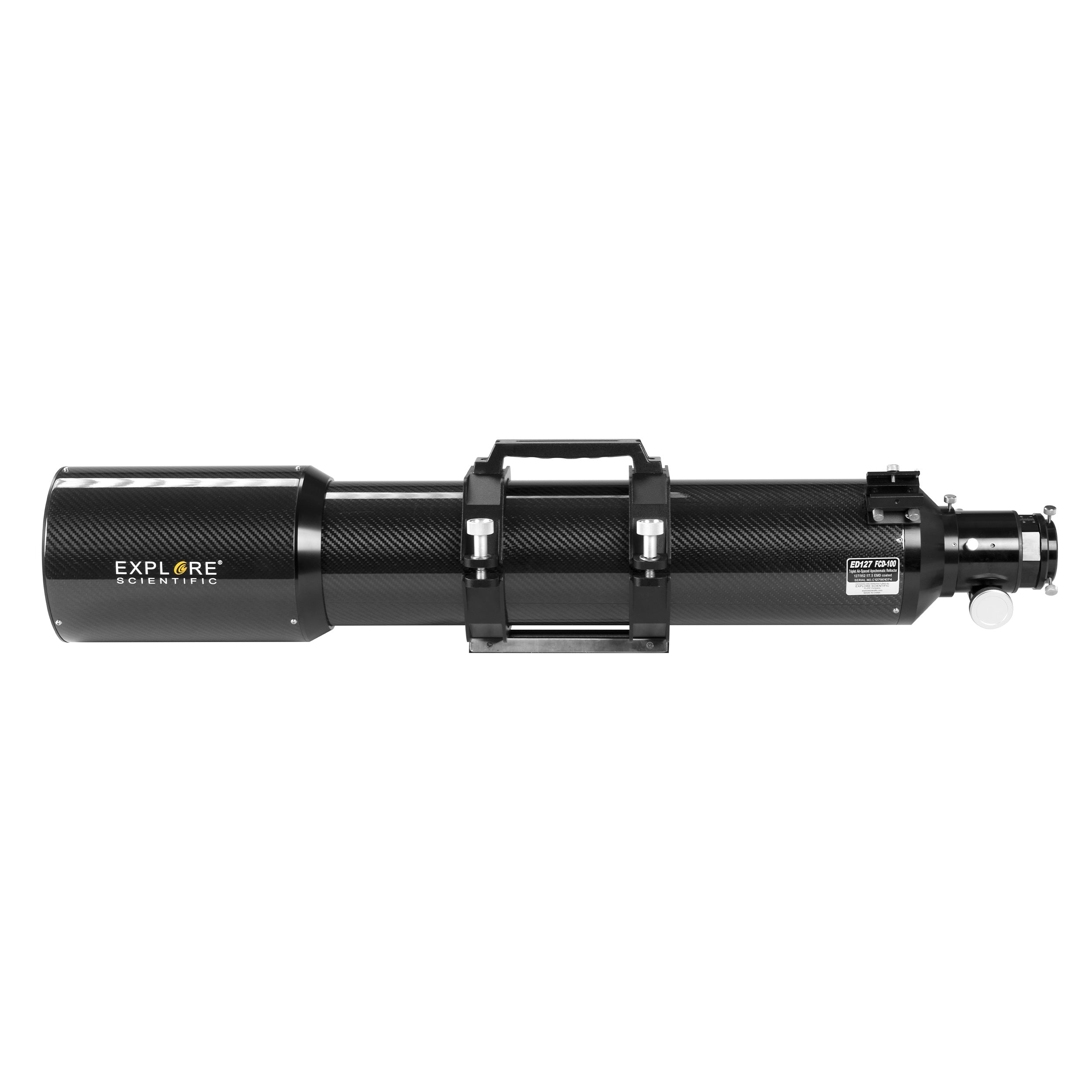
Refractor telescopes are prized for their simplicity and low maintenance. Because they use lenses to focus light, there’s no need to frequently align mirrors (a process called collimation). Their straightforward optical path produces crisp, high-contrast views of the Moon, planets, and double stars, and many refractors are great choices for astrophotography.
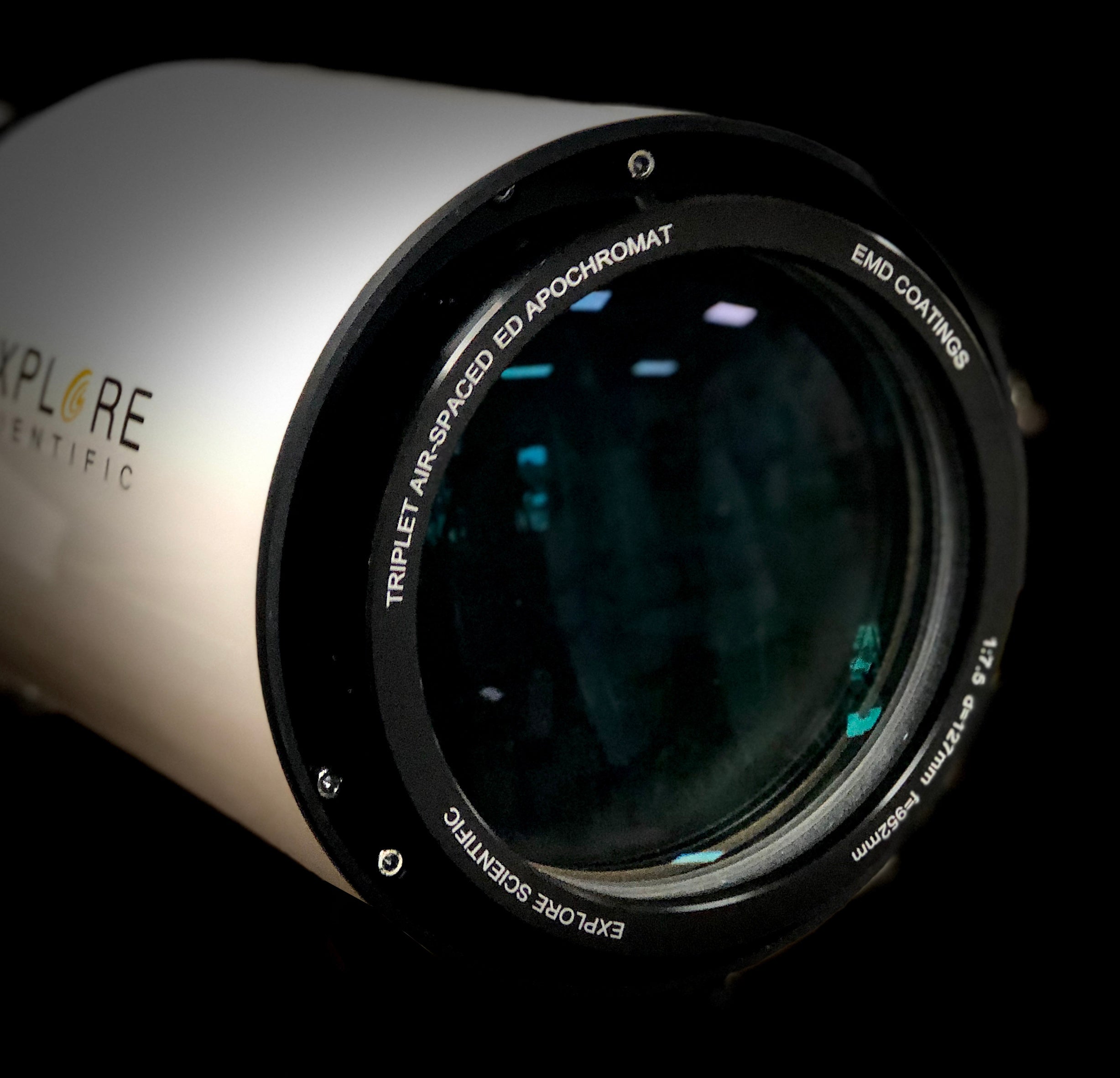
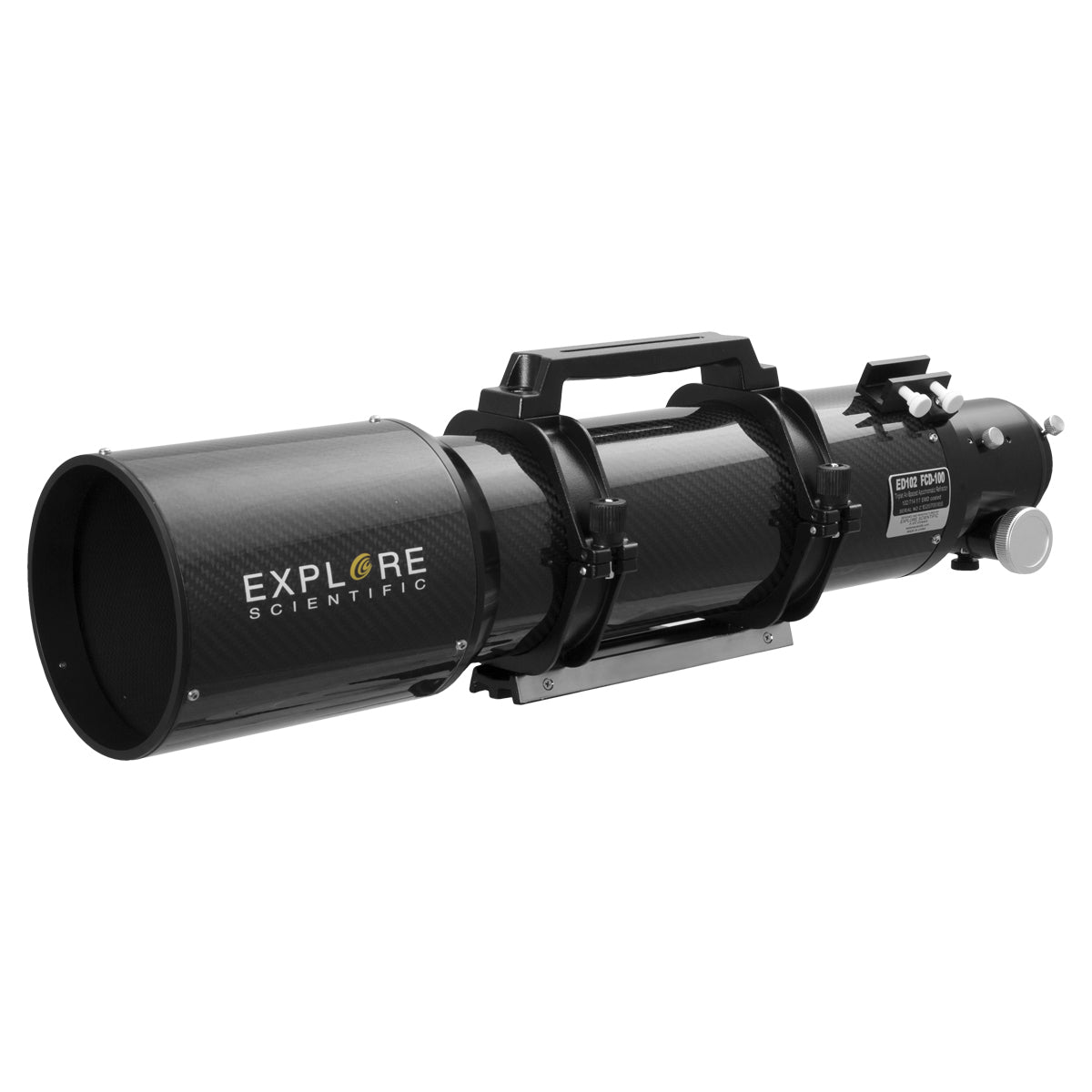
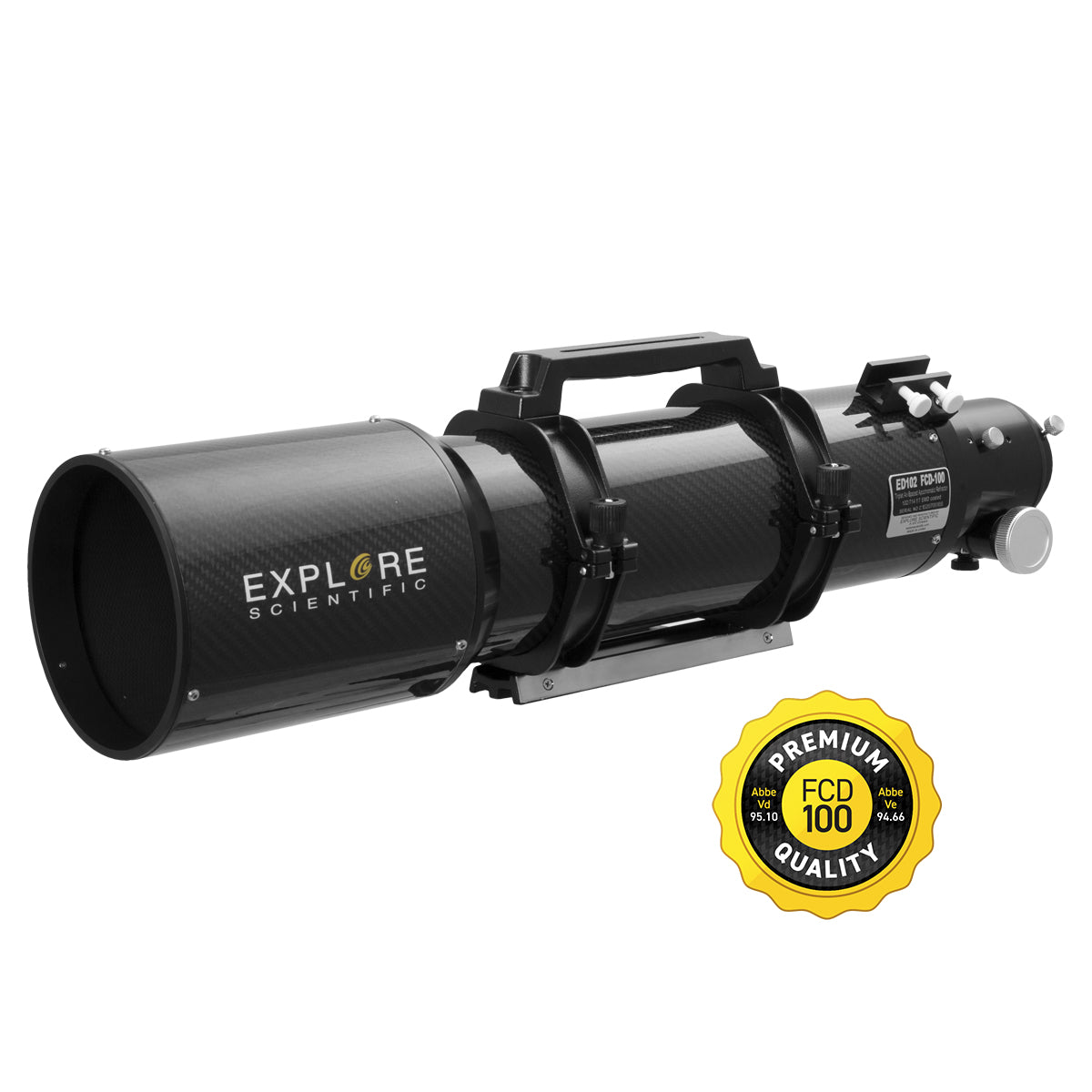
Explore Scientific refractors include both doublet and ED triplet designs, the latter of which reduces chromatic aberration for even sharper, color-accurate views.
Reflecting telescopes use mirrors instead of lenses and are a favorite choice for deep-sky observing and larger apertures at a lower cost per inch. They are especially popular for viewing faint galaxies, star clusters, and nebulae because mirrors can be made large more economically than lenses.
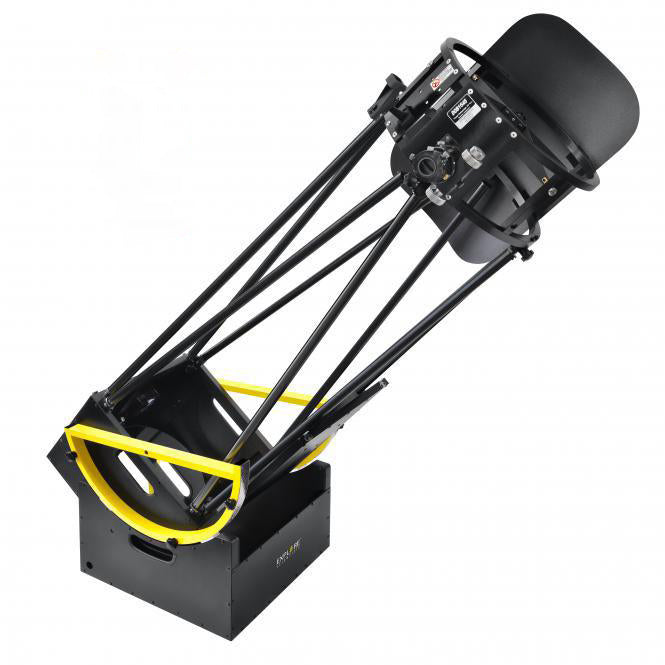
Dobsonian reflectors combine a simple, stable mount with a large primary mirror, making them one of the most user-friendly options for exploring the night sky.
The mount you choose plays a big role in how you observe.
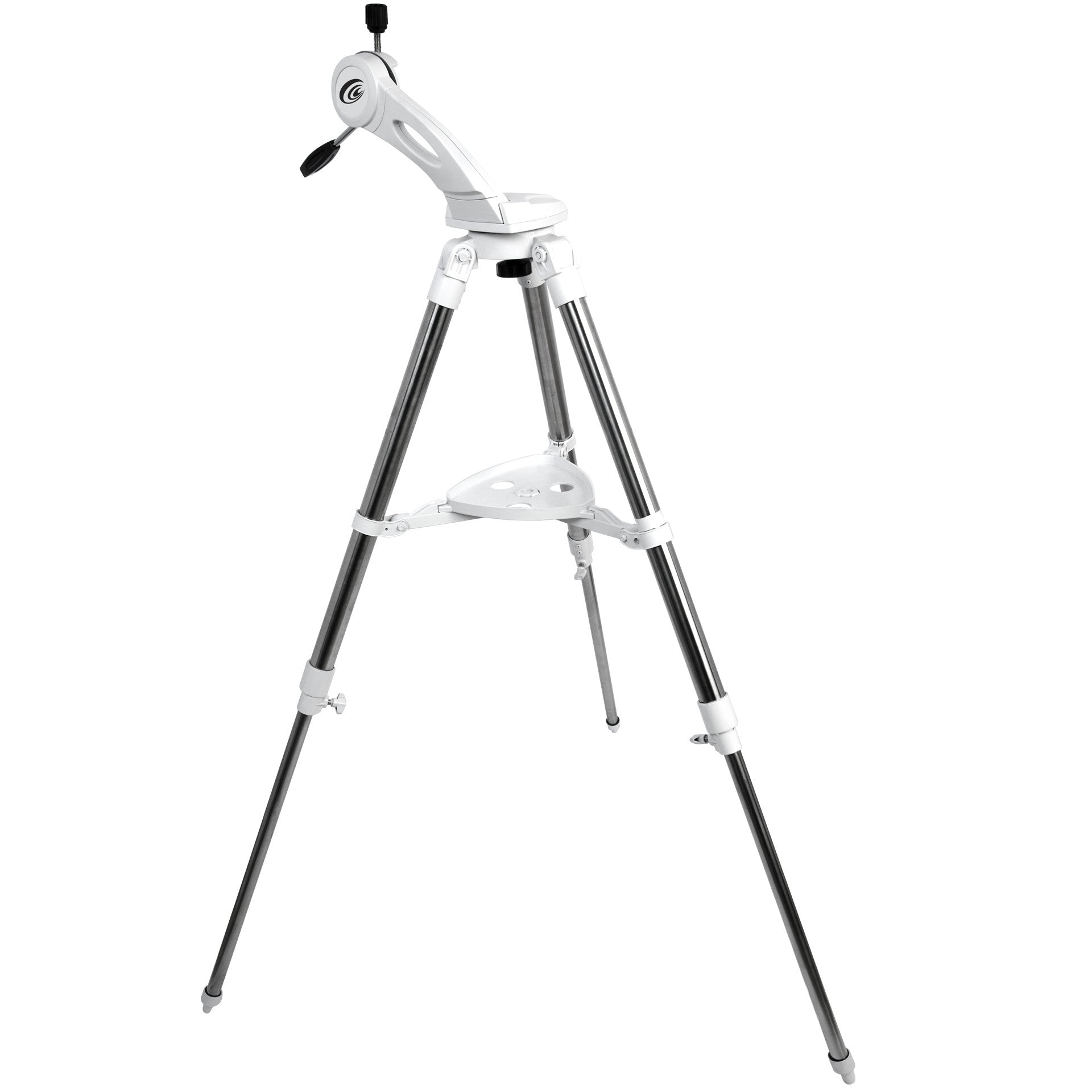
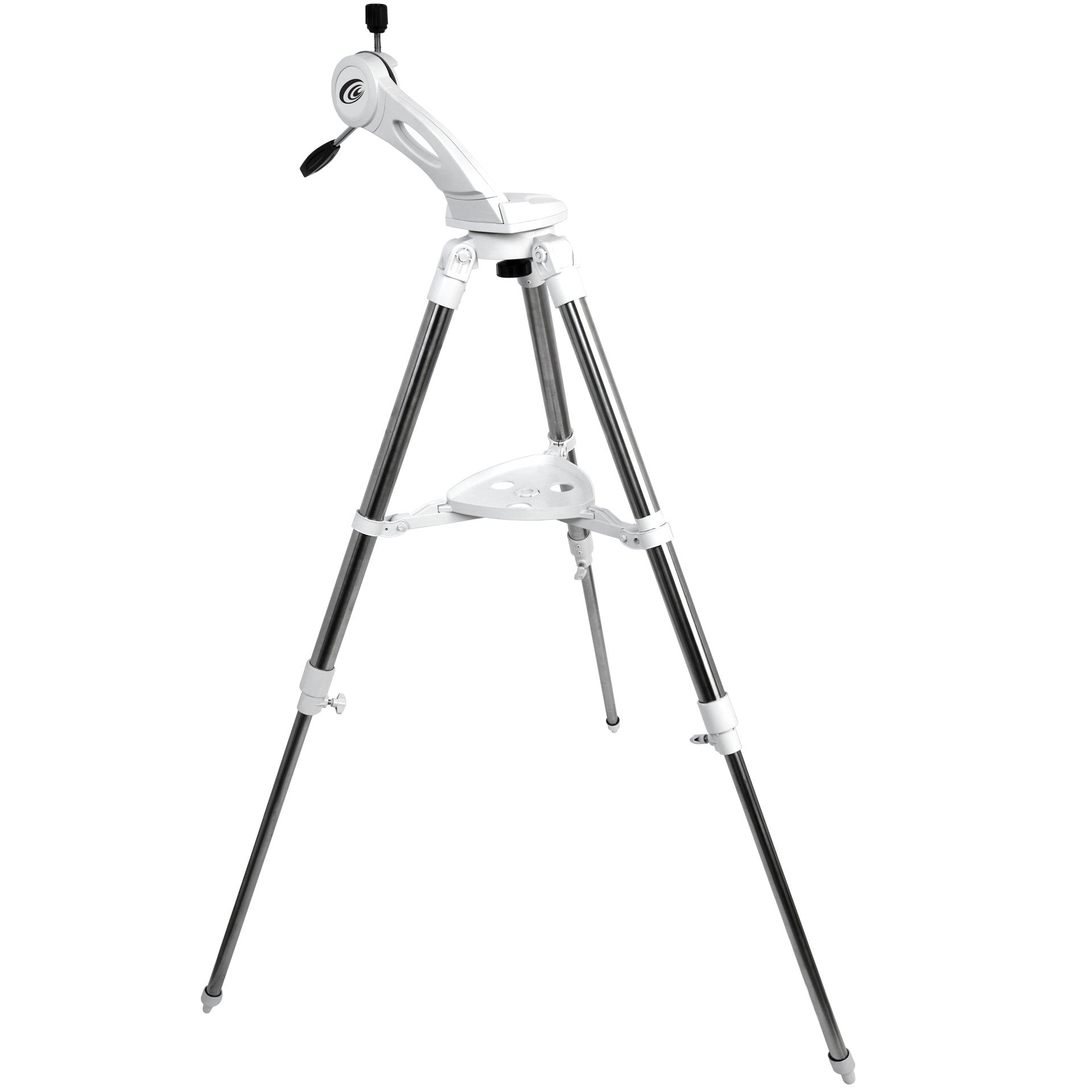
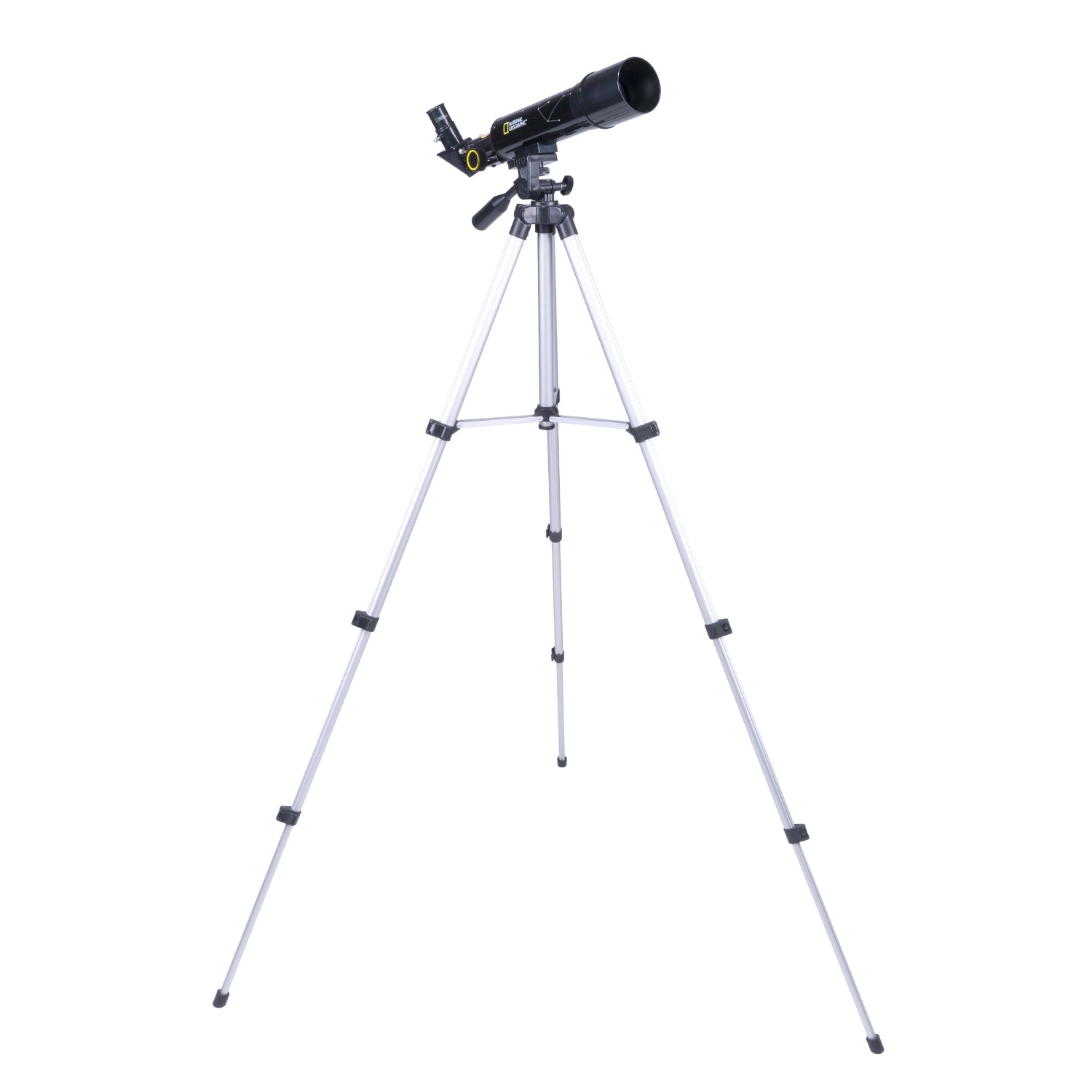
- Alt-azimuth mounts move up/down and left/right, intuitive and easy for visual observing.
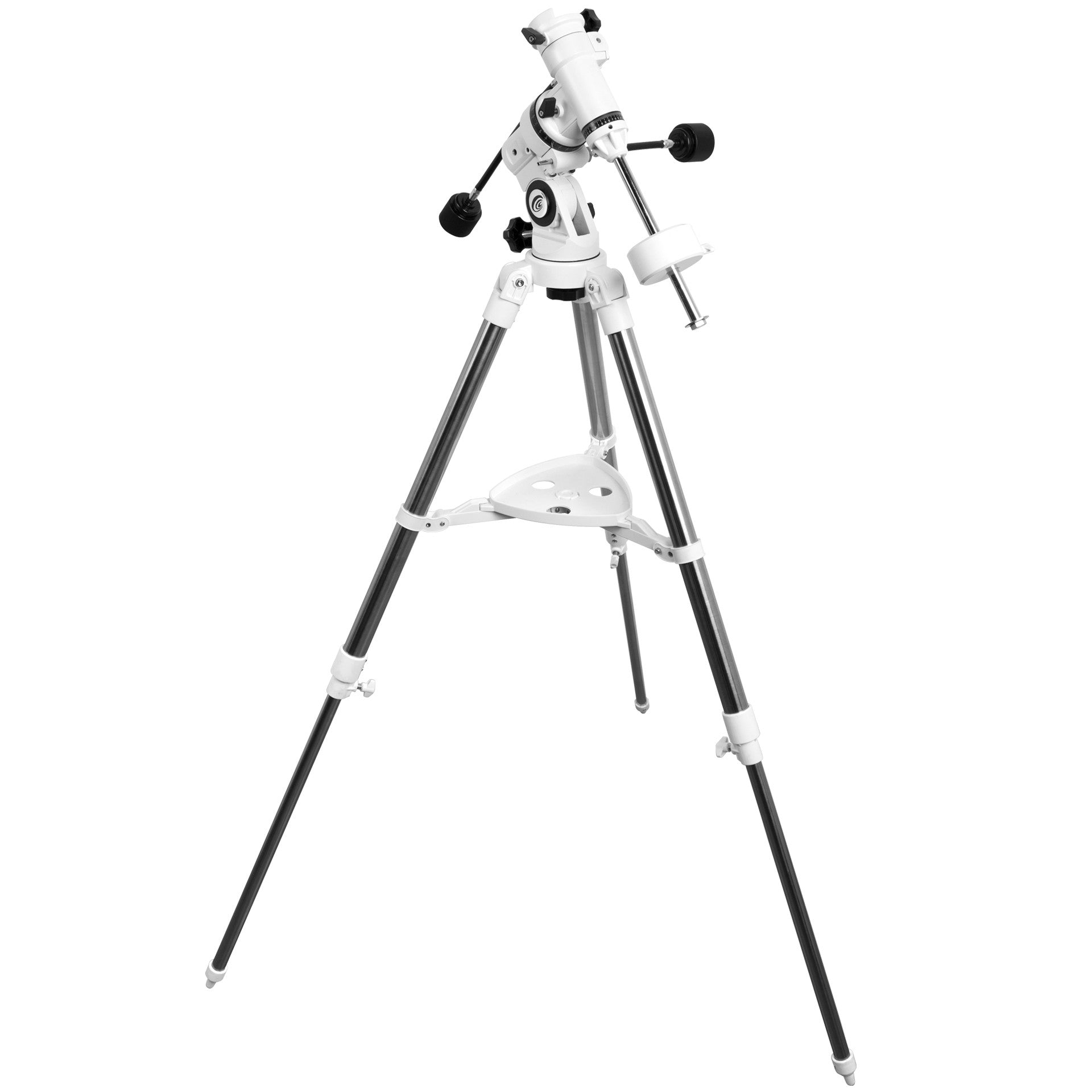
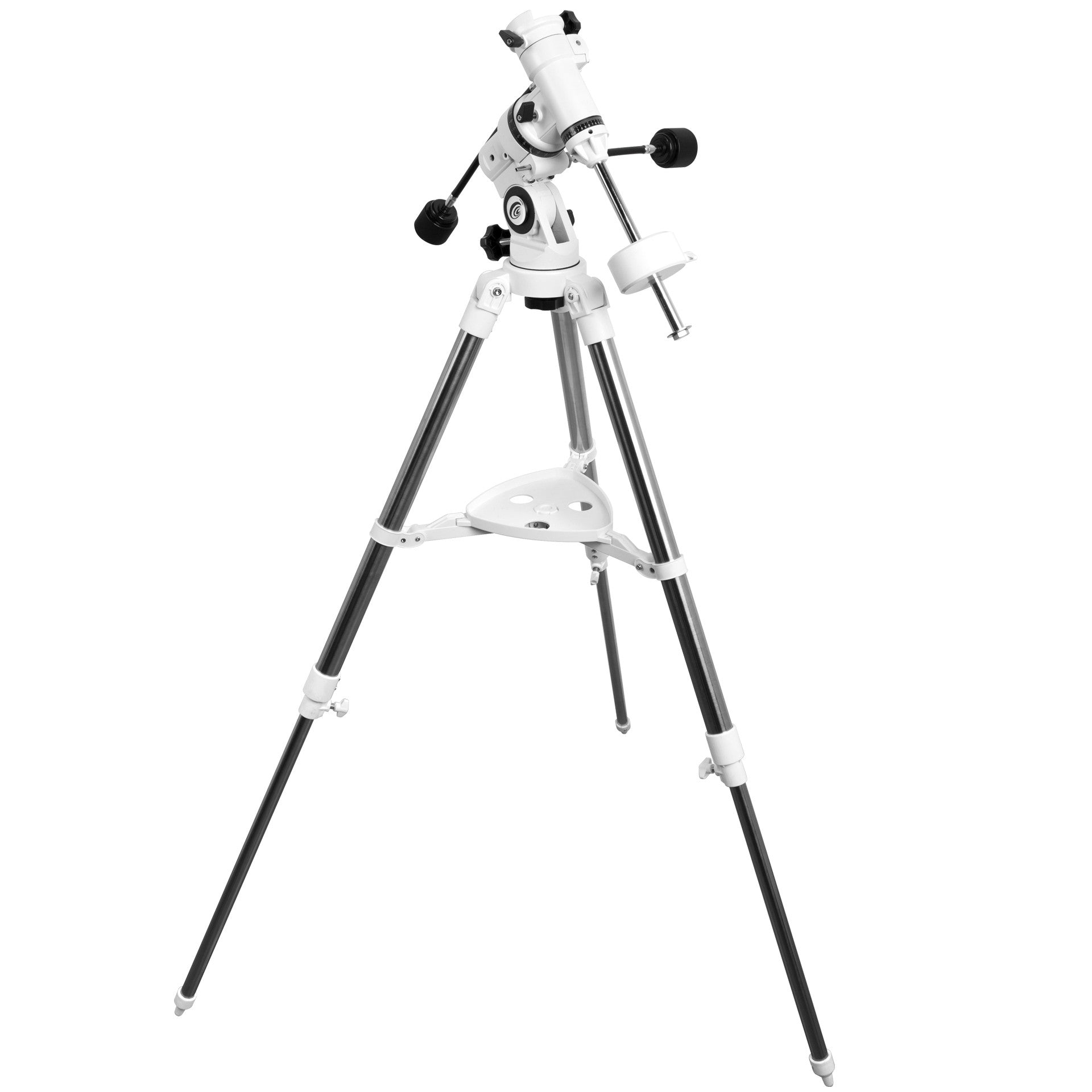
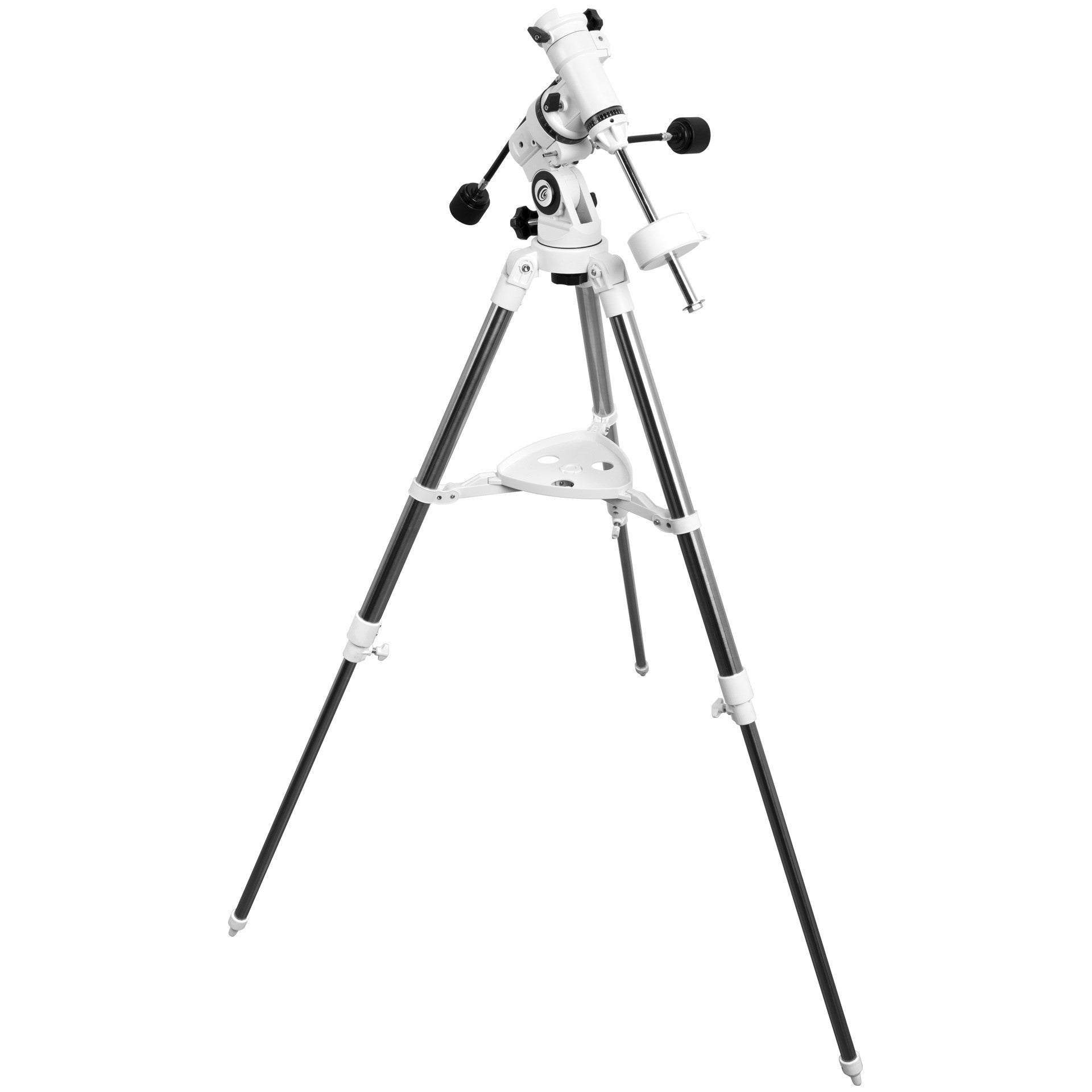
- Equatorial mounts are aligned with Earth’s axis and make tracking celestial objects smoother as they move across the sky.
- GoTo systems add computerized object location and tracking, so you can automatically find planets, stars, and deep-sky objects.
Matching the mount type to your observing style can significantly enhance your experience.
Your telescope’s performance can be amplified with a few key accessories:
- Eyepieces with different focal lengths let you adjust magnification for lunar, planetary, or deep-sky observing.
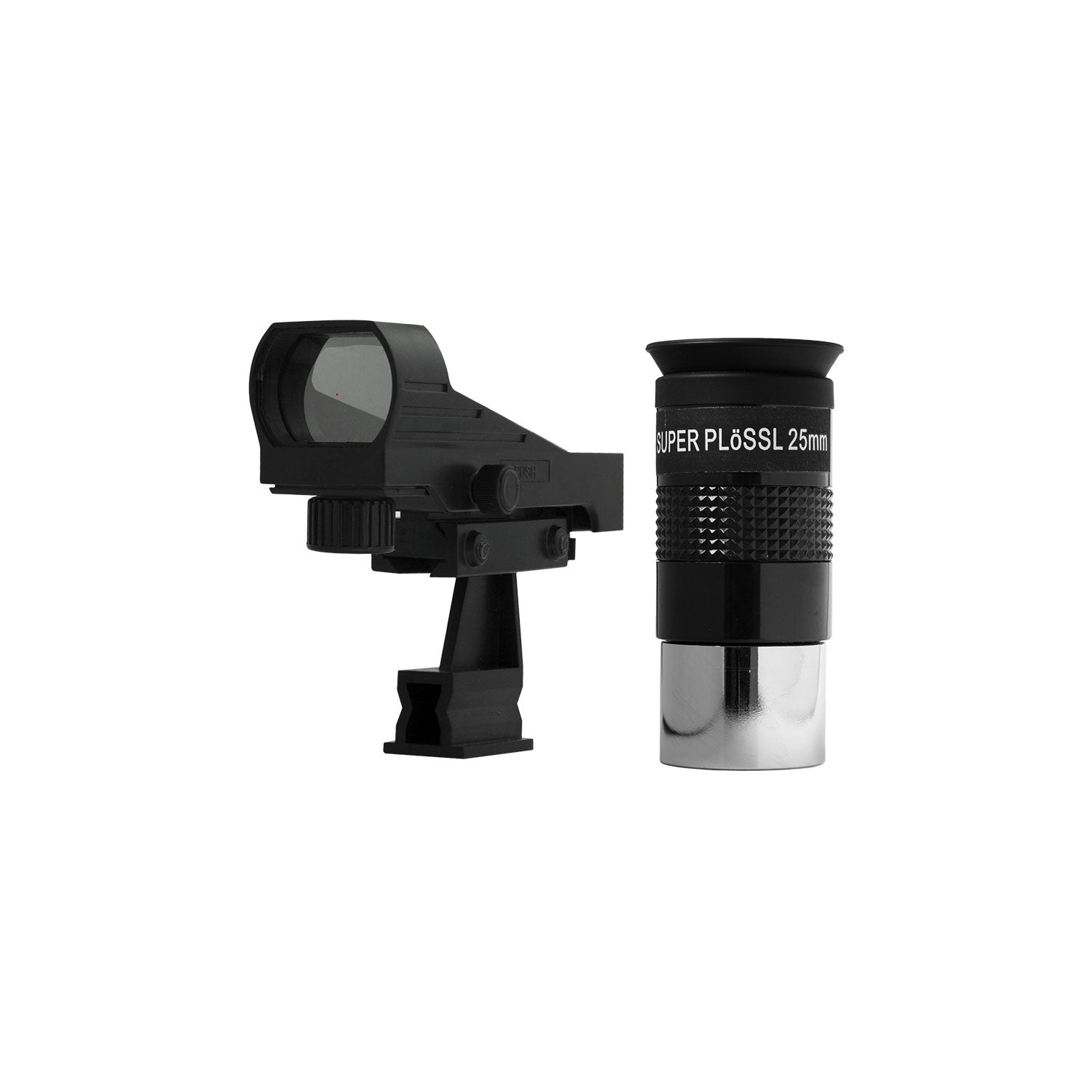
- Finderscopes help you quickly center targets before viewing through the main telescope.
- Barlow lenses effectively double your range of magnifications with minimal cost.
Even simple filters can enhance contrast on planetary features or reduce sky glow in light-polluted areas, helping you get the most out of every night under the stars.
If you’re new to astronomy, start with a telescope that balances power and ease of use. Refractors and smaller reflectors are often easier to set up, while Dobsonians offer excellent value for learning deep-sky observing without complex tracking systems. Consider your observing goals, lunar details versus deep-sky targets, and choose a design that’s optimized for your interests.
Not everyone wants a large rig or complex mount. Compact telescopes are ideal for quick observing sessions from your backyard or travel to dark-sky locations. Lightweight designs, like small refractors or tabletop reflectors, make it easier to enjoy astronomy on the go without sacrificing impressive views.
Good maintenance helps preserve optical performance. For refractors, occasional cleaning of the objective lens and proper dew protection is usually all that’s needed. Reflectors may need periodic collimation (aligning the mirrors) to ensure sharp views. Always cover and store your telescope in a dry, dust-free space, and use caps when not observing to protect optics.
Before heading outside, check the weather and let your telescope acclimate to the outdoor temperature. This improves optical performance and reduces heat currents inside the tube. Start with bright objects like the Moon or Jupiter, they’re easy to locate and offer stunning detail even on nights with less than perfect seeing conditions.
Entdecken Sie wissenschaftliche Teleskope