
Neuheiten
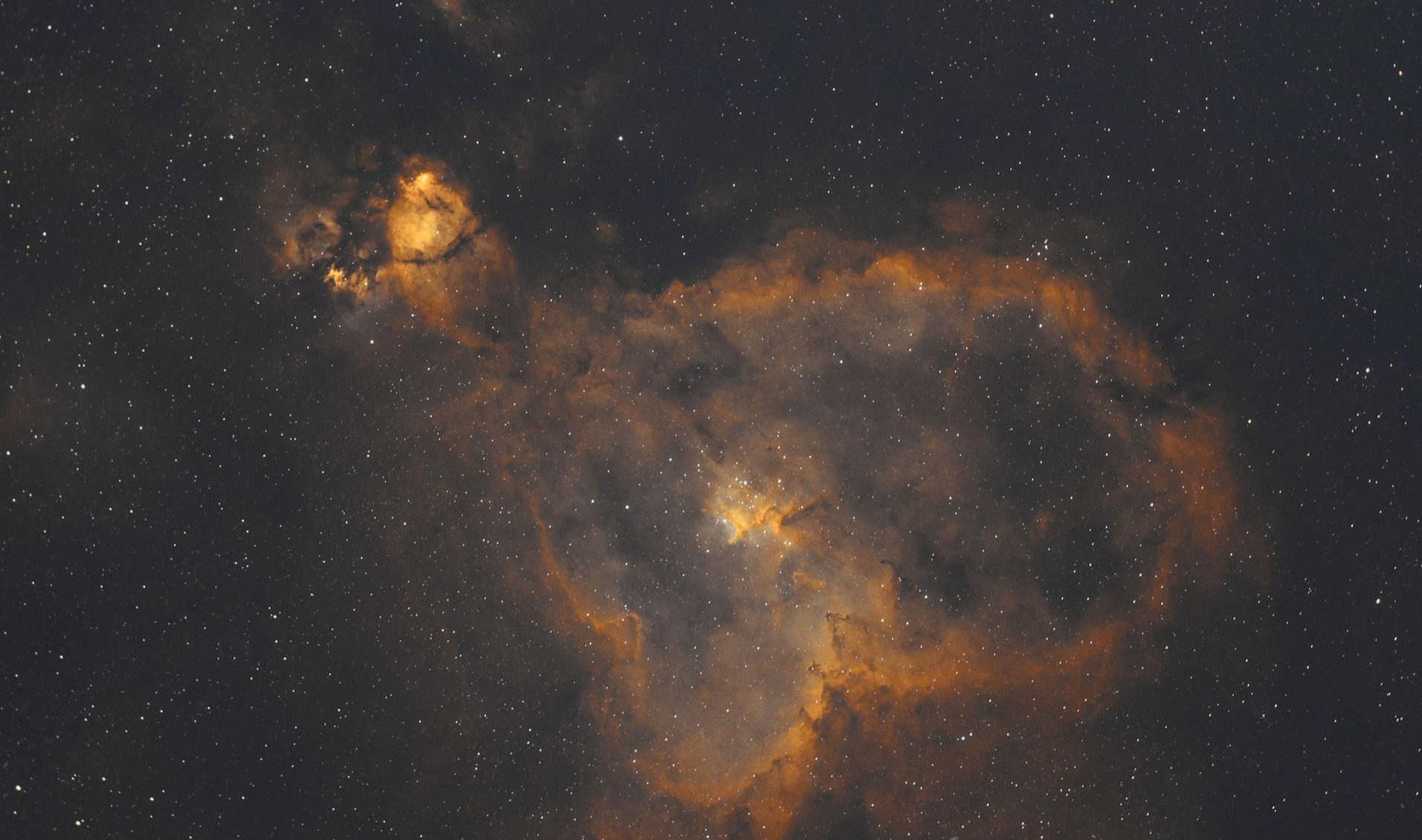
See planets, galaxies, and nebulae in stunning detail with optics engineered to go the distance. Whether you’re upgrading to a bigger aperture telescope or purchasing your first serious stargazing instrument, these models are engineered to provide bright, sharp views with intuitive setups and durable construction.
Filter
7 Produkte
Expert Tips from the Explore Scientific Team
Choosing the right large aperture telescope can feel overwhelming, especially when you’re comparing Dobsonian reflectors, Newtonian reflectors, aperture sizes, and mount types. Our team of astronomers and optics specialists put together the guidance below to help you understand what makes these new telescopes special, how aperture impacts performance, and which model might be the best fit for your stargazing goals.
When it comes to telescope performance, aperture is everything. The larger the primary mirror, the more light your telescope can gather, and light is what reveals detail in the night sky. A 10-inch Dobsonian reflector will collect significantly more light than a 6-inch model, allowing you to see fainter galaxies, more structure in nebulae, and finer detail in globular star clusters. Larger aperture telescopes also improve resolution, meaning sharper planetary detail on Jupiter’s cloud bands, Saturn’s rings, and lunar surface features. For deep-sky astronomy, increased light-gathering power transforms faint smudges into defined celestial objects with contrast and clarity. If your goal is serious backyard astronomy or dark-sky observing, moving up in aperture is one of the most impactful upgrades you can make.
A big aperture telescope means more light-gathering power. More light equals:
- Brighter deep-sky objects
- Better contrast and resolution
- More visible detail on Jupiter, Saturn, and Mars
- Enhanced views of faint galaxies and nebulae
- The ability to push magnification while maintaining clarity
Both Dobsonian and Newtonian reflector telescopes use mirrors to produce bright, high-contrast views without chromatic aberration, but their mounts create very different observing experiences.
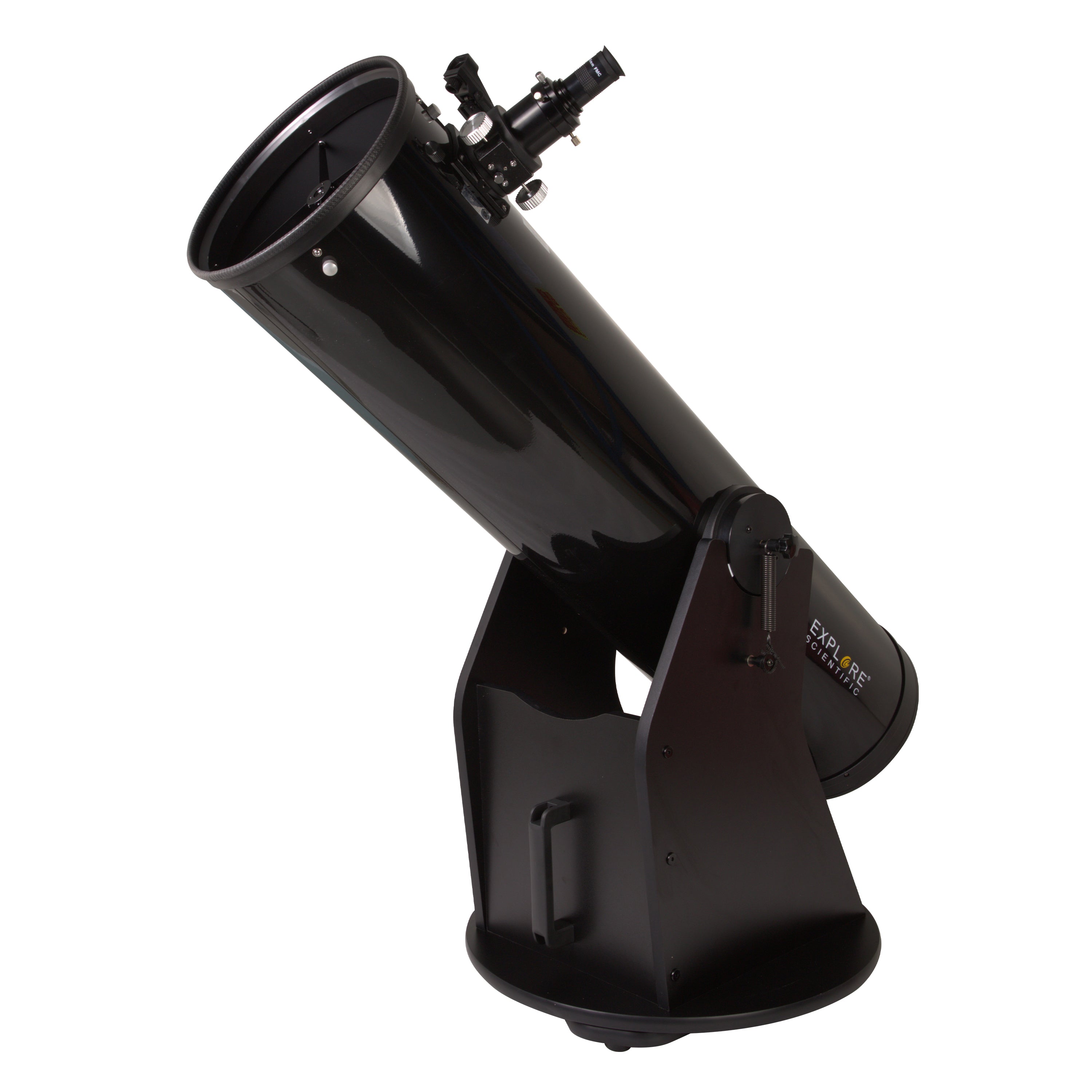
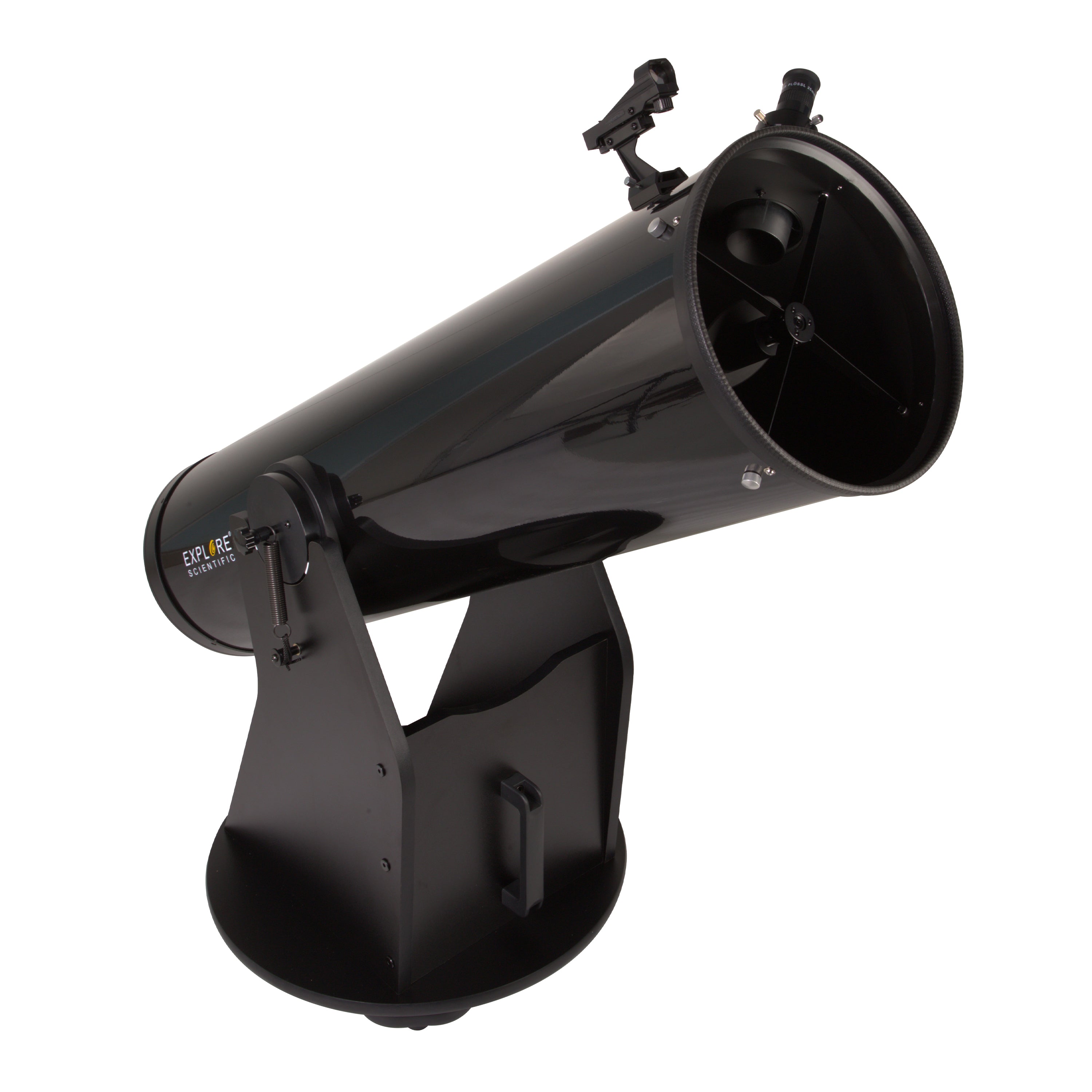
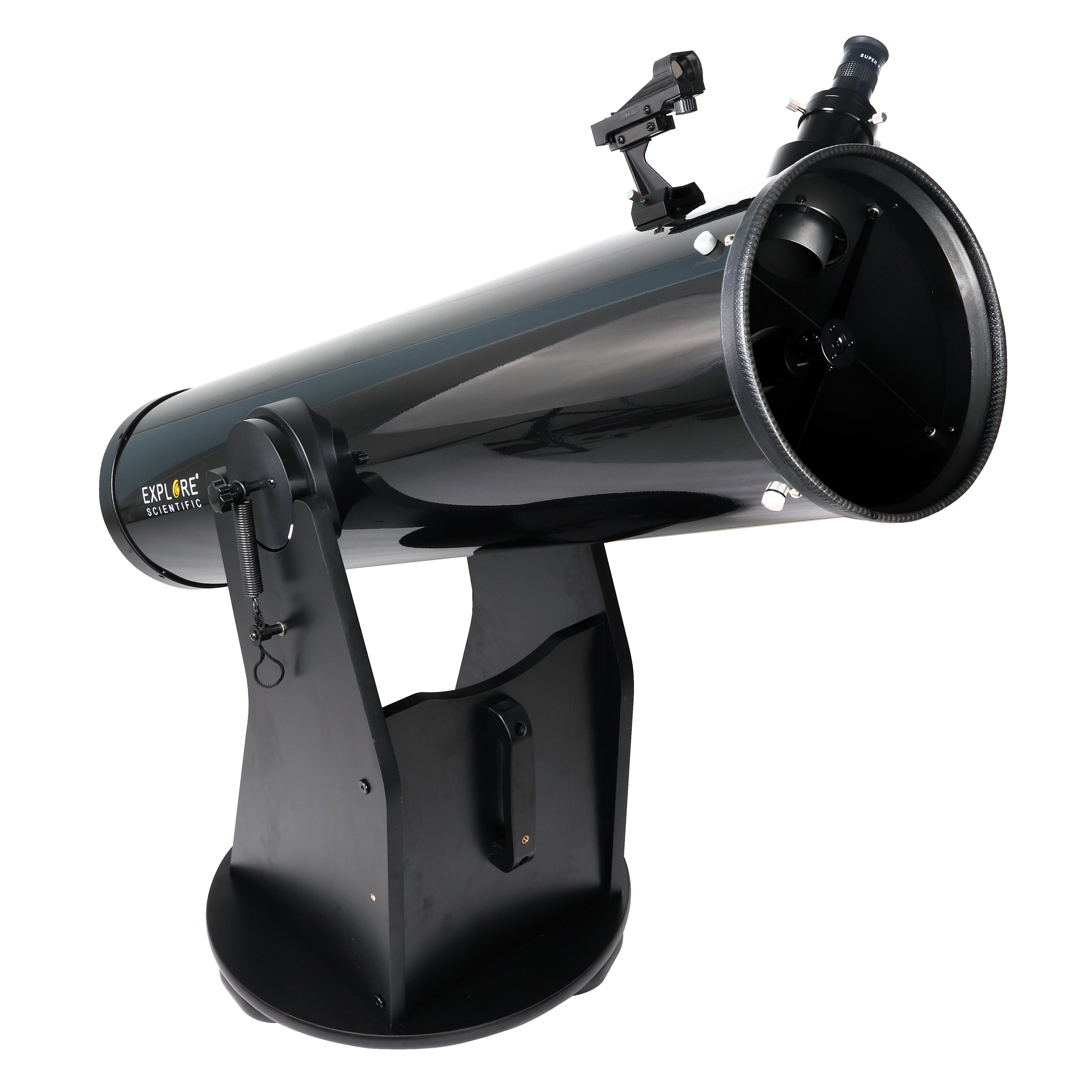
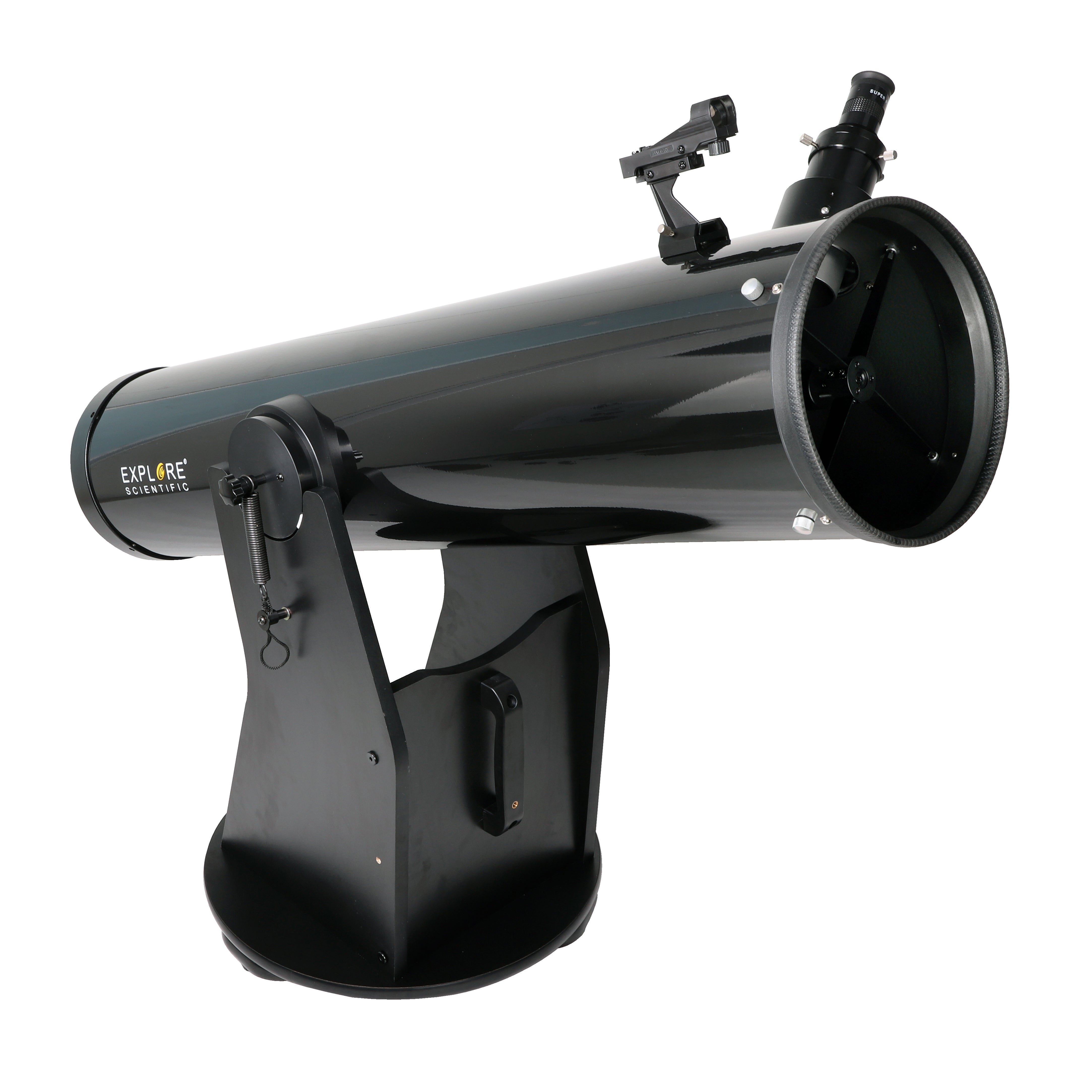
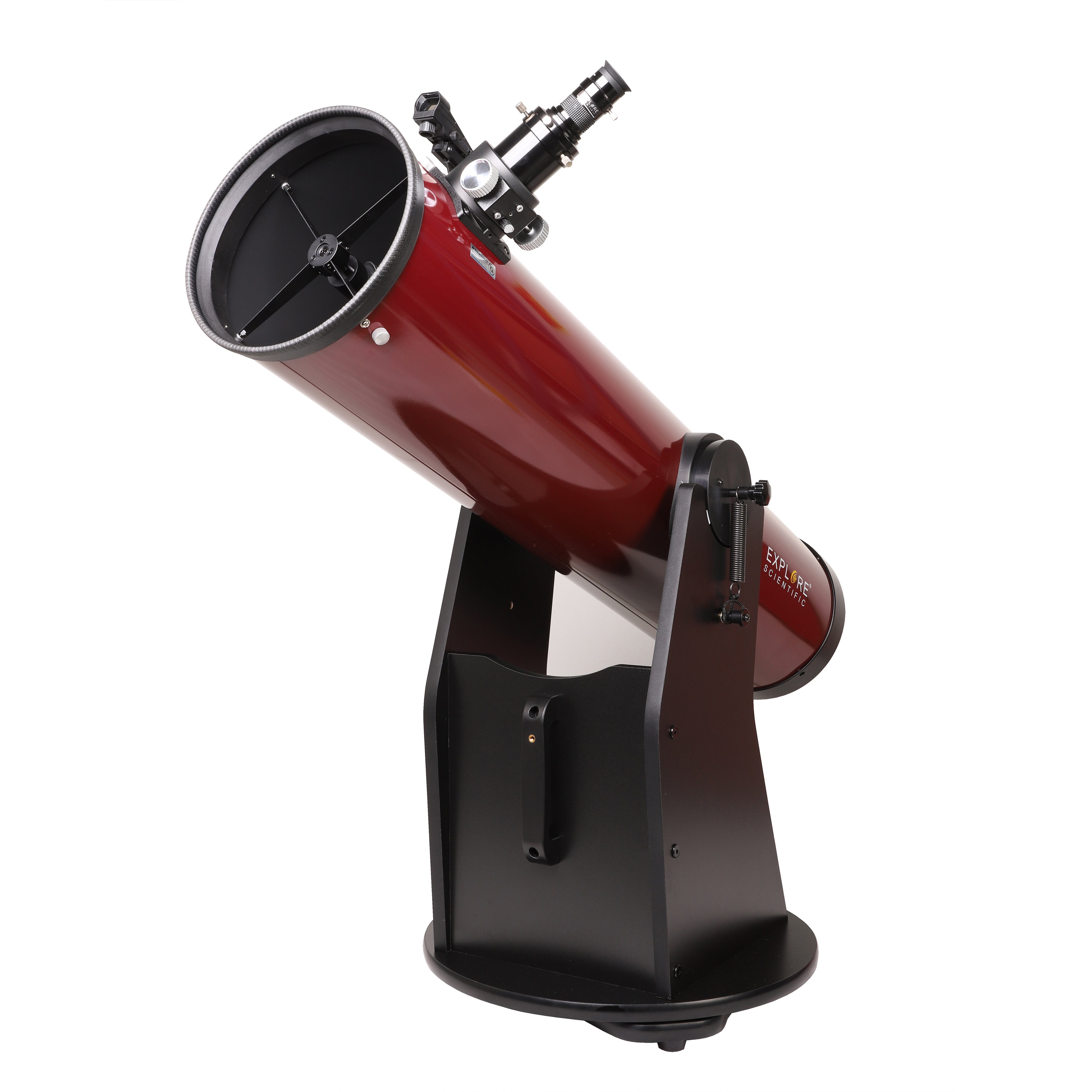
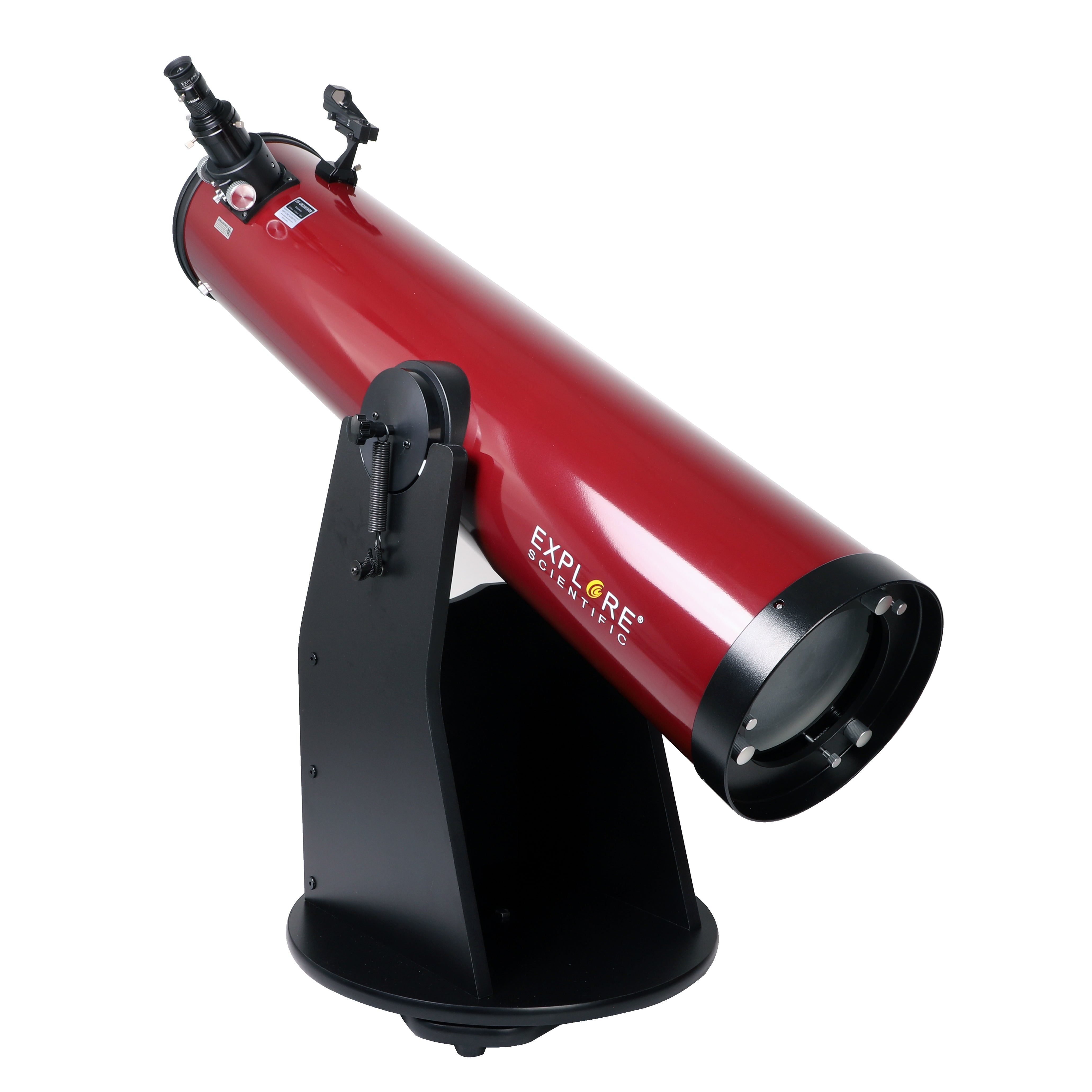
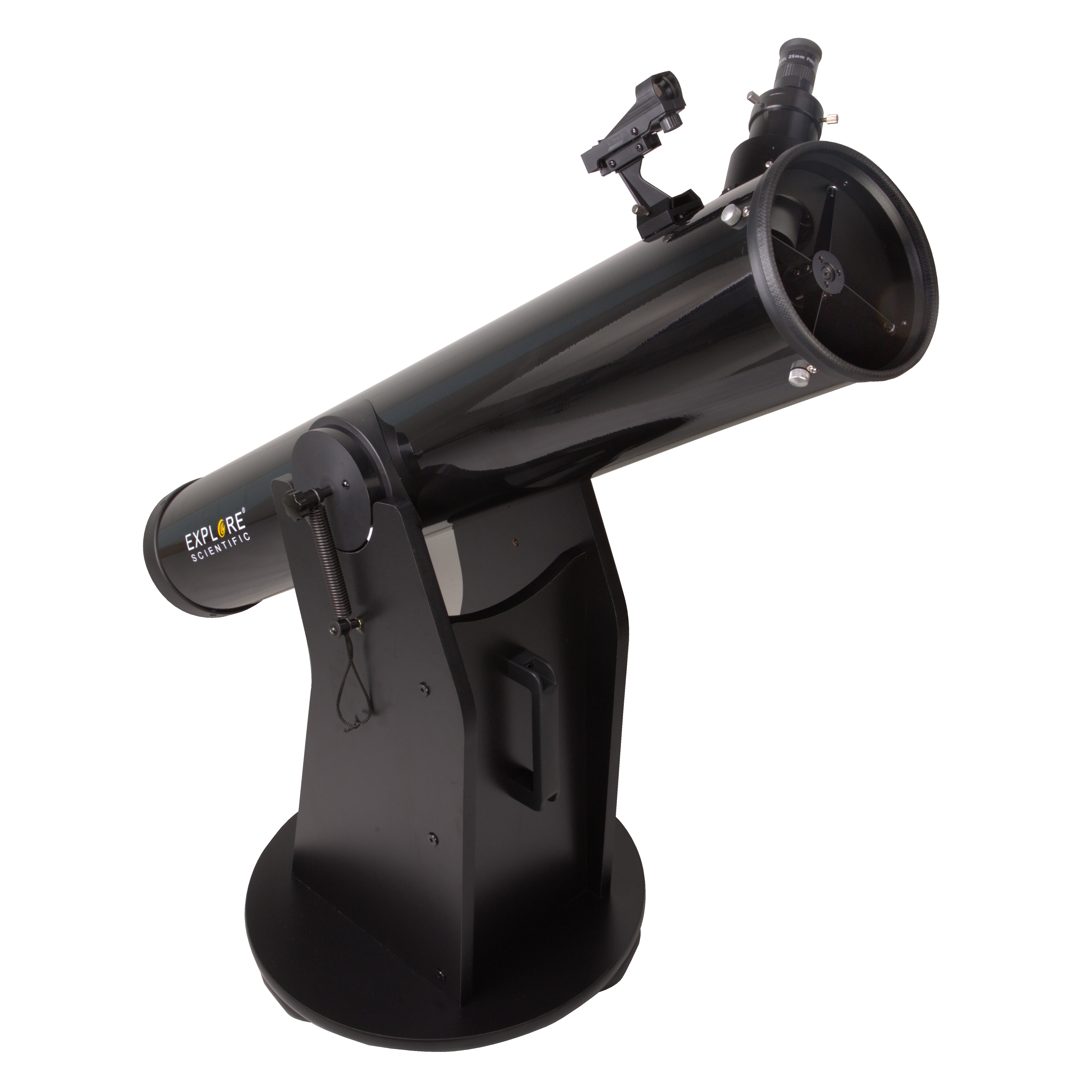
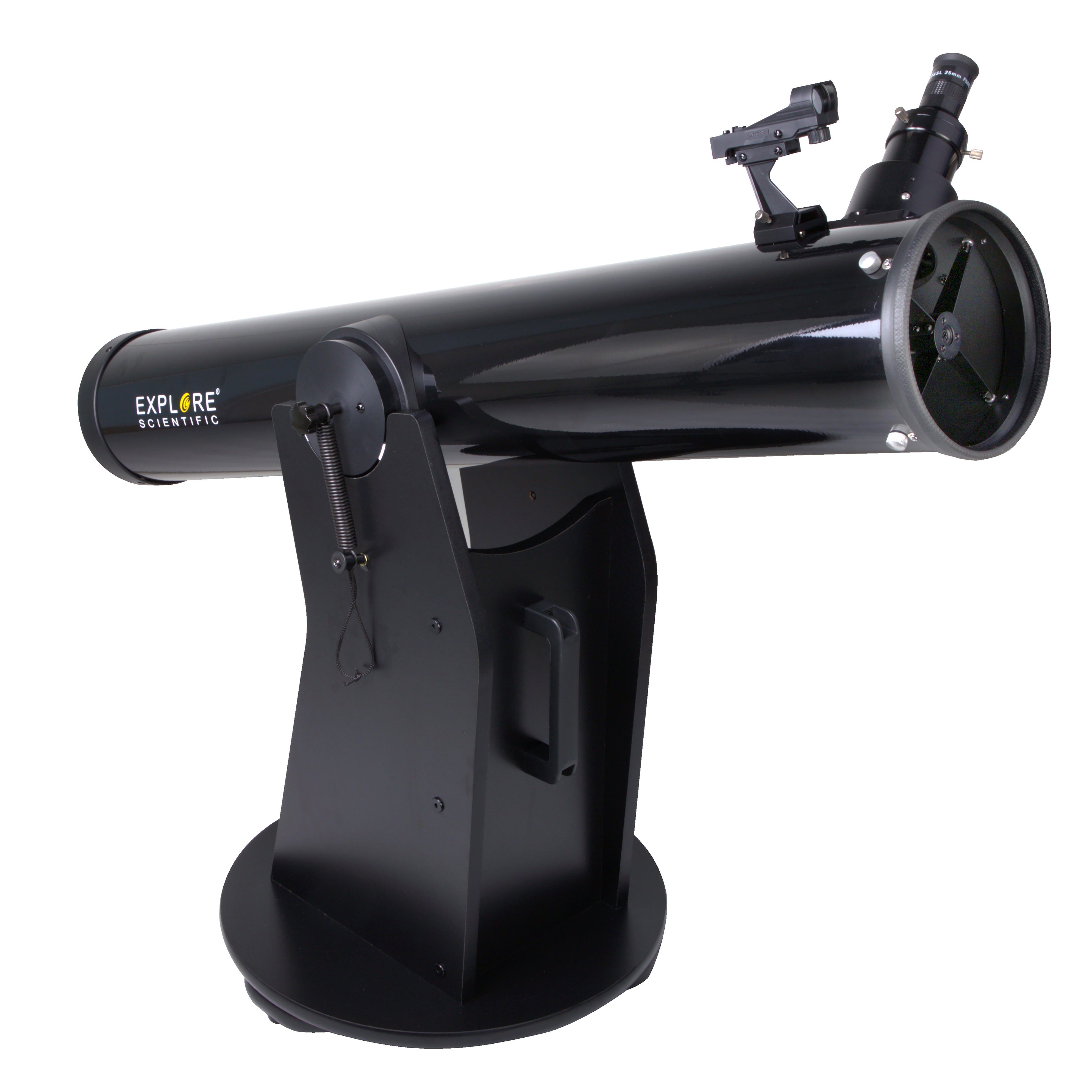
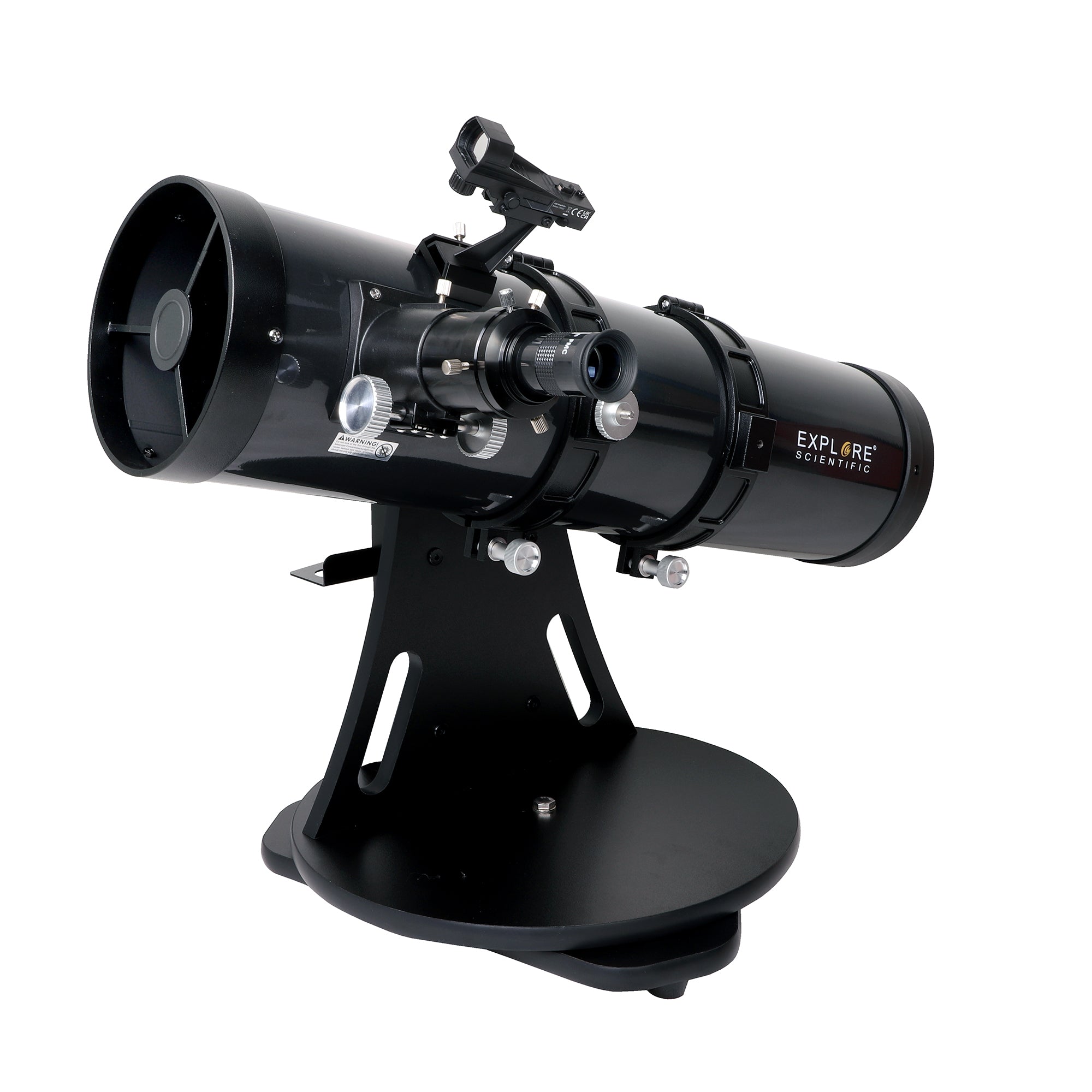
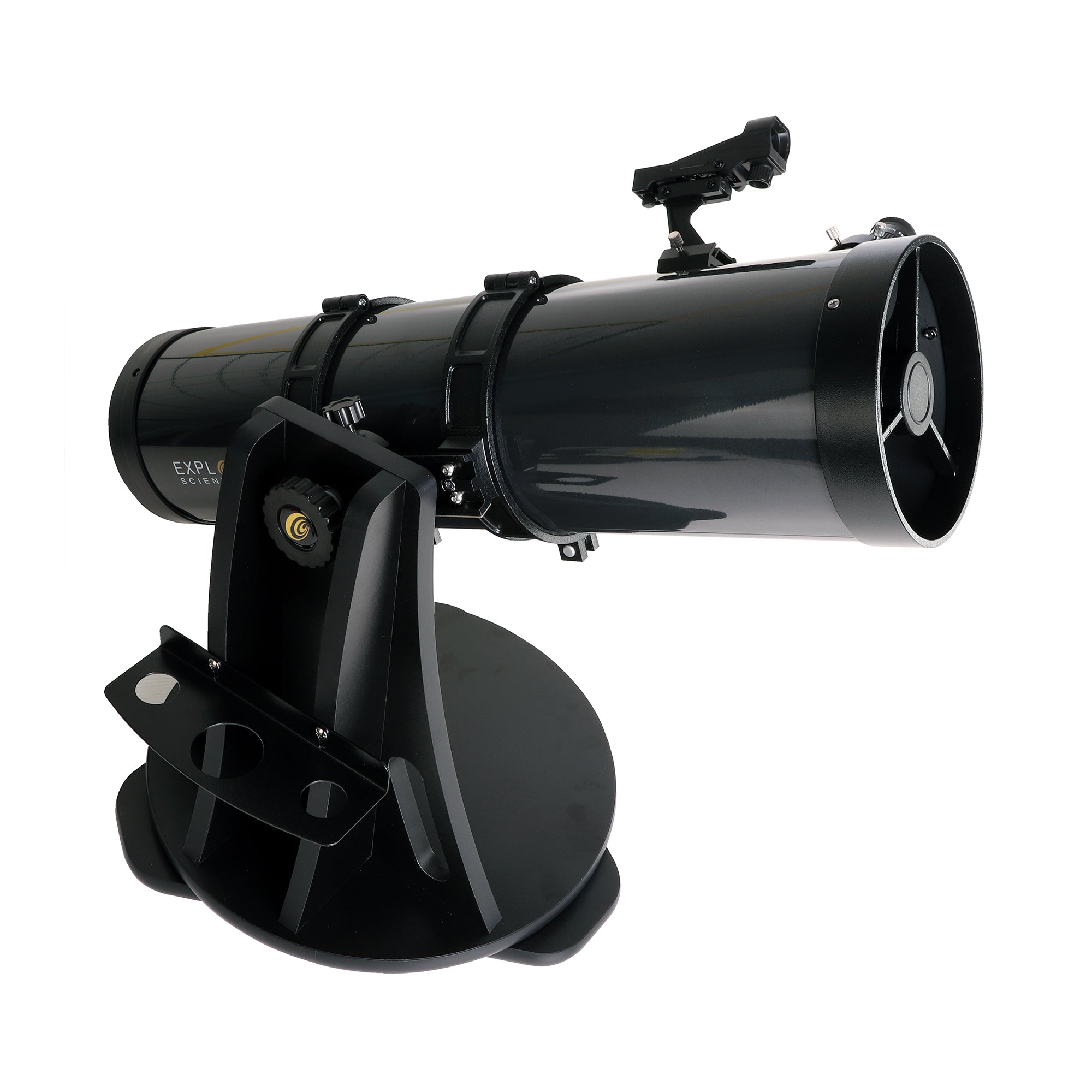
Dobsonian telescopes are known for their simplicity and stability. With an easy-to-use alt-az mount and large aperture at an accessible price point, they are ideal for deep-sky observers who want maximum light-gathering power with minimal setup. They are especially popular for 6-inch, 8-inch, and 10-inch reflector telescopes designed for galaxies, nebulae, and star clusters.
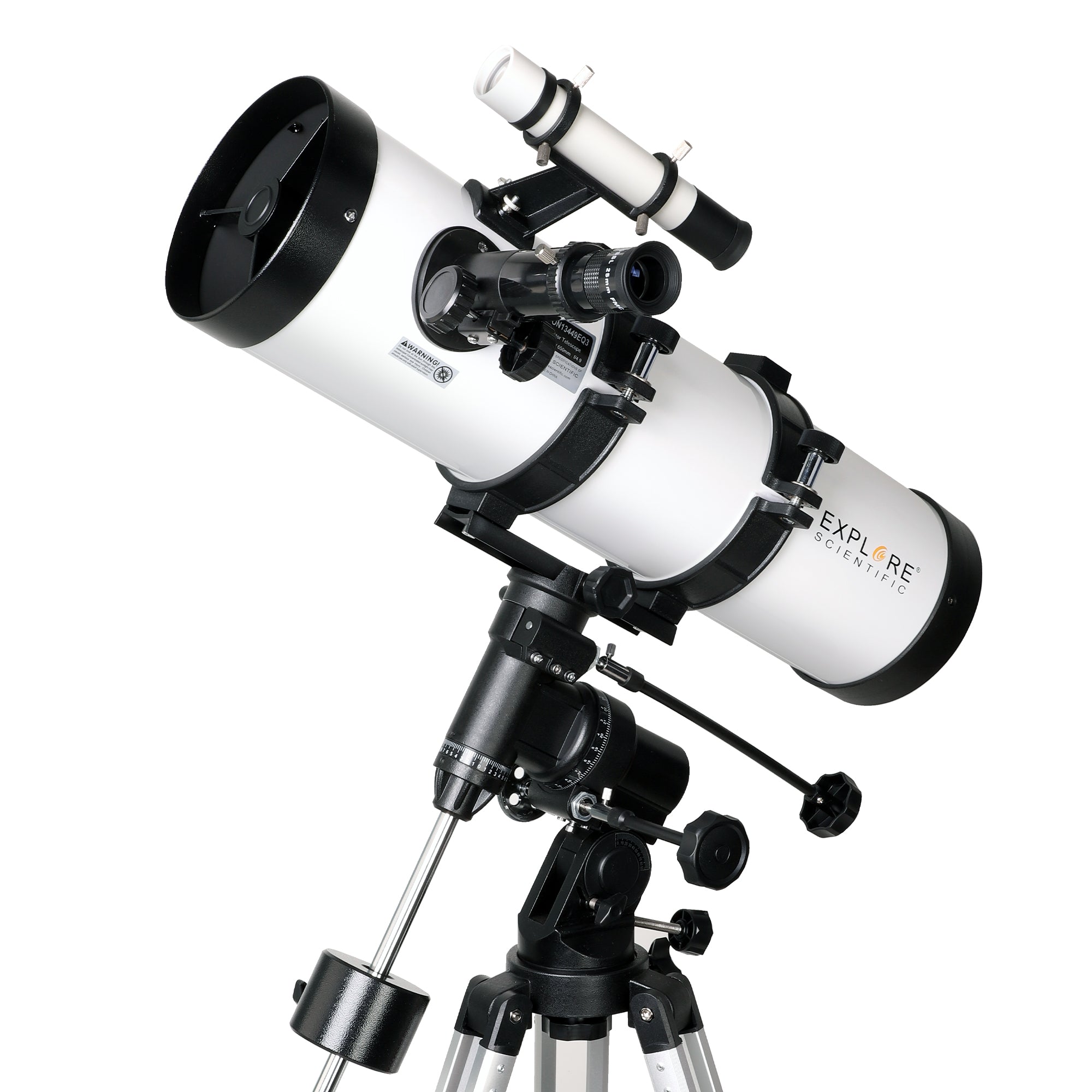
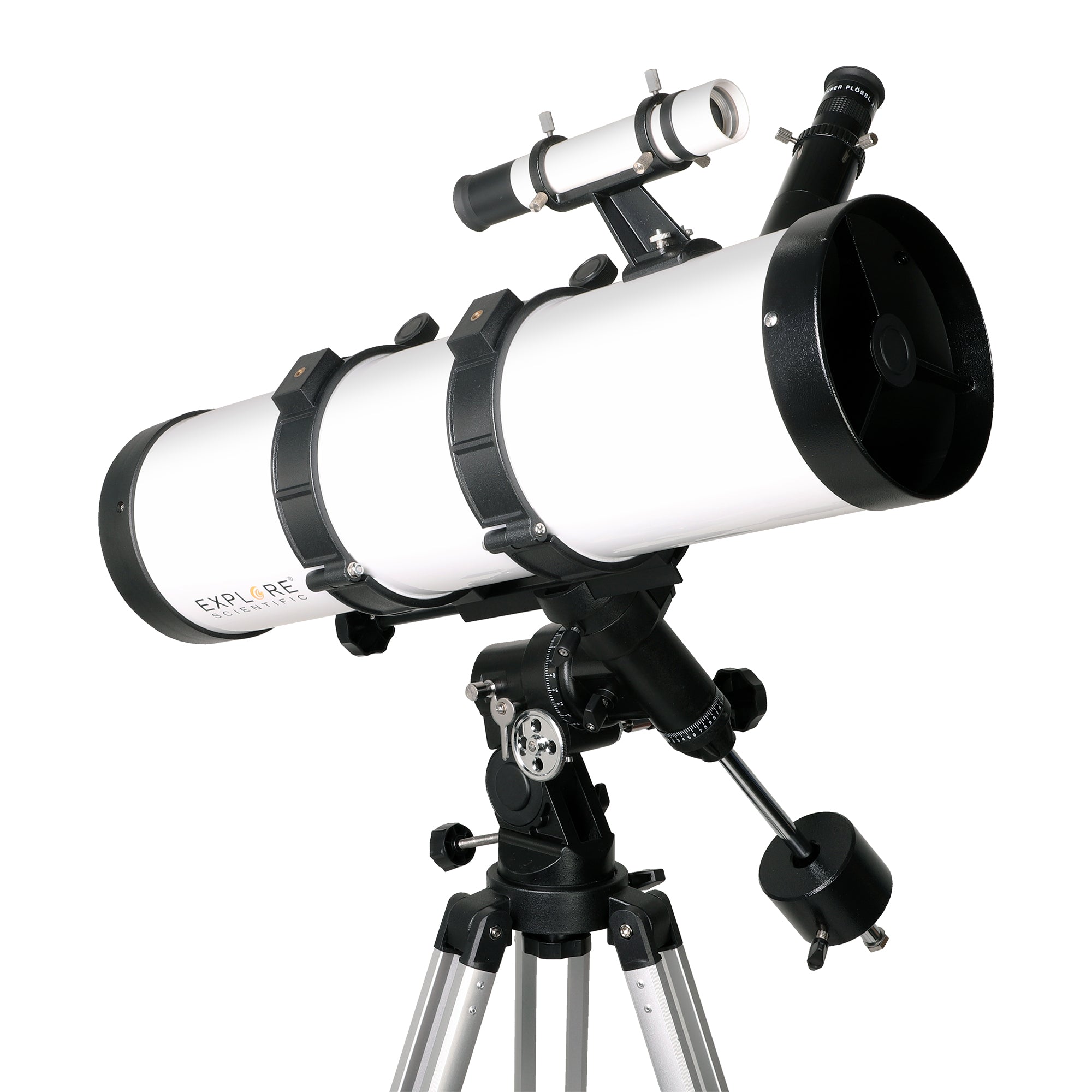
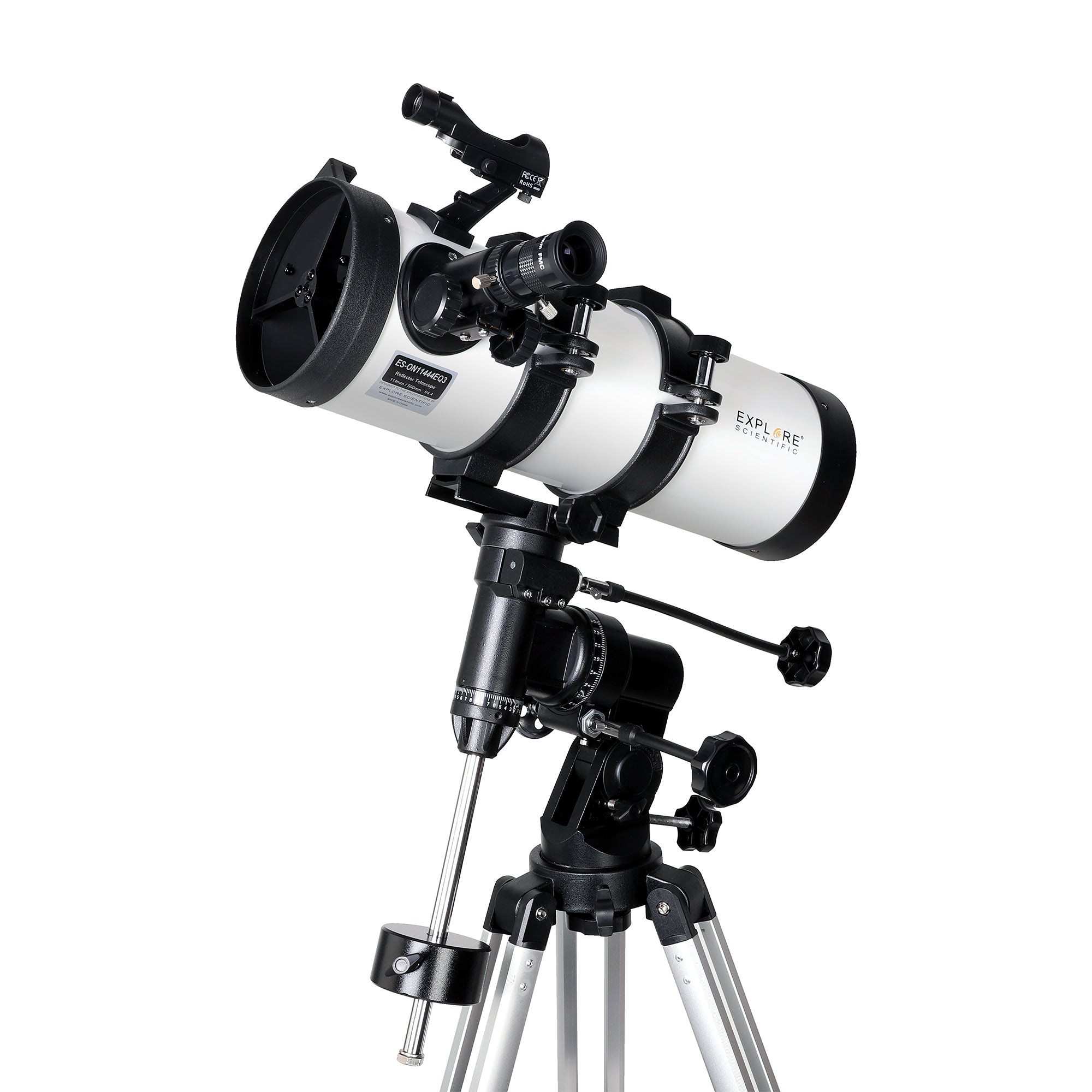
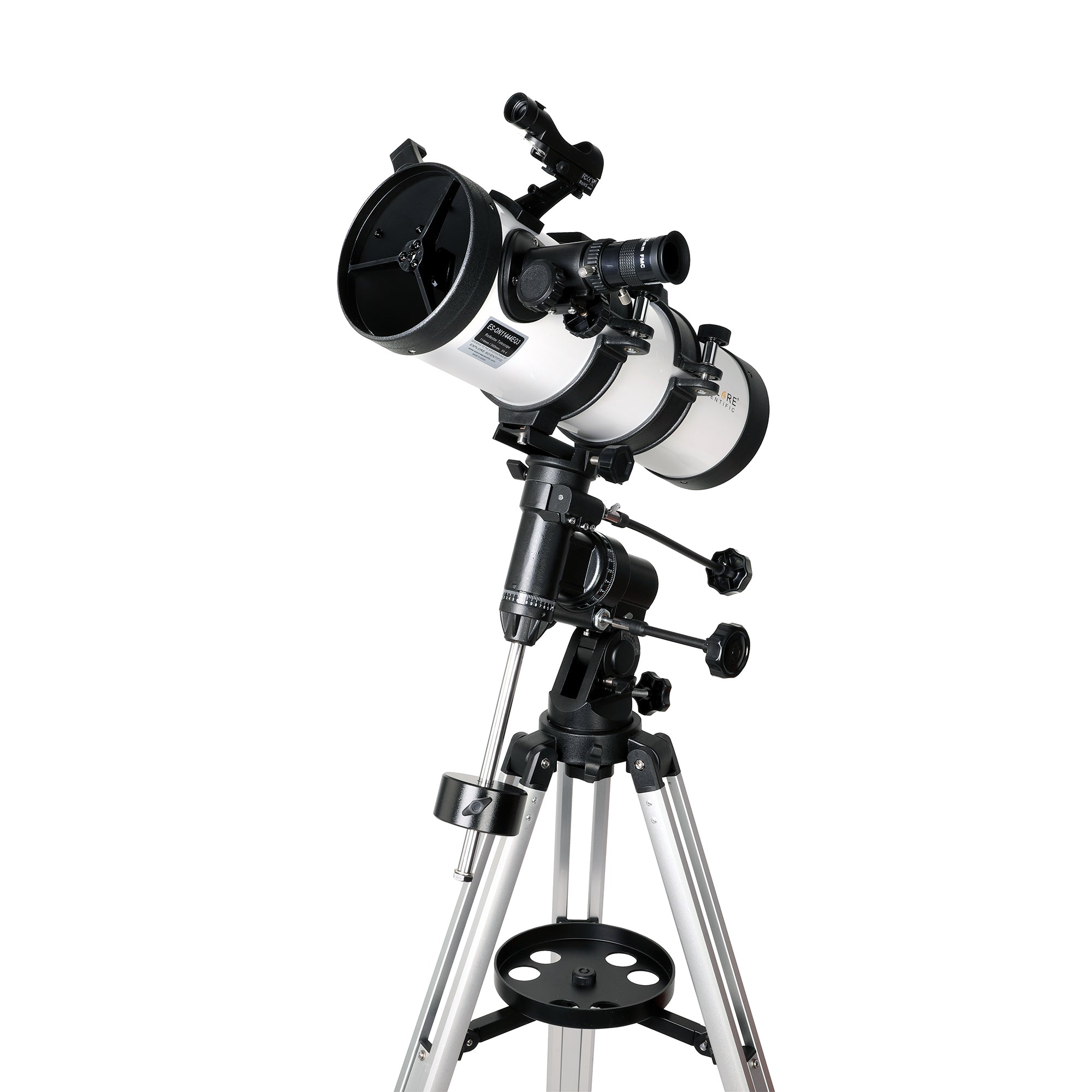
Newtonian reflector telescopes with equatorial mounts offer more precise tracking aligned with Earth’s rotation. This makes them excellent for extended planetary viewing sessions and for beginners interested in learning the fundamentals of celestial tracking. An equatorial mount allows smooth motion across the sky and can make high-magnification observing easier to manage.
Choosing between them comes down to your observing style: simplicity and aperture efficiency, or tracking precision and technical control.
These new telescopes from Explore Scientific are built with:
- Precision-aligned primary and secondary mirrors
- Durable telescope tubes and stable mounts
- Smooth altitude and azimuth motion (Dobsonian models)
- Equatorial tracking capability (Newtonian EQ models)
- High-quality focusers for accurate adjustments
From lunar craters and Saturn’s rings to faint Messier objects and distant galaxies, these telescopes are engineered to go the distance.
Whether you're:
- A beginner searching for your first serious telescope
- An intermediate astronomer upgrading to a larger aperture
- A deep-sky enthusiast chasing faint nebulae
- A backyard stargazer wanting brighter planetary views
This collection of new arrival telescopes provides powerful optics at competitive price points.
If you’ve been searching for:
- Best large aperture telescope under $800
- Affordable Dobsonian telescope
- 8-inch or 10-inch reflector telescope
- Newtonian telescope with equatorial mount
- Best telescope for viewing galaxies and nebulae
You’ll find the perfect option right here. Shop the latest arrivals from Explore Scientific and take your astronomy experience to the next level. Bigger aperture. Brighter views. Deeper space.
New Large Aperture Telescopes from Explore Scientific